- Where
- Egg Vorarlberg, Vorarlberg
- Directions
- Directions
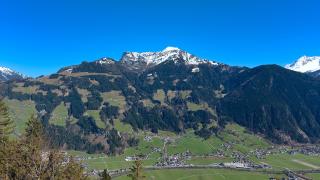
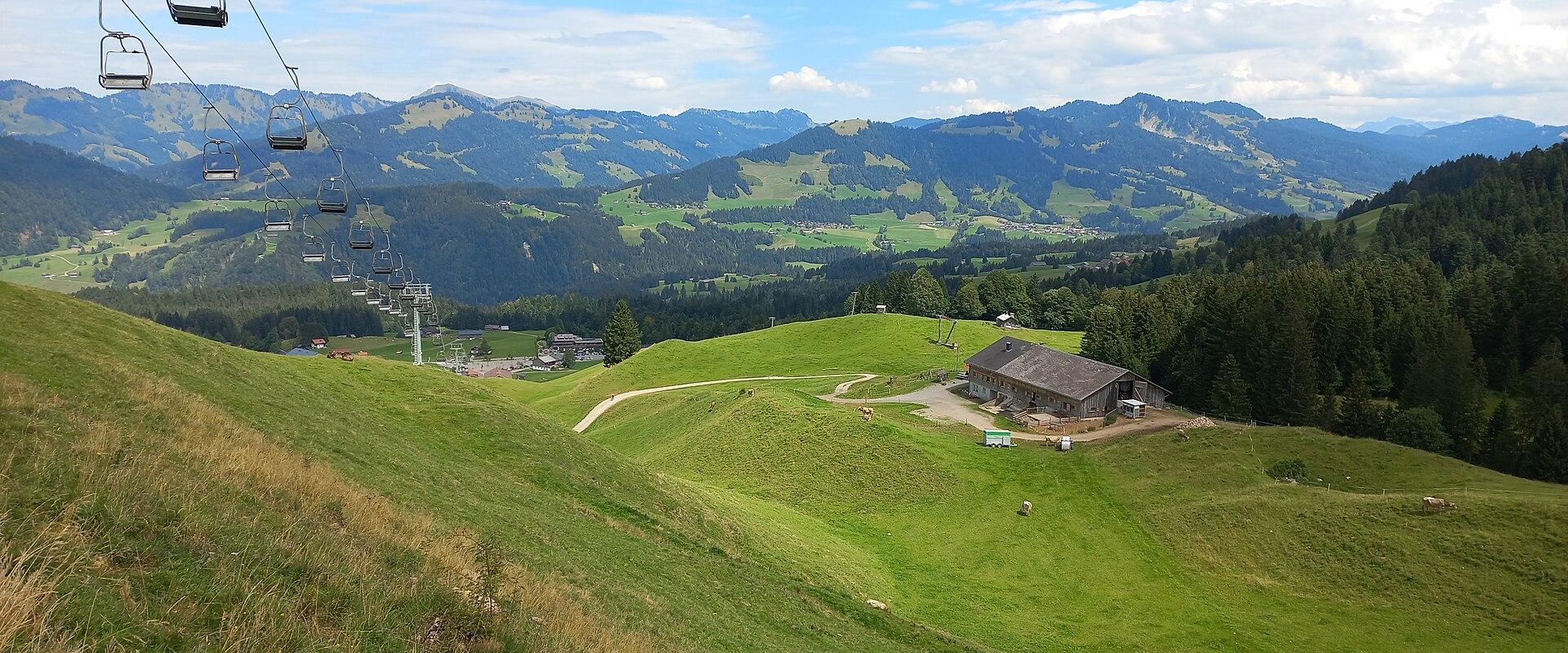
Egg is a village in the Bregenzerwald, the hill country of eastern Vorarlberg, and it is a good base for exploring one of the best-preserved farming traditions in the Alps. Egg lies inland in the valley of the Bregenzer Ach, well away from Lake Constance, and the custom of the Alpenjause, the alpine snack taken at the pastures, belongs to the farming life of the hills around it. The landscape is made of green hills, scattered farms and small woods, with the peaks of the Bregenz Forest mountains as a backdrop.
The farming year in the region follows a pattern known as three-stage farming. In winter, cattle stay in the valley near the main farm. In spring, the farmers move with the animals to a middle-level farm called a Vorsäß or Maisäß, where the grass is grazed in May and June. In high summer, they drive the herds to the high alpine pastures, the Alpen, where the animals graze on herb-rich grass until early autumn, and then return the same way. This system allows the use of all the grassland through the year and has shaped the look of the landscape, with its network of huts and meadows. In September, when the cows come down from the high pastures, many villages hold a festival, the Alpabtrieb, in which the animals are decorated with flowers and bells and led through the village.
The Alpenjause is the visitor's way into this world. Walkers set out on trails to alpine huts where the dairymen and their families serve a simple, hearty snack made from the produce of the pasture. A typical plate might include fresh and aged mountain cheese, butter, bread, cured meat, buttermilk and milk straight from the source, and some huts also offer warm dishes such as cheese noodles, called Käsknöpfle. Alpine cheese from the Bregenzerwald is among the best known regional products in Austria, and the Bregenzerwald cheese route links farms, dairies and restaurants where it is made and sold.
The hikes are generally of moderate difficulty, and many are suitable for families, with a stop at a hut as the goal. Some pastures can be reached by narrow roads, while others involve a walk of an hour or two. Huts are generally open from June to September, with opening times depending on the weather, so it is wise to check before setting out. Bring cash and good footwear.
The Alpenjause suits walkers, families and food lovers who want to see how alpine cheese is made and to eat in a setting that has not changed much for centuries.
Categories
More photos coming soon
Nearby Attractions
Other places to visit in Egg Vorarlberg
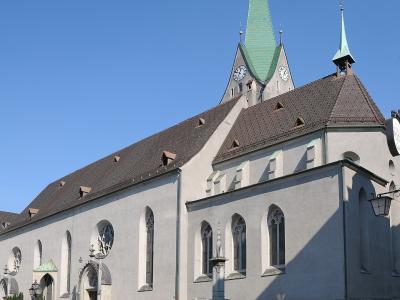
St. Nicholas Cathedral (St. Nikolaus)
15th-century Gothic parish church in Egg
Free Architectural Highlights · Religious Sites
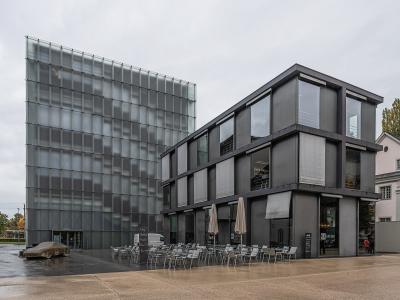
Bregenz Museum
Vorarlberg's oldest regional museum, established 1904
From €7 Historic Houses · Local History
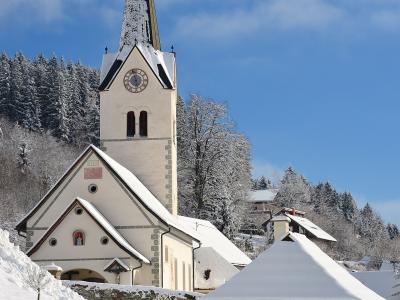
Pfarrkirche St. Martin
Neo-Gothic church in Egg, Vorarlberg
Architectural Highlights · Religious Sites
Questions people ask
Quick Facts
Best Time to Visit
Austria enjoys a Mediterranean climate with warm summers and mild winters, making it ideal for visiting year-round.