


The Alpine Club Hierarchy
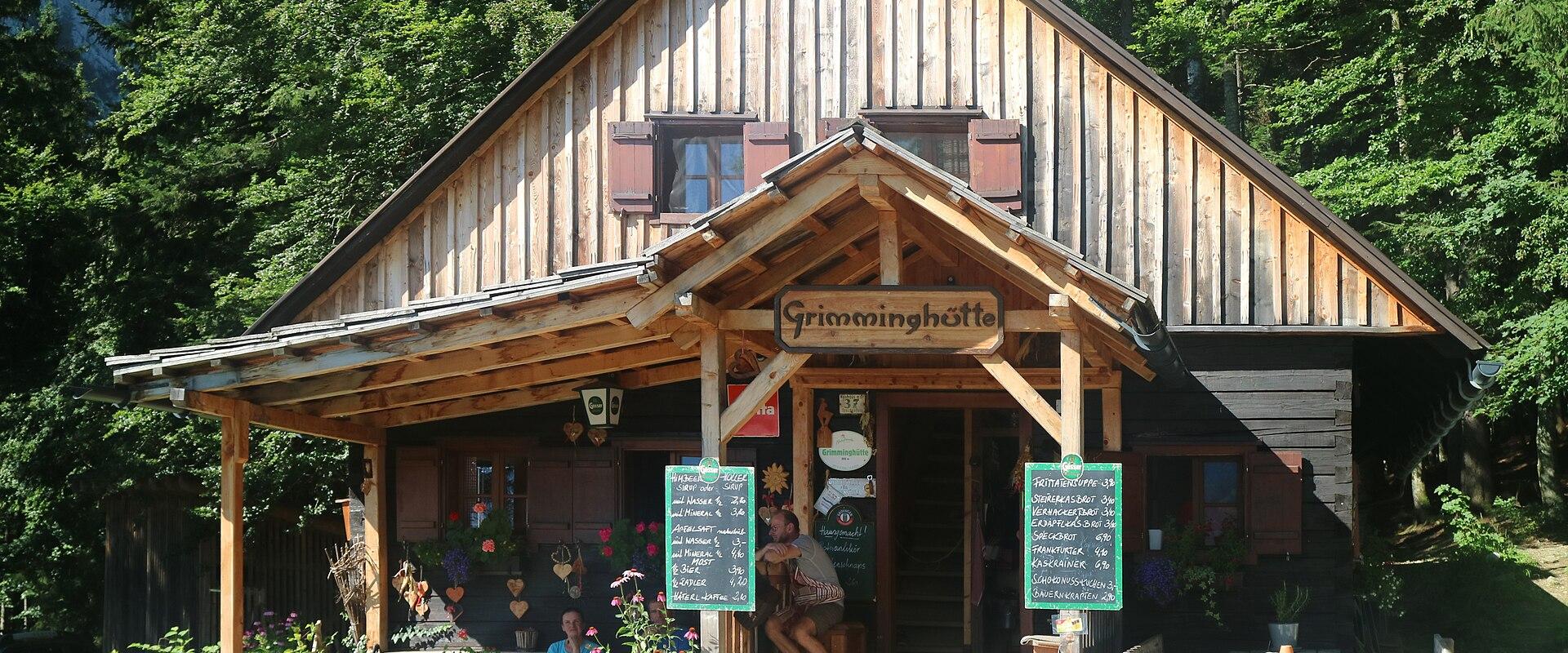
Austria’s alpine accommodation relies on three distinct hut tiers. The Austrian Alpine Club (ÖAV) manages most staffed huts. These offer full service, including meals and bedding. Guests must book weeks in advance during peak season. Prices range from €25 to €40 per night. Self-service huts provide basic facilities without staff. Cooks prepare meals in communal kitchens for a fee. Bedding is often unavailable, requiring personal sleeping bags. Basic shelters are unmanned and unheated. They offer only sleeping space on bunks. No food or water is provided. Hikers must carry all supplies. These shelters are often located at high altitudes. The ÖAV maintains over 1,000 huts nationwide. Membership provides significant discounts on all hut types. It also includes essential mountain rescue insurance. Preparation varies significantly by hut category. Staffed huts require reservations and cash. Self-service huts need cooking equipment and bags. Basic shelters demand full self-sufficiency and navigation skills. Understanding this hierarchy ensures a safe alpine experience.
Membership and Booking Protocols
ÖAV or BAC membership secures significant discounts. Members pay roughly half the standard rate. Priority booking opens weeks before public access. Non-members face limited availability during peak season. Most huts require advance reservations. Online booking via the ÖAV portal is standard. Phone bookings remain valid for remote locations. Walk-in guests risk sleeping on floors. Staffed huts accept credit cards and cash. Self-service huts often require exact cash only. Some automated machines accept only specific coins. Bedding packages cost extra at most locations. You must bring a sleeping bag liner. Emergency huts require no booking or payment. These basic shelters lack staff entirely. Always verify specific hut rules online. Austrian huts enforce strict quiet hours. Late arrivals may be denied entry. Membership fees pay for mountain rescue insurance. This coverage is essential for all hikers. Book early for summer weekends. Demand exceeds supply in popular regions. The ÖAV network spans the entire Alps. Local chapters manage smaller, family-run refuges. These may have different payment systems. Always carry a printed confirmation voucher. Digital tickets are not always accepted. Check cancellation policies before finalizing plans. Austrian huts rarely offer refunds last minute.
Amenities and Sleeping Arrangements
Austrian huts offer varied sleeping options. Staffed huts provide private rooms. These cost approximately €30 to €50 nightly. Dormitories remain the most common choice. Bunk beds fill large communal halls. Prices range from €15 to €25 per person. Basic shelters lack staff entirely. You must bring your own sleeping bag. Heating varies significantly by altitude. High-altitude huts maintain cold temperatures. Radiators provide limited warmth in common areas. Expect temperatures near freezing at night. Hygiene facilities differ by hut type. Staffed huts offer flush toilets. Showers are rare and often cost extra. Water availability is strictly managed. Tap water is safe to drink. Refill stations exist near kitchens. Dormitory bedding includes sheets and blankets. You must bring a pillowcase. Towels are not provided. Bring a microfiber towel for hygiene. Private rooms may include linens. Confirm details during booking. Altitude affects comfort levels. Thin air impacts sleep quality. Pack warm layers for all huts. Austrian huts prioritize function over luxury. Comfort depends on your preparation level.
Dining and Meal Options
Staffed huts serve hearty Austrian cuisine daily. Menus feature traditional dishes like Käsespätzle. These noodle dishes with cheese are staples. Dinner usually begins at 6:00 PM. Guests must reserve meals in advance. Prices range from €15 to €25 per meal. Breakfast is included in most overnight stays. It typically starts between 7:00 AM and 8:00 AM. Self-catering huts offer basic kitchen facilities. Cook your own meals using local ingredients. Pre-packaged meals are available for purchase. These include soups and sandwiches for lunch. Water taps provide safe drinking water. Refill bottles freely at designated stations. Communal dining fosters a strong social culture. Share tables with other hikers regularly. Silence is often observed during evening meals. Respect local customs and quiet hours. Cash is preferred for all transactions. Credit cards may not be accepted everywhere. Bring exact change for meal payments. Vegetarian options are increasingly available. However, meat dishes remain the primary focus. Always check specific hut menus online. Availability varies by season and location.
Safety and Emergency Preparedness
Mountain rescue insurance is mandatory for all hikers. ÖAV members receive this coverage automatically. Non-members must purchase separate policies. Costs range from €10 to €20 annually. This insurance covers helicopter evacuations. Helicopter rescue fees exceed €2,000 without coverage. Emergency numbers are standardized across Austria. Dial 112 for all emergencies. Alpine rescue teams respond quickly to distress calls. Most staffed huts carry basic first aid kits. Trained hut wardens provide initial medical assistance. However, serious injuries require professional evacuation. Weather changes rapidly in the Austrian Alps. Check daily forecasts before starting any trek. Carry a waterproof jacket and warm layers. Sturdy hiking boots prevent ankle injuries on rocky trails. A headlamp is essential for unexpected delays. Carry at least two liters of water per person. High-energy snacks sustain energy during steep ascents. Always inform someone of your planned route. Trail markers are clear but can be obscured by snow. Carry a physical map as backup. Digital signals fail in remote valleys. Stay on marked paths to avoid avalanches. Winter huts require ice axes and crampons. These tools are available for rent in base towns. Always check hut opening dates. Many huts close from November to May. Unstaffed huts offer no emergency support. Plan accordingly and carry full survival gear.