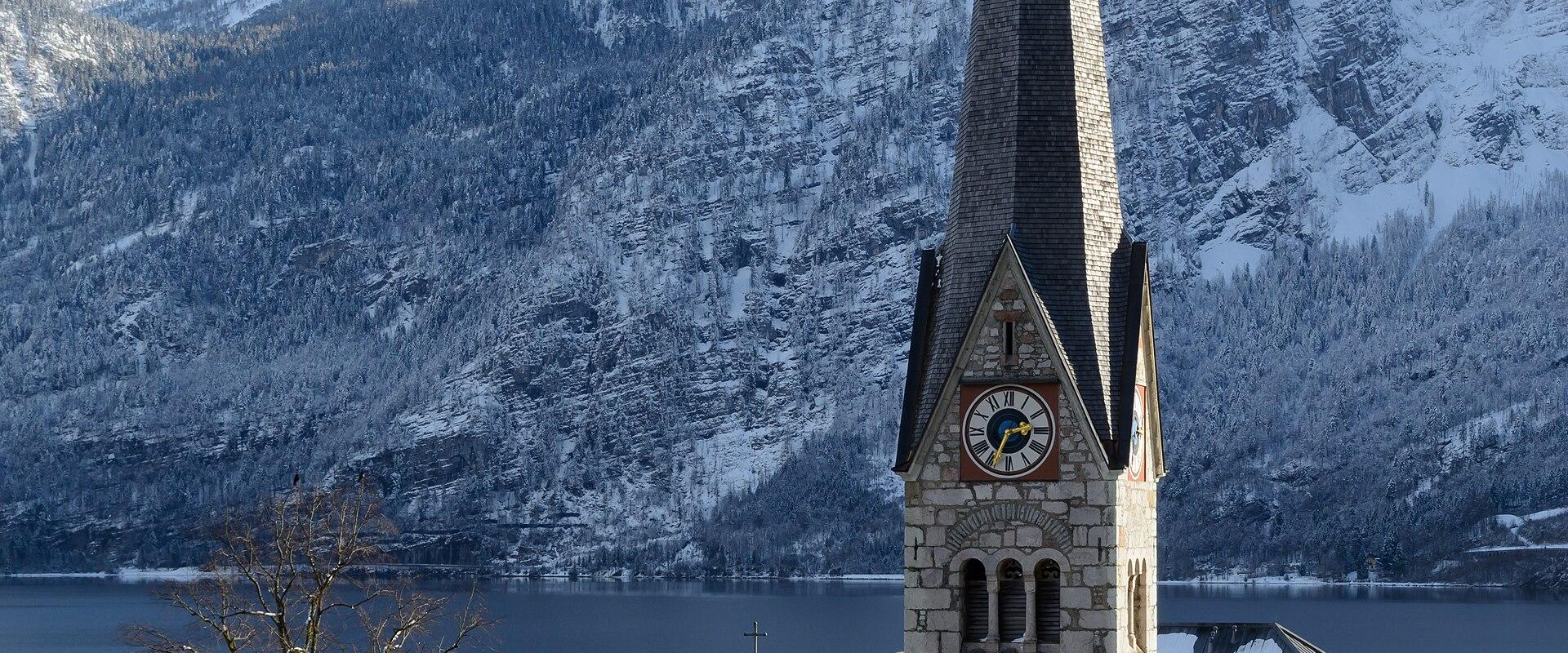
Hallstatt
UNESCO World Heritage village on Lake Hallstatt in the Alps
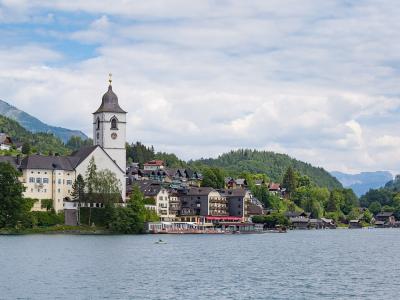
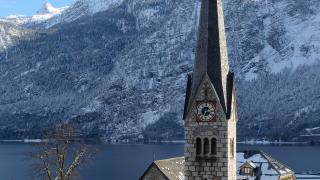
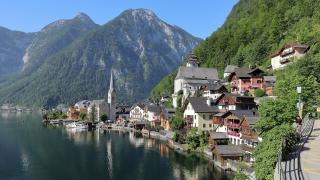
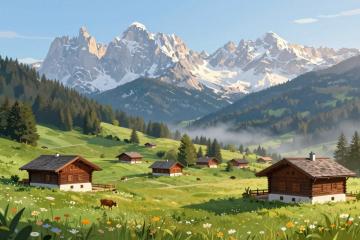
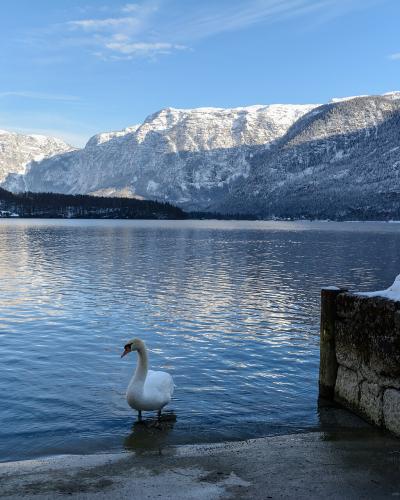
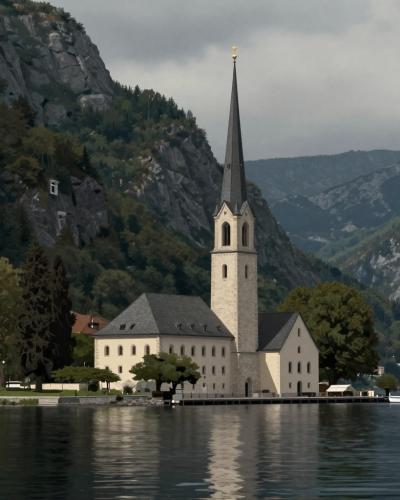
Hallstatt, located in the Gmunden district of Upper Austria, is a village that has become synonymous with Alpine beauty. Situated on the western shore of Lake Hallstatt, it is nestled between the lake and the towering Dachstein mountains. The village's history is deeply rooted in salt mining, which has been practiced here since at least the Bronze Age, making it one of the oldest salt mines in the world. This resource brought wealth and importance to the settlement, leading to the construction of the distinctive wooden houses and the iconic Protestant church with its tall spire that dominates the skyline. The village was declared a UNESCO World Heritage Site in 1997 due to its outstanding example of a traditional Alpine settlement and its long history of salt production.
The main attractions in Hallstatt reflect its historical and natural significance. The Hallstatt Salt Mine is a major draw, offering guided tours through ancient tunnels and a unique salt slide experience. The Mine Museum provides insights into the history of mining and the tools used over centuries. The Hallstatt Cemetery, perched on a steep slope above the village, is another notable site, known for its painted wooden crosses that date back to the 17th century. The Hallstatt Museum, located in the old schoolhouse, showcases artifacts from the prehistoric salt mining era, including the famous Hallstatt culture artifacts. The village itself is a maze of narrow streets, lined with colorful buildings, souvenir shops, and cafes. The Lake Hallstatt promenade offers stunning views of the water and the surrounding peaks, perfect for leisurely walks.
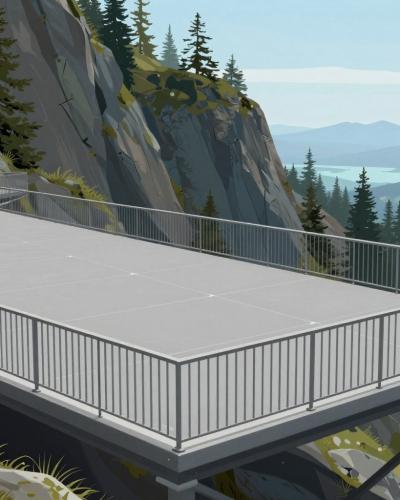
Activities in Hallstatt are diverse, catering to both relaxation and adventure. Boating on the lake is a popular activity, with boat tours available to nearby villages like Obertraun. Hiking is another key attraction, with numerous trails leading up the mountains, offering panoramic views of the lake and the Dachstein glacier. The Skywalk, a glass-bottomed viewing platform on the Dachstein mountain, is accessible via cable car and provides a thrilling experience. In winter, the area transforms into a ski destination, with slopes nearby for skiing and snowboarding. The village also hosts various cultural events and festivals throughout the year, celebrating its heritage and local traditions.
Getting to Hallstatt is primarily by road or boat, as there is no direct train station in the village. The nearest train stations are in Attnang-Puchheim or Ebensee, from where buses or taxis connect to Hallstatt. Many visitors arrive by boat from other towns on the Salzkammergut lakes, such as Gmunden or Bad Ischl, which offers a scenic approach. For those driving, the road to Hallstatt is narrow and winding, with limited parking, so public transportation or boat travel is often recommended. The village is accessible from Salzburg, Vienna, and Linz via car or public transport.
The best time to visit Hallstatt is from May to September for mild weather and outdoor activities, with May and September offering fewer crowds. July and August are peak months, with high temperatures and long days, perfect for hiking and lake activities. Spring and autumn provide pleasant conditions for sightseeing, while winter offers a snowy, romantic atmosphere, though some activities may be limited by weather.
Best Time to Visit
Visit from May to September for mild weather ideal for hiking and lake activities, avoiding peak summer crowds.
Did you know?
Interesting, verified facts about Hallstatt
The "Frozen" Village Disney Never Actually Confirmed
Film & TVHallstatt is world-famous as the supposed real-life model for Arendelle in Disney's Frozen (2013) -- yet Disney never confirmed it, and the filmmakers said Arendelle was based on research in Norway, citing places like Bergen and the Naeroyfjord. The rumor stuck anyway, helping push tourism in the village of roughly 800 residents to as many as 10,000 visitors on peak days -- about a million a year -- and prompting mayor Alexander Scheutz to declare that Hallstatt "is an important piece of cultural history, not a museum." A Korean TV drama and even a full-scale Chinese replica of the village had already primed the boom, but it remains one of travel's great ironies: a village made famous by a movie it may never have inspired.
Source: Travel TomorrowHallstatt Named an Iron Age Culture
HistoryHallstatt gave its name to the Hallstatt culture, an early Iron Age archaeological culture identified from finds in the area.
Source: Hallstatt cultureHallstatt Is Linked to Lake Landscapes
HistoryHallstatt is a small village in the Salzkammergut region of Upper Austria, situated on the shores of Lake Hallstatt and surrounded by the Dachstein mountains.
Source: Hallstatt - WikipediaPlan Your Visit to Hallstatt
Essential travel tips and information for your trip to Hallstatt.
Suggested Itineraries
Travel Tips
Currency
EUR • Cards widely accepted
Language
German • English in tourist areas
WiFi
Free WiFi in cafes and hotels
Explore Hallstatt by Interest
Discover attractions and experiences in Hallstatt organized by your interests and travel preferences.
All attractions in Hallstatt
Sorted by our recommendation score

Quick Facts
Book your stay
Frequently Asked Questions
More destinations in Upper Austria
Explore other amazing places in the Upper Austria region