Linz
Industrial capital of Upper Austria on the Danube River
Linz, the Capital of Upper Austria, stretches along both banks of the Danube River where the river leaves the narrow valley of the Mühlviertel and enters a broad basin. The old town sits on the south bank, with the castle on a rock above it, and the modern city, with its steelworks and harbour, spreads to the east and south. The Pöstlingberg rises to the north on the other bank. The name goes back to the Roman fort of Lentia, which guarded the frontier on the river, and Roman remains show that the site has been inhabited for two thousand years.
In the Middle Ages, Linz was a trading town on the Danube, and Emperor Frederick III made it his residence for a time. The city became the capital of Upper Austria and a centre of industry in the nineteenth century. Adolf Hitler, born in nearby Braunau, spent his school years in Linz and later declared it his favourite city, planning an enormous cultural centre for it; the Nazi industrial complex that was built in the 1930s, the Hermann Göring Works, later became the steelworks that shaped the post-war city. Linz addresses this history through exhibitions, memorials and the Mauthausen Memorial, the former concentration camp about 20 kilometres east of the city, which is a short journey and a sombre place of remembrance.
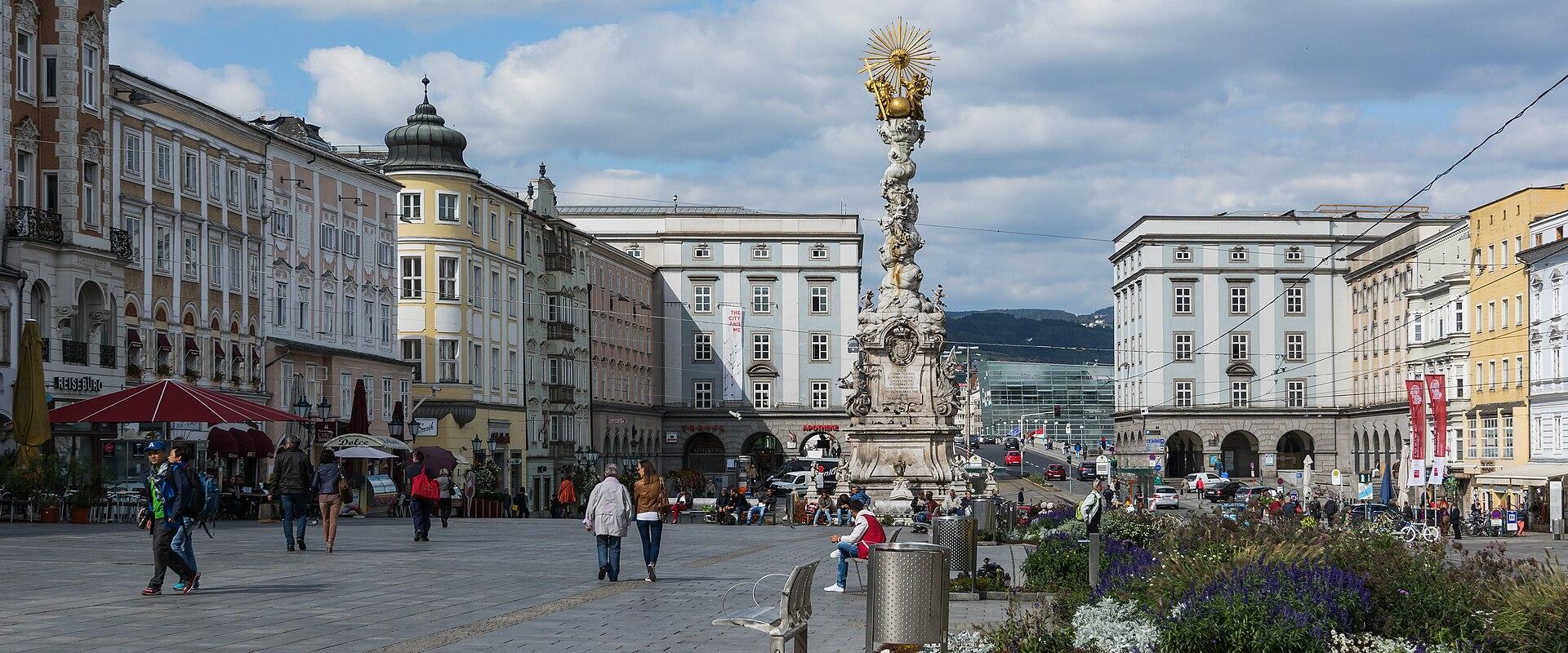
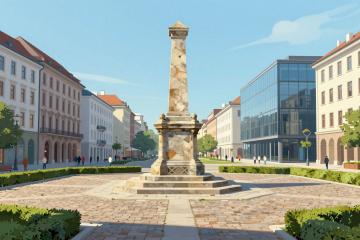
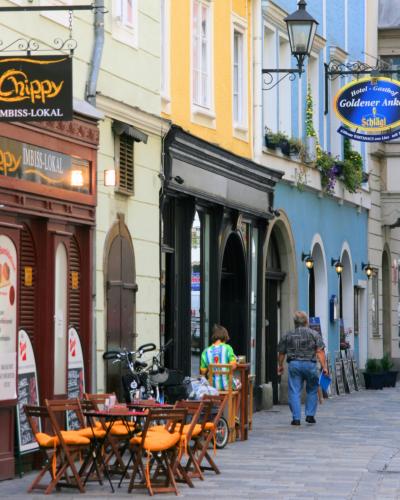
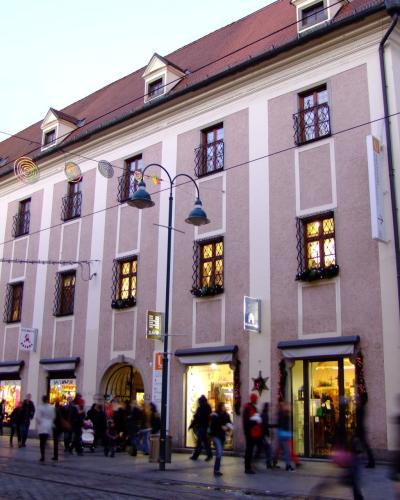
The Altstadt is the best place to start. The Hauptplatz, the Town Square, one of the largest in Austria, is lined with Baroque and Renaissance houses and has a Trinity Column at its centre. Narrow lanes lead to the castle, Linz Castle, which now houses the Upper Austrian State Museum, the Landesmuseum Oberösterreich, with collections on natural history, culture and the region. The shopping streets, the Landstraße and the Herrenstraße, are full of cafes and boutiques, and the parish church of St. Martin, with Roman origins, is one of the oldest churches in Austria.
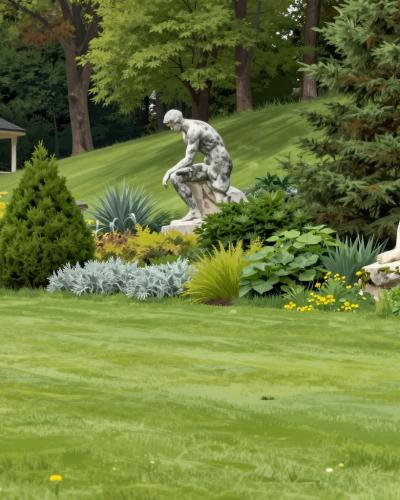
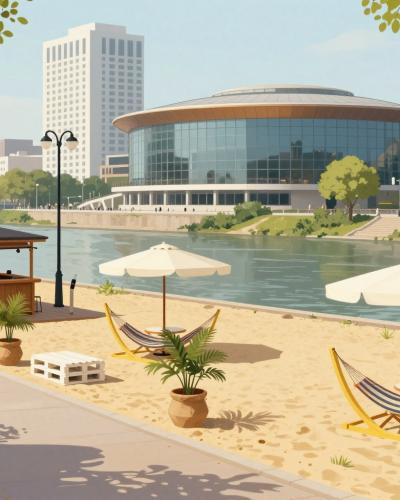
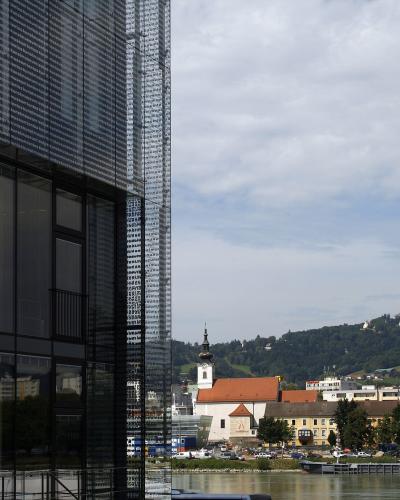
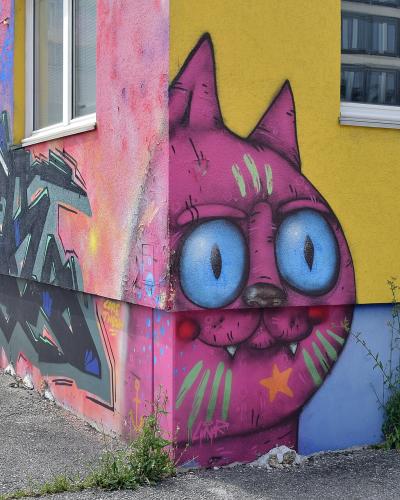
Modern Linz is best known for its media culture. The Ars Electronica Center, a glass building on the Danube, presents art, technology and society in interactive exhibitions, and the Ars Electronica Festival takes place every September, with the Golden Nica as its top award. The Lentos Kunstmuseum, across the river promenade, shows modern and contemporary art with works by Gustav Klimt and Egon Schiele. A Mural Harbor, a former industrial port decorated with large murals, and several parks along the river, among them the Donaupark, offer outdoor art. Beach bars along the embankment, including the Sandburg, are popular in summer.
The Mariendom, the Neuer Dom or New Cathedral, is a neo-Gothic building from the late nineteenth and early twentieth centuries, the largest church in Austria by capacity, with fine stained glass. The Pöstlingberg, a hill north of the city, is crowned by a twin-towered pilgrimage church, reached by the Pöstlingbergbahn, one of the steepest adhesion railways in the world, running since 1898. The ride and the view over the city and the Danube are among the best-loved experiences in Linz.
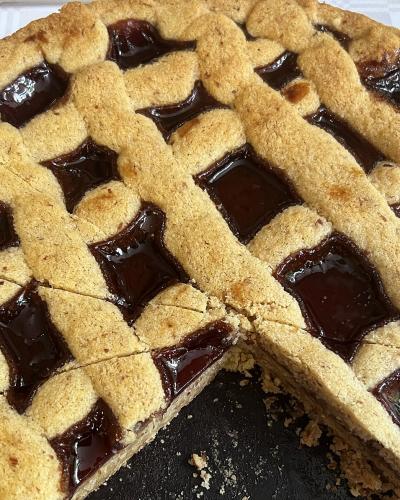
The Linzer Torte, a short pastry filled with redcurrant jam and covered with a lattice, is named for the city, and a recipe from 1653 is regarded as the oldest known for a cake. Cafes and bakeries sell it, and it makes a good souvenir. Other local food is hearty Upper Austrian cooking, with roast pork, dumplings and beer.
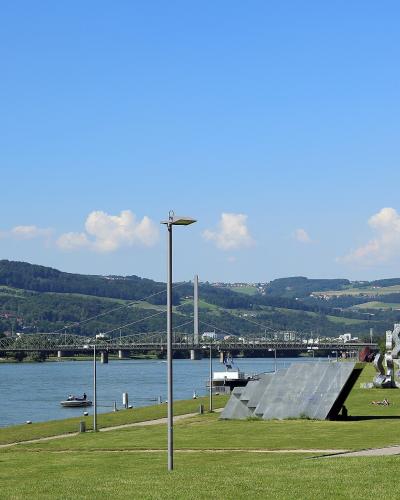
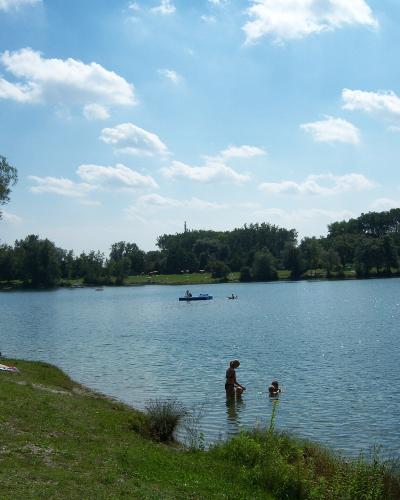
The Danube Cycle Path runs through the city, and the River bank is a favourite for walking and cycling. Further out, the Pleschinger See, a small lake near the city border, offers swimming. Festivals include the Ars Electronica Festival, the Linz Klangwolke, a night of music and light on the river, and a Christmas Market on the Hauptplatz in the Old Town in Advent. The Mauthausen Memorial is a place of Holocaust remembrance. The European Capital of Culture year of 2009 helped the city remake itself, and June brings long evenings by the river.
The best time to visit is from May to September, with the Ars Electronica Festival in September. The city is also attractive in December. Winters are cold and sometimes foggy.
Getting there is easy. Linz Hauptbahnhof is on the main western line, with fast trains from Vienna in about an hour and fifteen minutes and from Salzburg in around an hour and a quarter. Linz Airport, at Hörsching, lies about 15 kilometres south-west, and Munich is about two hours away by road. The A1 and A7 motorways meet at the city, and trams and buses serve the urban area.
Best Time to Visit
Visit from mid-June to early September for warm weather ideal for outdoor activities and riverside exploration.
Did you know?
Interesting, verified facts about Linz
A Robot Opened Linz's First Ars Electronica in 1979
HistoryWhen Linz launched its now-famous festival of art and technology on September 18, 1979, the opening speech was delivered not by a politician but by SPA 12, a robot flown in from the United States. That first edition also premiered the Klangwolke, the open-air "cloud of sound" concert on the Danube that remains a Linz tradition today. Ars Electronica has since grown into one of the world's leading media art festivals, held annually since 1986.
Source: Ars Electronica (official history page)Linz Is Shaped by a River
RecordLinz, the capital of Upper Austria and the country's third-largest city, is situated on the north bank of the Danube River.
Source: Linz - WikipediaPlan Your Visit to Linz
Essential travel tips and information for your trip to Linz.
Suggested Itineraries
Linz Weekend Getaway
2 days2-day Linz guide covering Old Cathedral and Lentos Art Museum
View ItineraryTravel Tips
Currency
EUR • Cards widely accepted
Language
German • English in tourist areas
WiFi
Free WiFi in cafes and hotels
Explore Linz by Interest
Discover attractions and experiences in Linz organized by your interests and travel preferences.

All attractions in Linz
Sorted by our recommendation score
Quick Facts
Book your stay
Frequently Asked Questions
More destinations in Upper Austria
Explore other amazing places in the Upper Austria region