



Defining Authentic Heuriger
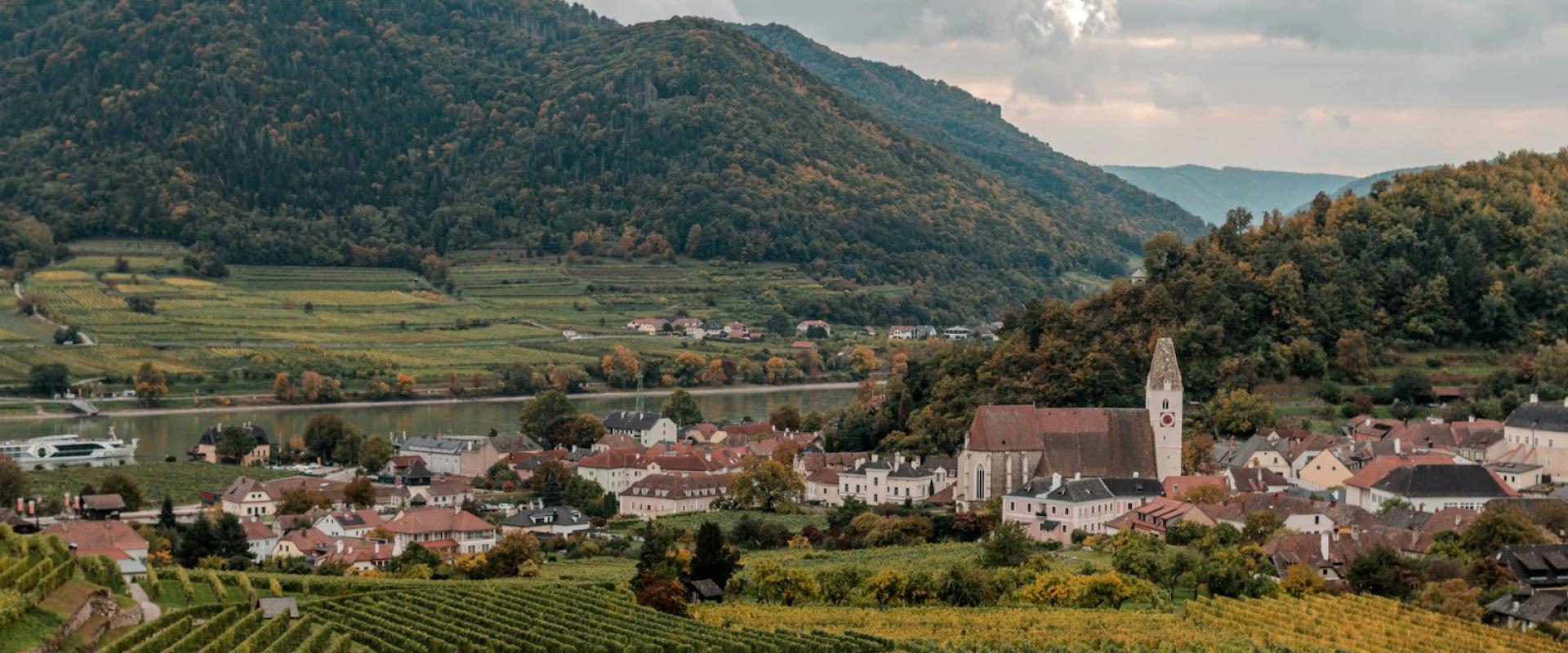
An authentic Heuriger is a traditional Austrian wine tavern. It serves only wine produced on the premises. This legal restriction defines its core identity. You will find these establishments primarily in Vienna. They also exist in Burgenland and Styria. Visual identification is straightforward and regulated. Look for a pine branch hanging outside. This sign is called "Ausg’steckt." It signals that fresh wine is available. The term "heurige" refers to the current vintage. This new wine is served until November 11. Venues range from simple garden sheds to elegant cellars. They offer a cozy, rustic atmosphere. Traditional culinary dishes accompany the local wines. Glass and table cultures are distinctively Austrian. UNESCO recognizes the Viennese Heurige tradition. It is part of intangible cultural heritage. Distinctions exist between Heuriger, Buschenschank, and Winzer. Heuriger specifically implies the right to serve own wine. Buschenschank may serve purchased wine. Winzer refers to the winegrower themselves. These terms define the legal and cultural landscape. Understanding them ensures an authentic experience. Visit during the harvest season for the freshest wine. Prices remain modest compared to city restaurants. Expect a relaxed, communal dining environment.
The official Heuriger season begins immediately after the grape harvest. This typically occurs in September or October. The traditional season concludes strictly on November 11, known as St. Martin’s Day. During this window, nearly all Heuriger operate daily. Many establishments close for the winter months. However, larger venues in Vienna and Burgenland often remain open year-round. Smaller, family-run taverns usually adhere to the traditional calendar. Always verify specific opening days before visiting. Weekend hours are generally longer than weekday schedules. Summer months see extended outdoor seating availability. Winter operations may be limited to indoor dining only. Some Heuriger in Wachau or Kamptal stay open later into spring. Check local signage for current status. The "Ausg’steckt" sign indicates active service. Pine branches outside signal fresh wine availability. Plan visits around the harvest calendar for the best experience. Avoid expecting full service during the deep winter off-season. Confirm if reservations are necessary for weekends. This ensures access to authentic Austrian wine culture.
Etiquette and Dining Customs
Guests typically self-seat at available tables. Communal seating is common during peak hours. You must order directly at the counter. Payment occurs immediately upon ordering, not after. This system streamlines service for high volume. The traditional snack is called a 'Jause.' It usually consists of bread and cheese. Many Heuriger allow you to bring your own food. This custom supports local producers and reduces costs. Tipping is standard practice in Austrian culture. Round up the bill or add ten percent. Service charges are rarely included in the total. Wine is served in specific local glassware. A 'Viertele' holds 0.25 liters in Vienna. A 'Seidla' contains 0.5 liters in Burgenland. Always check the glass size before drinking. These measurements ensure fair pricing for patrons. Respect the quiet, relaxed atmosphere of the garden. Loud behavior is generally frowned upon by locals. The pine bush outside signals fresh wine availability. This visual cue is vital for identification. Follow these norms to integrate smoothly into the tradition.
Regional Wine Varieties
Vienna specializes in Gemischter Satz, a field blend of white grapes. This UNESCO-recognized style defines the capital’s unique terroir. Grüner Veltliner remains the region’s dominant varietal. Burgenland focuses on sweet wines and Blaufränkisch. The Neusiedlersee’s humidity enables noble rot development. These wines often feature intense fruit profiles. Styria produces crisp, aromatic white wines. Sauvignon Blanc and Morillon thrive in its cool climate. Lower Austria dominates production with Grüner Veltliner. Riesling also flourishes in the Wachau valley. Travelers should request tasting flights at Heurigen. This method allows comparison across multiple varietals. Pair selections with traditional Jause platters. These boards include cheese, cold cuts, and pickles. The salty elements balance the wine’s acidity. Ask the host for vintage recommendations. Heurigen serve current vintages until St. Martin’s Day. This date marks the end of the season. Local vintners prioritize freshness over aging. Each region offers distinct glassware traditions. Vienna uses specific glasses for Gemischter Satz. Burgenland favors larger vessels for robust reds. Understanding these nuances enhances the tasting experience. Seek out vineyard-located establishments for authenticity. These venues often display pine bush signs. Such signs indicate on-site wine production. Always verify the Ausg’steckt sign before ordering. This ensures you consume genuine local wine.
Transport and Accessibility
Vienna offers robust public transit to Heurigen districts. U-Bahn lines reach Hietzing and Sievering. S-Bahn services connect central Vienna to Grinzing. Local buses serve remote vineyard villages efficiently. Fares cost approximately €2.40 per trip. Day passes provide unlimited access for €8.00. Rural regions like Burgenland and Styria lack frequent rail links. Renting a car is essential for these areas. Parking near Heurigen can be difficult on weekends. Arrive before noon to secure street spots. Many taverns sit on steep, cobblestone paths. Historic buildings often lack elevators or ramps. Access may be limited for mobility impairments. Check specific venue websites for barrier details. Walking is often the best option. Distances between taverns are short but hilly. Plan routes carefully to avoid steep climbs. Safe transportation planning is critical. Designate a driver or use taxis. Night buses operate in Vienna until 2:00 AM. Rural taxi services require advance booking. Never drive after consuming wine. Strict legal limits apply to blood alcohol content. Public transport reduces parking stress significantly. It allows full enjoyment of the wine. Consider purchasing a Vienna Card for savings. This includes transit and attraction discounts. Rural tours often require private vehicles. Book rentals early during harvest season. Prices rise significantly in October. Ensure your vehicle handles narrow village roads. Some paths are too narrow for large cars. Always verify opening hours before traveling. Many Heurigen close early on weekdays.