Graz
UNESCO World Heritage city with castle hill and modern art
Graz sits in a basin on the Mur River, with the Alpine foothills to the north and west and the vineyards of southern Styria opening to the south. The Schlossberg, a rock of about 470 metres in the middle of the old town, dominates the landscape, and the river, with a promenade on both banks, runs past its foot. Celtic and Roman settlements existed in the area, but the city truly flourished under the Habsburgs, particularly when Archduke Charles II made it his capital in the sixteenth century and Emperor Ferdinand II, who grew up here, ruled from it. Graz was a major Habsburg residence until 1619, and the legacy remains in its palaces and churches.
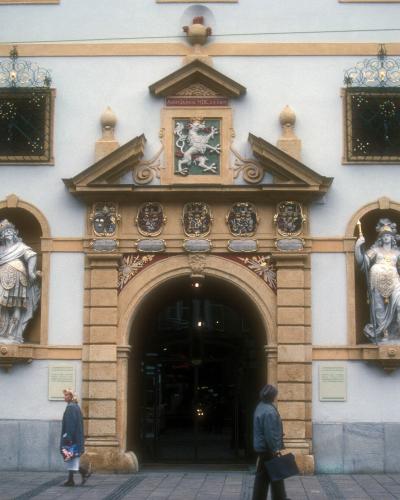
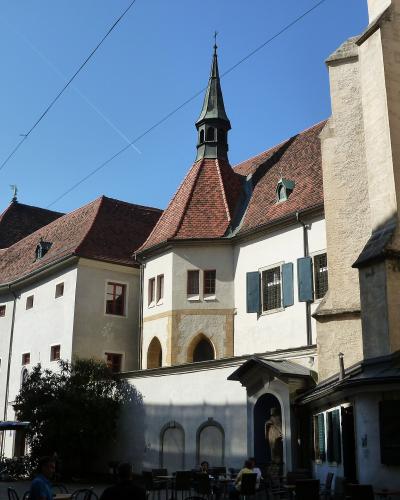
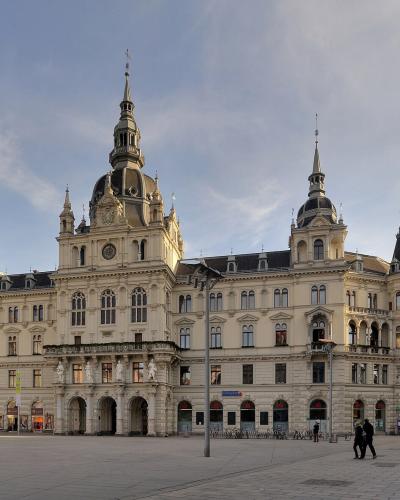
The Old Town, the Altstadt, was inscribed as UNESCO World Heritage in 1999, and the listing was extended to Eggenberg Palace in 2010. A walk through the compact centre takes you from the Hauptplatz, with the Rathaus, the Town Hall, and the Erzherzog-Johann fountain, through narrow lanes and arcaded courtyards to Franziskanerplatz and the Franciscan Church. The Landhaus, the seat of the Styrian estates, has a Renaissance courtyard with arcades that is among the finest in central Europe. Cafes and shops fill the ground floors, and the pedestrian zone invites slow walking.
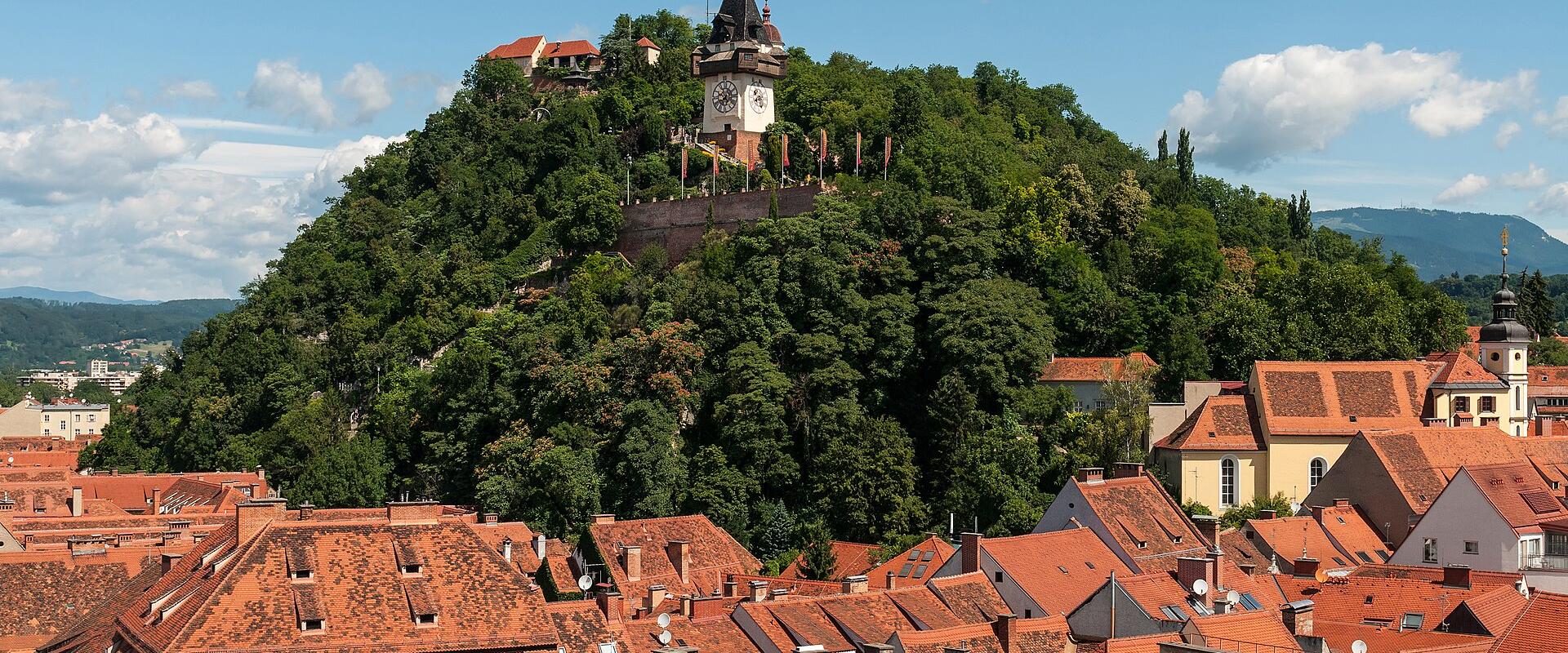
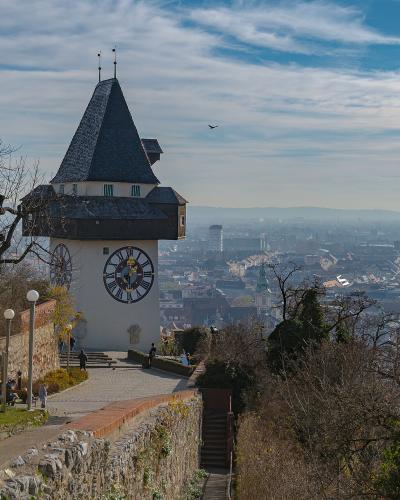
The Schlossberg can be climbed by stairs, a funicular or a glass lift cut into the rock. At the top stands the Uhrturm, the Clock Tower, the symbol of Graz, dating to the sixteenth century, with a larger minute hand and a smaller hour hand, which is the opposite of what visitors expect. The rest of the fortress was largely demolished by Napoleon's forces in 1809, and the ruins and park make a pleasant walk with views of the red roofs. The hill's bell, a large bell called the Liesl, should not be confused with the Pummerin, the famous bell of Vienna's cathedral.
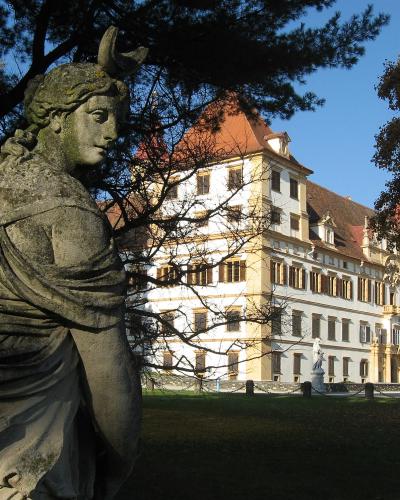
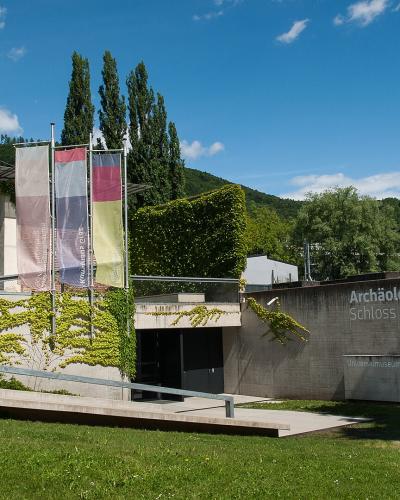
The Landeszeughaus, the Styrian Armoury, is the largest historic armoury in the world, with about 30,000 pieces of weaponry and armour from the seventeenth century displayed on four floors, part of the Universalmuseum Joanneum, which is Austria's oldest and largest Museum with a number of sites around the State of Styria. Eggenberg Palace, a few kilometres from the centre, is a Baroque palace whose 24 state rooms are laid out like a calendar and a cosmos, and it is set in a large Park with peacocks. Part of the palace can be visited only on guided tours, so check the schedule.
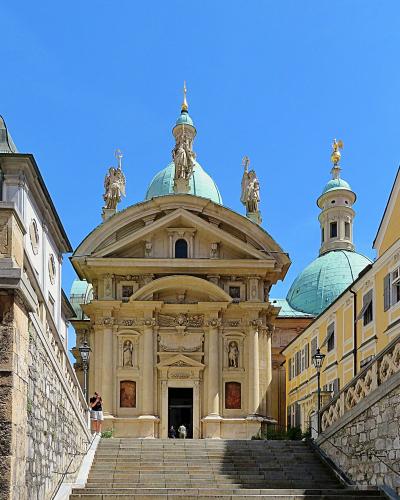
The Mausoleum of Emperor Ferdinand II, beside the cathedral, is a striking Mannerist building with a richly decorated interior, and the Gothic cathedral next to it has a famous painting of a plague, locusts and Turks from the fifteenth century. These sit alongside the University of Graz and the Technical University, which give the city a student population of more than 60,000.
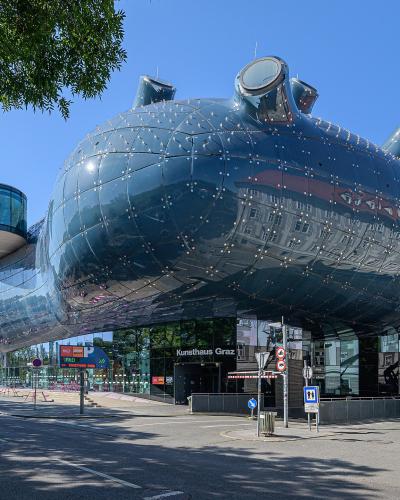
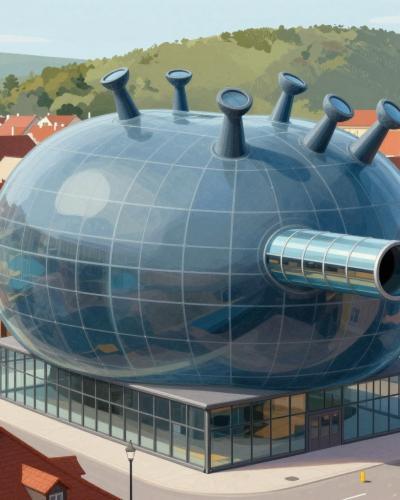
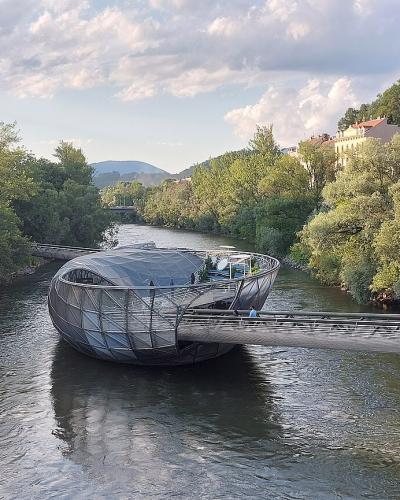
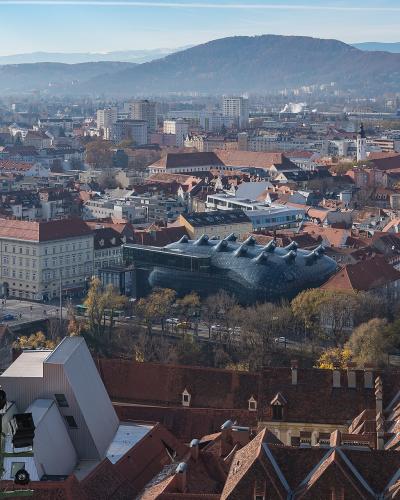
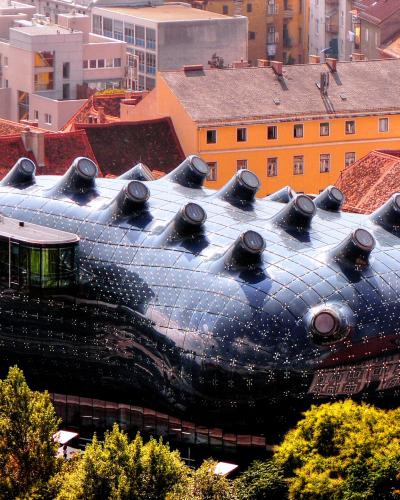
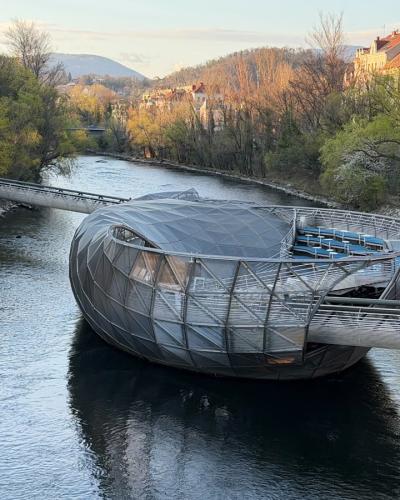
Modern Graz is equally strong. In 2003, the city was a European Capital of Culture, and two buildings of that year define its image: the Kunsthaus, designed by Peter Cook and Colin Fournier, an organic blue form nicknamed the Friendly Alien, which hosts contemporary art; and the Murinsel, a shell-shaped floating platform in the Mur designed by the American artist Vito Acconci, which holds a cafe and an amphitheatre. The contrast with the old centre is part of the city's character, and a promenade connects them.
Food matters in Graz. Styrian specialities include pumpkin seed oil, the dark green oil used on salads and desserts, Backhendl, fried chicken, Schilcher, a tart rosé wine from western Styria, and in autumn Sturm, new wine. Markets on Kaiser-Josef-Platz and along the Lendkai, with its Saturday stalls, sell produce, cheese and sausages. Cafes and restaurants range from traditional inns to modern kitchens. Festival programmes, including the long-standing Styriarte, add music, theatre and visual arts through the year, and the Advent Christmas Market is among the most popular in Austria.
The best time to visit is from May to September for outdoor life, with June and September especially pleasant. Summer can be hot, but the river and parks offer shade. Spring and autumn are mild, and winter is cold, with Advent the main reason to come.
Getting there is easy. Graz Hauptbahnhof has direct trains from Vienna in about two and a half hours, from Salzburg in around four hours and from Munich with a change. Graz Airport lies about 10 kilometres south of the centre with flights to Vienna, Frankfurt and other hubs, and by road, the A9 and A2 motorways meet at the city. Within town, trams and buses cover the area.
Best Time to Visit
Visit from mid-June to early September for warm weather ideal for outdoor activities and riverfront exploration.
Did you know?
Interesting, verified facts about Graz
Graz's Clock Tower Tells Time With Swapped Hands
HistoryOn the Uhrturm atop Graz's Schlossberg, the big hand shows the hours and the small hand the minutes -- the reverse of every ordinary clock. The tower originally had only large hour hands on its dials, which measure over five metres across, so citizens could read the time from afar; when minute hands were added later, they were made smaller. The surviving clockwork was built by Michael Sylvester Funck in 1712.
Source: Graz Tourism (official)Graz Has a Distinct Local Story
RecordGraz, the capital of the state of Styria, is Austria's second-largest city and a vibrant cultural hub located in the southeast of the country.
Source: GrazGraz Has UNESCO-Linked Heritage
RecordSituated on the Mur River, Graz is renowned for its well-preserved historic center, a UNESCO World Heritage site, which seamlessly blends medieval architecture with contemporary design.
Source: City of Graz - Historic Centre and Schloss EggenbergPlan Your Visit to Graz
Essential travel tips and information for your trip to Graz.
Suggested Itineraries
One Day in Graz
1 dayOne-day Graz itinerary covering historic old town and modern archit...
View ItineraryExtended Graz Experience
3 daysThree-day Graz itinerary covering culinary capital highlights
View ItineraryTravel Tips
Currency
EUR • Cards widely accepted
Language
German • English in tourist areas
WiFi
Free WiFi in cafes and hotels
Explore Graz by Interest
Discover attractions and experiences in Graz organized by your interests and travel preferences.
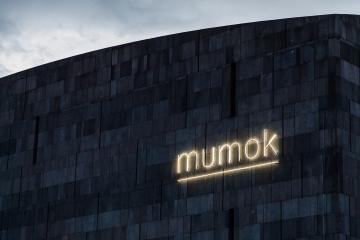
All attractions in Graz
Sorted by our recommendation score
Quick Facts
Book your stay
Frequently Asked Questions
More destinations in Styria
Explore other amazing places in the Styria region