




Venue Hierarchy and Access
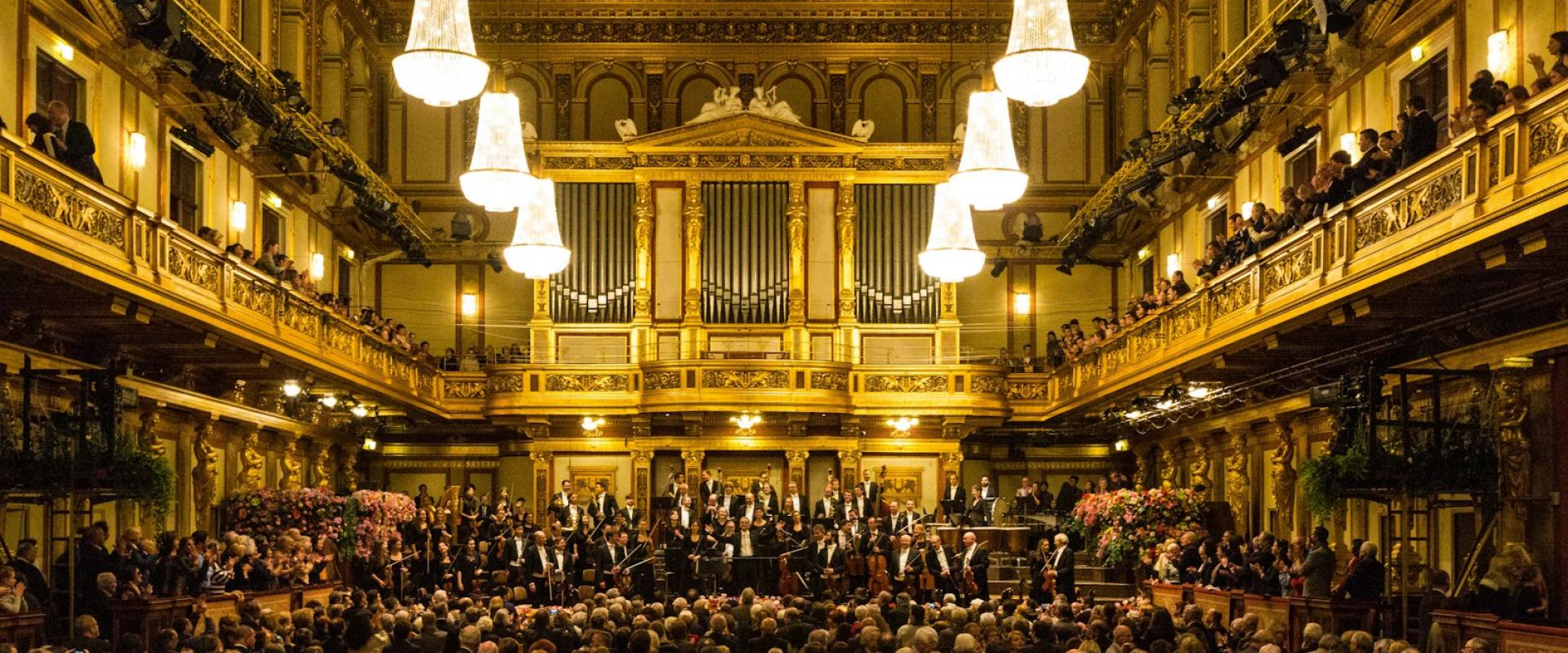
Vienna’s Musikverein demands advance planning for its Golden Hall concerts. Tickets often sell out months ahead for premier performances. The Vienna State Opera offers standing room (Stehplätze) for last-minute access. These tickets cost approximately €4.50 to €11.50 per performance. Patrons must queue early, typically two hours before curtain. This option provides an affordable entry to world-class opera. Salzburg’s Festival Hall operates under a distinct seasonal model. The Salzburg Festival runs strictly during July and August. Booking opens via a complex lottery system for general admission. Season ticket holders receive priority access to remaining inventory. Non-residents face significant challenges securing front-row seats without local connections. Vienna’s venues maintain year-round schedules, unlike Salzburg’s summer-only intensity. The Musikverein hosts over 250 concerts annually. The State Opera presents more than 300 performances each season. Salzburg’s Felsenreitschule seats only 700 guests per show. Scarcity drives high demand for these limited-capacity historic halls. Travelers should book Austrian tickets through official institutional websites. Third-party vendors often charge substantial service fees. Direct booking ensures authenticity and better seat selection. Understanding these logistical differences is crucial for a successful itinerary. Prioritize major venues for their acoustic superiority and historical significance. Smaller churches in Vienna offer free or low-cost organ recitals. These provide alternative access to the classical heritage. However, they lack the grandeur of the Musikverein. Plan travel dates around specific performance calendars. Salzburg’s festival dates are fixed annually. Vienna’s schedules vary slightly but remain consistent. Flexibility allows for better ticket acquisition strategies. Always verify venue locations before purchasing. Vienna’s venues cluster in the city center. Salzburg’s main halls are within walking distance of the old town. This proximity simplifies logistics for tourists. Efficient planning enhances the overall classical music experience in Austria.
Ticketing Systems and Pricing
Austrian venues utilize fixed pricing for most classical performances. The Vienna State Opera charges approximately €10 for standing tickets. Standard seats range from €30 to €150. The Musikverein maintains similar fixed rates for its Golden Hall concerts. Dynamic pricing rarely applies to traditional symphonic events. Residents can save significantly using the Vienna City Card. This card offers up to 50% off at select venues. It covers public transport and many cultural institutions. Non-residents must pay full price without such discounts. Payment methods vary by venue size. Major halls like the Konzerthaus accept all major credit cards. Smaller churches or private salons often prefer cash only. Always carry Euros for these intimate settings. Service fees are typically included in the listed price. Online booking platforms may add a small processing charge. Expect fees around €2 to €5 per ticket. The currency is exclusively the Euro throughout Austria. No foreign exchange adjustments apply to ticket costs. Booking windows open three months in advance for major halls. Last-minute tickets are scarce for premier orchestral works. Always verify if student or senior discounts apply. These reductions usually require valid identification upon entry. Prices remain stable regardless of seasonal tourism peaks.
Etiquette and Performance Norms
Strict silence rules apply inside Austrian concert halls. Audience members must silence mobile phones completely before entry. Ushers in Vienna’s Musikverein enforce these norms rigorously. Late entry is generally prohibited during performances. Patrons arriving after the start wait in designated holding areas. Entry is permitted only between movements or at intermission. This preserves the acoustic integrity of the historic halls. Applause conventions differ significantly from modern pop concerts. Do not applaud between movements of a symphony. Wait until the entire piece concludes before clapping. This practice respects the composer’s structural intent. Dress codes vary by venue prestige. The Vienna State Opera expects formal evening attire. Men typically wear tuxedos or dark suits. Women wear cocktail dresses or evening gowns. Casual smart attire suffices for smaller venues. The Konzerthaus Wien accepts business casual wear. Budget-friendly venues like the Musikverein’s smaller halls allow neat casual clothes. However, jeans are often discouraged in prestigious settings. Always check specific venue guidelines before attending. Respecting these norms ensures a respectful cultural experience. Proper etiquette enhances the appreciation of Austria’s musical legacy. Silence and punctuality demonstrate respect for performers. Adhering to applause rules shows deep musical understanding. Dressing appropriately honors the venue’s historical significance.
Transport and Accessibility Logistics
Vienna’s U-Bahn network provides efficient access to major classical music venues. Line U1 stops directly at Karlsplatz, serving the Musikverein and Konzerthaus. Line U2 serves the Vienna State Opera via Karlsplatz and Volkstheater. Trains run frequently, with intervals of two to three minutes during peak hours. This frequency ensures reliable transport for evening performances starting at 7:30 PM. Traffic congestion significantly impacts road transport in central Vienna during rush hours. Taxis and ride-sharing services may face delays near the Ringstraße district. Plan extra travel time if using private vehicles or ground transport. Wheelchair accessibility varies by historic venue due to architectural preservation constraints. The Vienna State Opera offers dedicated elevator access and reserved seating areas. Advance reservation is mandatory for accessible seats at the Musikverein. Contact the venue directly to arrange specific assistance upon arrival. Night transport remains robust, with U-Bahns operating until approximately 1:30 AM on weekends. Night buses (N-Lines) supplement the metro network, connecting peripheral areas to the city center. These routes ensure safe return travel after late classical concerts. Always verify specific line schedules on the Wiener Linien website before travel. Local transport cards provide cost-effective options for multiple daily journeys.
Seasonal Schedules and Planning
Vienna’s primary concert season runs from September through June. Major venues like the Musikverein and State Opera operate on this strict schedule. The summer months, July and August, constitute a significant lull. Many traditional halls close or reduce programming during this period. Travelers seeking standard classical performances should avoid the peak summer holidays. Conversely, the Salzburg Festival dominates the July and August calendar. This exclusive event transforms the city into a global hub for opera and concerts. Tickets for Salzburg require booking many months in advance. Graz offers a different seasonal rhythm with its summer music festivals. These events typically occur between June and September, filling the Vienna gap. Holiday programming provides unique opportunities in December. The Vienna Philharmonic’s New Year’s Concert is a globally televised event. Tickets for this specific performance are extremely difficult to obtain. Other holiday concerts feature traditional carols and seasonal repertoire. Planning around these distinct seasonal peaks ensures optimal access. Book tickets for the September-June season at least three months ahead. For Salzburg Festival exclusivity, secure reservations six to twelve months prior. Graz summer festivals offer more flexible booking windows. Holiday special programming requires early attention due to high demand. Understanding these timelines prevents missed opportunities for heritage experiences.