Bad Gastein
Alpine spa town with thermal baths and Gastein Waterfall
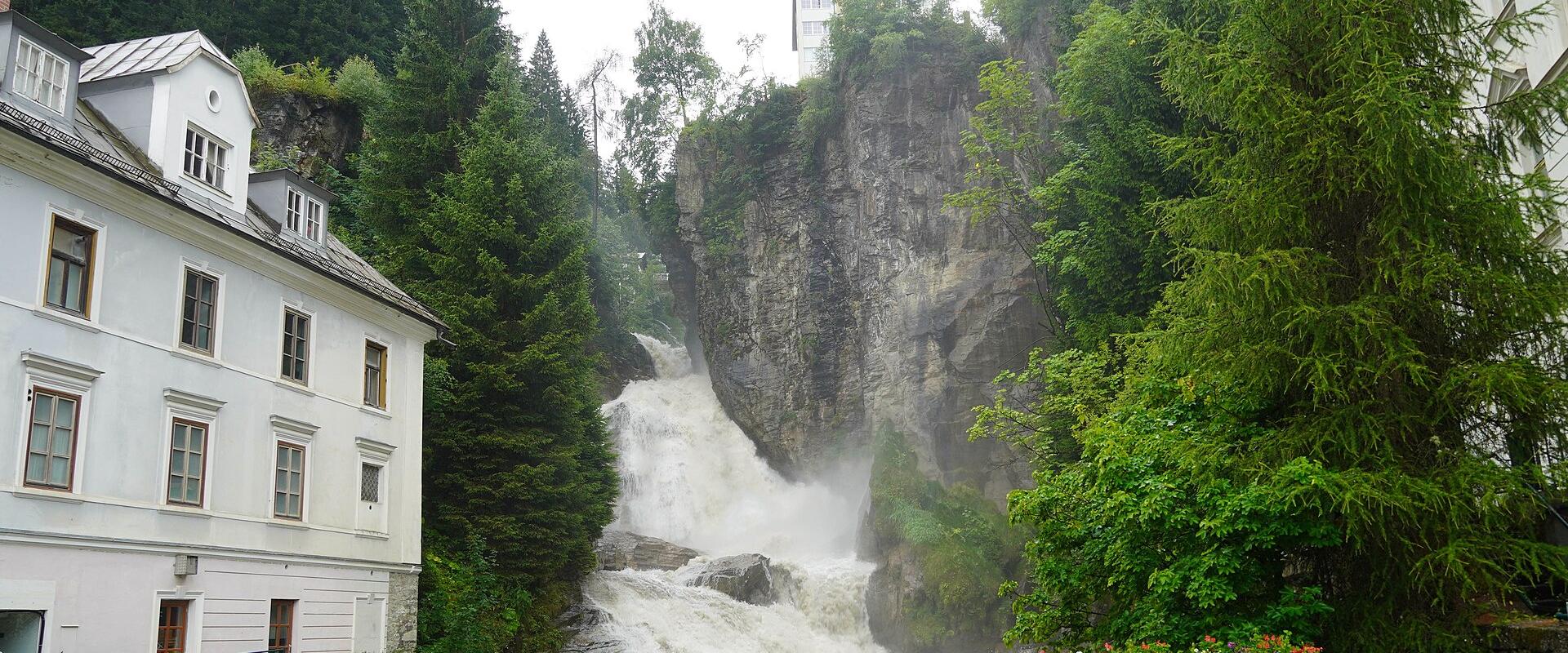
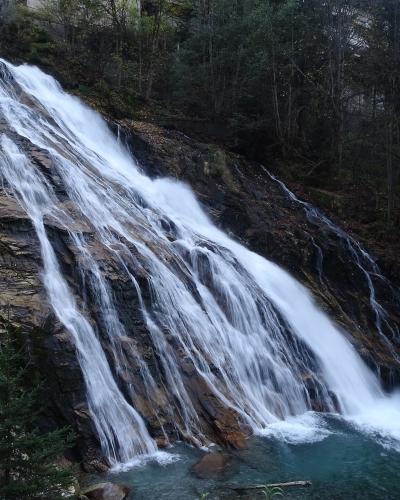
Bad Gastein lies in the upper Gasteinertal, in the Pongau region of Salzburg, on a steep slope above the Gasteiner Ache. What makes the town unusual is that its buildings seem stacked on the cliff, with the Gastein Waterfall running down through the centre. The waterfall falls in three stages for a total of about 340 metres, and its spray and noise are part of the town's atmosphere. A short walk from the main street leads to a viewing area, and a path follows the water for some distance.
The valley's earliest fame came from gold and silver. Mining in the Gastein and Rauris valleys brought wealth to the archbishops of Salzburg in the Middle Ages, and the hot springs were known and used by local people. In the nineteenth century, the springs' rich radon content, along with their temperature of around 40 degrees, led to a boom in spa tourism. The thermal waters were believed to treat rheumatism and other ailments, and Habsburg emperors, European aristocrats and artists visited. The name 'Bad' in the place name simply means spa, and similar towns elsewhere carry the same prefix.
The architecture is the legacy of that period. Large hotels in Belle Époque and Art Nouveau styles line the slope, with grand staircases, glass halls and turrets, and many of them stand beside the waterfall. Some have been renovated, and others remain empty, which gives the town its slightly melancholy, cinematic feel. A walk through the centre, from the casino building to the railway station, is rewarding for those who like old architecture. The Pfarrkirche Bad Gastein, a Baroque church, adds a note of tradition.
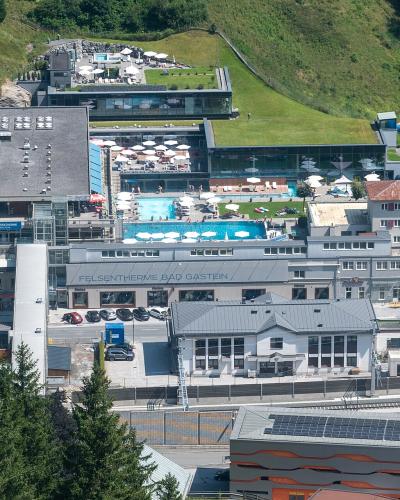
The thermal tradition continues in several places. The Felsentherme Bad Gastein, built into the rock beside the railway station in 1968 and since modernised, offers pools, saunas and treatment areas fed by thermal water. The Gasteiner Heilstollen in nearby Böckstein, an old mine where warm, radon-rich air is used for therapy, is another unusual attraction, though visitors should read about the treatment and ask a doctor before taking part.
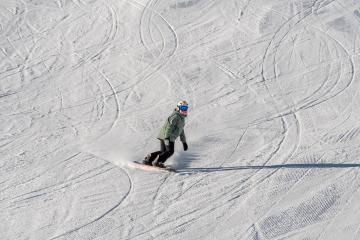
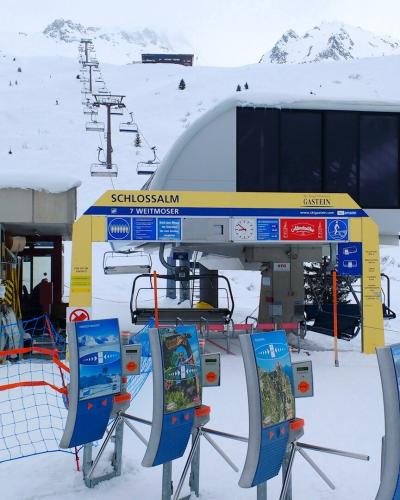
For mountain views, the Stubnerkogel Cable Car runs from the edge of town to a summit, where there are trails, a restaurant and a suspension bridge that gives views over the valley. In winter, the Stubnerkogel is part of the Ski Area that links Bad Gastein with Bad Hofgastein, and the Sportgastein Ski Resort, a high-lying area further up the valley, offers snow-sure slopes into spring. The Gastein region is part of the Ski Amadé network, and runs suit beginners and experts.
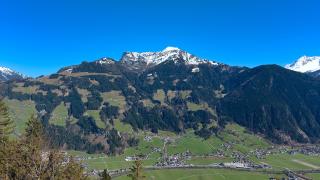
In summer, the area around Bad Gastein is a hiking and cycling destination. Trails lead into the Hohe Tauern National Park, with waterfalls, alpine lakes and high meadows, and mountain bike routes cross the valley. The Gastein Valley is also used for climbing, and via ferrata routes provide a challenge. Cultural events, including concerts and festivals, run in the summer months. Other places in the valley, such as Bad Hofgastein, Dorfgastein and Böckstein, are quieter and offer further walking options.
Food is Salzburg and Pongau cooking. Expect Kasnocken, roast meats and hearty soups, plus sweet dishes such as Kaiserschmarrn and Salzburger Nockerl. Cafes along the main street offer cakes and coffee in historic surroundings.
For timing, winter from December to March is ideal for skiing and for spa visits in cold weather, and summer from June to September suits hiking. May and October are quiet, with some businesses closed. September and October bring clear light and autumn colour.
Getting to Bad Gastein is easy by train. The railway station is in the town centre, with direct trains from Salzburg in about an hour and a half and from Vienna in roughly four hours, using the Tauern railway through the Tauern tunnel. By car, the A10 Tauern Autobahn passes the Gastein exit near Bad Hofgastein, and the road to Bad Gastein continues up the valley. Germany is not far, and Munich is about two and a half hours away. Local buses connect Bad Gastein with Bad Hofgastein and Dorfgastein.
Best Time to Visit
Visit from December to March for skiing and spa treatments, or June to September for hiking and outdoor activities.
Did you know?
Interesting, verified facts about Bad Gastein
Bad Gastein Has a Distinct Local Story
HistoryBad Gastein is a historic spa town located in the Gastein Valley in the state of Salzburg, Austria.
Source: Bad Gastein - WikipediaBad Gastein Has Another Verifiable Detail
HistoryThe atmosphere is a blend of traditional Alpine charm and modern wellness, with grand 19th-century hotels lining the main street.
Source: Thermenhotel Krone - Bad GasteinPlan Your Visit to Bad Gastein
Essential travel tips and information for your trip to Bad Gastein.
Suggested Itineraries
Discovering Bad Gastein
1 dayOne day exploring Bad Gastein's thermal springs and alpine scenery
View ItineraryTravel Tips
Currency
EUR • Cards widely accepted
Language
German • English in tourist areas
WiFi
Free WiFi in cafes and hotels
Explore Bad Gastein by Interest
Discover attractions and experiences in Bad Gastein organized by your interests and travel preferences.
All attractions in Bad Gastein
Sorted by our recommendation score
Quick Facts
Book your stay
Frequently Asked Questions
More destinations in Salzburg
Explore other amazing places in the Salzburg region