Strategic Transit Hubs
Salzburg Hauptbahnhof serves as the primary departure point for regional excursions. Located centrally, it connects travelers to major Austrian destinations efficiently. ÖBB regional trains depart frequently for nearby towns like Hallein and St. Gilgen. These services run every thirty minutes during peak hours. High-speed Railjet options connect Salzburg to Vienna in approximately four hours. Tickets for regional day trips cost roughly €10 to €20 one-way. The Salzburg Card includes unlimited local transport and some regional bus routes. For rail-inaccessible areas, postbus services operate from the station’s adjacent terminal. Buses reach mountainous regions like the Dachstein area or Berchtesgaden in Germany. Schedules vary seasonally, so checking the ÖBB app is essential. Trains to Munich take about two hours and thirty minutes. Fares for international connections start around €20 with advance booking. Local transit tickets integrate seamlessly with regional rail passes. The station offers luggage storage for day trippers needing hands-free travel. Platforms are clearly marked with digital departure boards in German and English. Accessibility features include elevators and wide gates for all passengers. Frequent connections ensure minimal waiting time for most popular destinations.
Salzkammergut Lake Circuit
The Salzkammergut region is a UNESCO World Heritage site. It offers stunning alpine lakes and historic towns. Trains depart frequently from Salzburg Hauptbahnhof. The journey to Bad Ischl takes approximately 45 minutes. Bad Ischl was the summer residence of Emperor Franz Joseph. From there, regional trains connect to Gmunden. The trip to Gmunden lasts about 15 minutes. Gmunden features a charming lakeside promenade and castle. Hallstatt is the most popular destination in the region. However, it faces severe overcrowding issues daily. Visitors should arrive before 9 AM or after 4 PM. Alternatively, take the scenic boat across the lake. Strobl is a quieter alternative near Hallstatt. It offers similar views with fewer tourists. Train tickets cost around €10-€15 for a day pass. Regional trains run every 30-60 minutes. Book seats in advance during peak summer months. The area is ideal for photography and hiking. Local cuisine features fresh fish from the lakes. Try the traditional Salzkammergut cake in Gmunden. Public transport is efficient and reliable. Avoid driving to Hallstatt due to parking limits. Use the park-and-ride facilities on the outskirts. This strategy saves time and reduces stress. The circuit provides a perfect mix of culture and nature.
Berchtesgaden Alpine Excursions
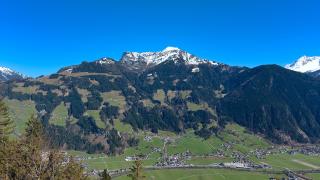
Berchtesgaden National Park lies just across the Austrian border in Germany. Trains from Salzburg Hauptbahnhof reach the town in roughly 80 minutes. This cross-border route offers easy access to alpine scenery. The Königssee is the region’s primary natural attraction. Regular boat tours depart from the main pier. These electric boats navigate the fjord-like lake efficiently. Hiking trails surround the water for active visitors. The Eagle’s Nest sits atop the Kehlstein mountain. It requires a separate bus transfer from Berchtesgaden. This historic site operates only during specific seasons. Winter closures typically last from November through April. Visitors must book tickets well in advance. Guided tours simplify this complex logistics chain. They handle border crossings and ticket reservations. Private drivers offer flexibility for larger groups. Costs vary significantly based on group size. Expect to pay approximately €50 per person for basic tours. Full-day excursions often exceed €100 per traveler. Public transport remains the most budget-friendly option. However, schedules can be restrictive for late starters. Check local timetables before planning your departure. The area provides stunning views of the Alps. Snow-capped peaks dominate the horizon in summer. Winter transforms the landscape into a snowy wonderland. Pack layers for unpredictable mountain weather. Comfortable hiking boots are essential for trail access. The region remains popular with international tourists. Arriving early ensures better parking and tour availability.
Hallstatt and Dachstein Region
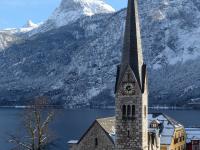
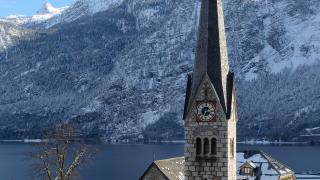
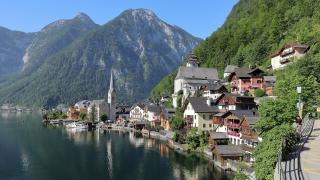
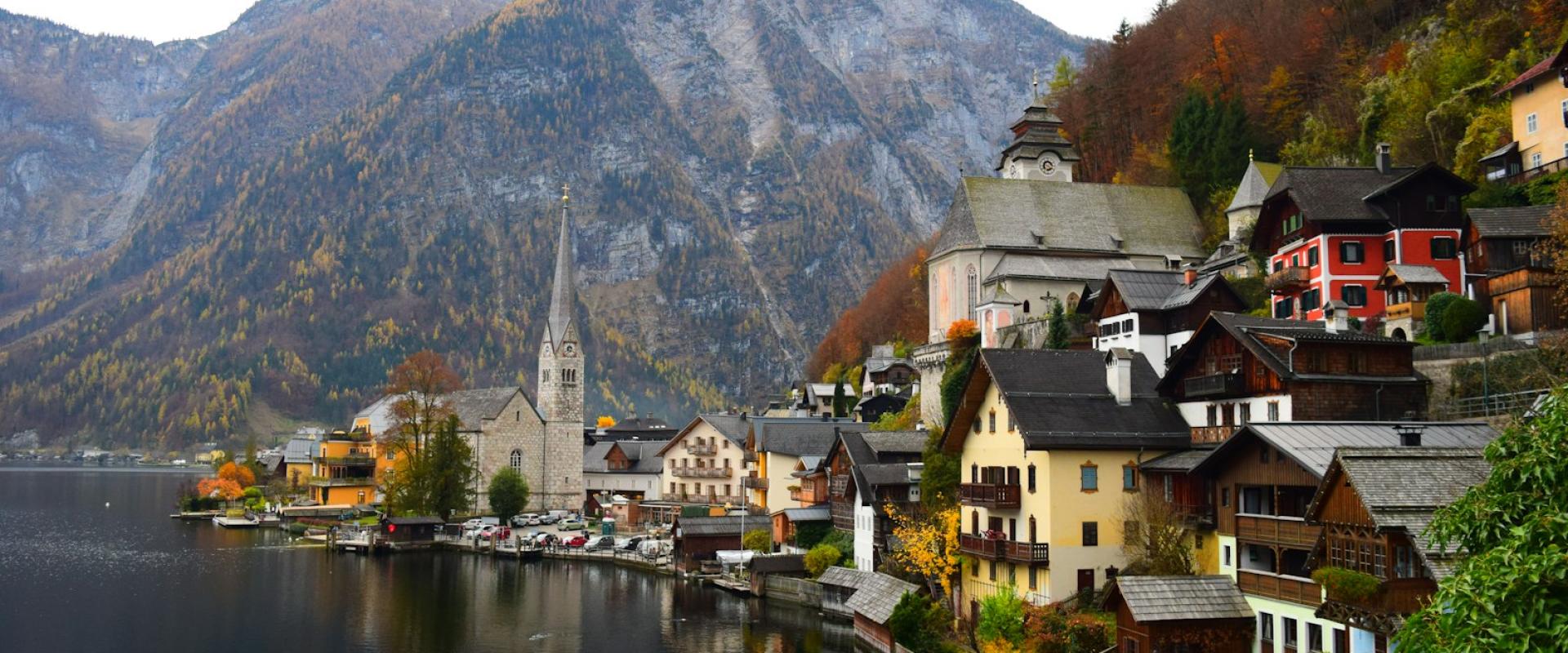
Hallstatt is Austria’s most visited village. It suffers from severe overcrowding daily. Arrive before 8 AM or after 5 PM. This strategy avoids peak cruise ship crowds. The train from Salzburg takes roughly two hours. Buses connect the station to the village. Dachstein Ice Caves offer unique alpine experiences. They are located near Hallstatt. Access requires a cable car ride. The Skywalk extends over the cliff edge. It provides panoramic mountain views. Visitors must wear helmets for cave tours. These are provided at the entrance. The Ice Caves remain frozen year-round. Temperatures stay near zero degrees Celsius. Bring warm layers for the excursion. Combine culture with adventure in one day. Visit the historic salt mines in Hallstatt. Then take the cable car to Dachstein. This route maximizes your limited time. Entry fees for the Skywalk cost approximately €15. Cave tours require separate booking. Prices vary by season. Check official websites for current rates. Public transport connects these key sites. Trains run frequently during summer months. Plan your itinerary around transport schedules. This ensures a smooth, stress-free day trip.
Seasonal Logistics and Passes
The Salzburg Card covers regional trains to Hallstatt and Berchtesgaden. It saves significant costs for frequent travelers. The pass includes free entry to major museums. It also offers unlimited local transport within the city. Regional passes like the Salzkammergut Card provide additional value. These passes often include boat rides on local lakes. Summer months see increased train frequency to alpine destinations. Winter schedules may reduce service to remote mountain villages. Always verify timetables before booking cross-border trips to Germany. Real-time updates via the ÖBB app are essential. Delays occur frequently during peak holiday seasons. Strategic accommodation in Salzburg reduces daily transit time. Staying near the Hauptbahnhof allows early morning departures. This proximity ensures access to first available trains. Book tickets in advance for popular summer routes. Last-minute purchases often result in higher prices. Consider overnight trains for distant destinations like Vienna. Day trips remain efficient with proper planning. The Austria Card offers broader national coverage. Evaluate this option for multi-region itineraries. Local buses connect smaller villages efficiently. Check seasonal operating hours for mountain railways. These services often close earlier in winter. Plan meals around train schedules to save money. Carry cash for small village vendors. Digital tickets work seamlessly on all regional services.