Melk
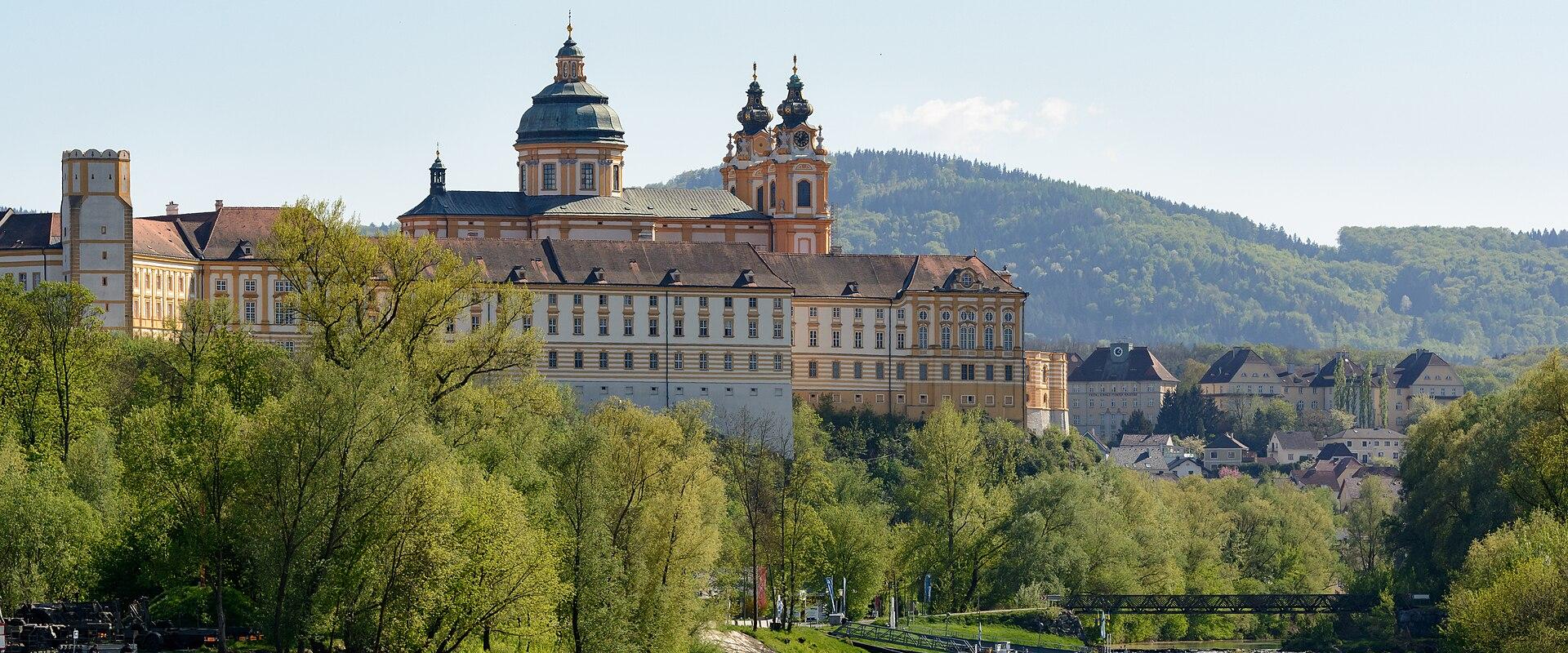
Baroque abbey overlooking the Danube in the Wachau Valley
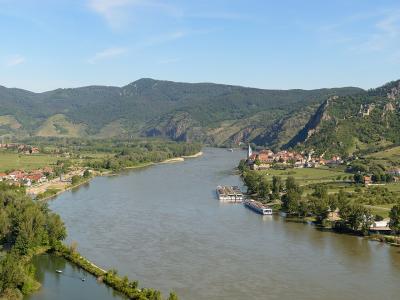
Melk, in Lower Austria, lies where the Melk stream joins the Danube River, at the upstream gate of the Wachau. The rock on which the abbey stands has been a strategic site since Roman times, when a fort guarded the river frontier, and in the tenth century the Babenberg margraves made it a residence. In 1089, Margrave Leopold II gave the castle to Benedictine monks, and the abbey has been inhabited ever since. It became one of the major centres of learning and culture in the region, with a school that still exists today.
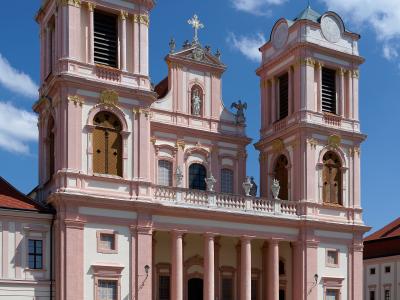
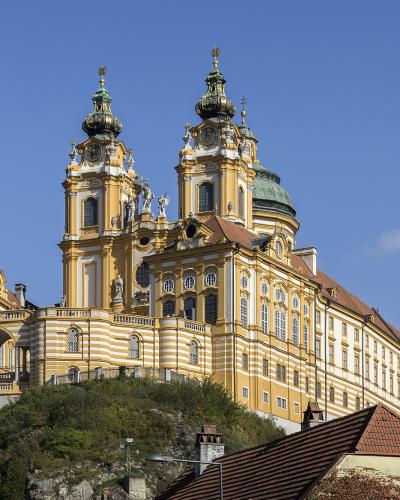
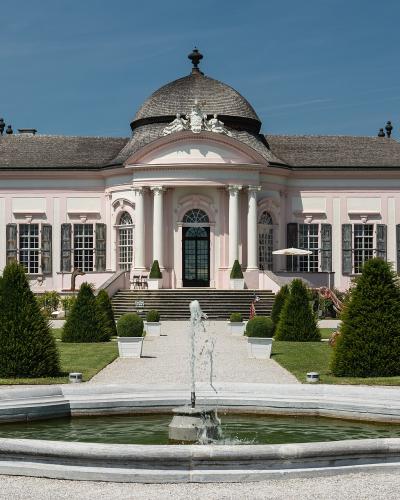
Melk Abbey, the Stift Melk, is the highlight, at the gateway of the Wachau Valley. The present buildings were designed by the architect Jakob Prandtauer and built between 1702 and 1736, replacing earlier Romanesque and Gothic structures. The yellow and white complex rises like a ship above the river, with a central church flanked by towers and domes. Inside, visitors pass through the Imperial Corridor, a long gallery with portraits of the Habsburgs, to the Marble Hall and the terrace with a view over the Danube. The Library, with its ceiling frescoes and carved shelves, holds around a hundred thousand volumes and many medieval manuscripts, and is regarded as one of the finest Baroque libraries in Austria. The church, richly decorated with gold, marble and ceiling paintings, is a high point of the Austrian Baroque. Tours are offered in several languages, and a park and garden complete the visit.
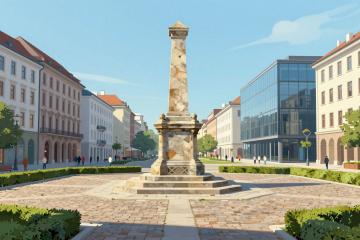
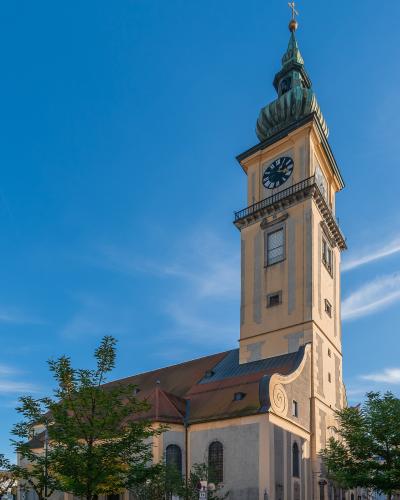
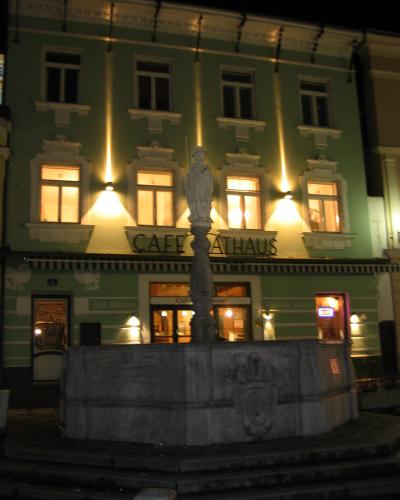
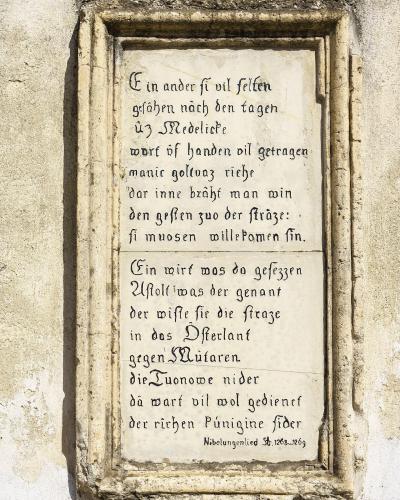
The old town below the abbey is small but pleasant. The town square, with colourful houses and a parish church, Stadtpfarrkirche Mariä Himmelfahrt, is the centre, and the Sand Gate, the Sandtor, is a remnant of the medieval fortifications. Lanes lead to the Haus am Stein, a historic house in the old town, and an old building associated with the Nibelungenlied, the medieval epic whose characters travel along this stretch of the Danube. Small cafes and restaurants serve coffee, cake and regional dishes, and the Rathauskeller offers a traditional meal in a vaulted cellar. Themed trails and an open-air Art Mile of sculptures add a cultural layer.
The Danube is the other main attraction. Boats of several operators link Melk with Krems, Dürnstein and other places in the Wachau, passing castle ruins, terraced vineyards and villages. A river cruise is a restful way to see the valley, and it can be combined with a return by train or bicycle. The Danube Cycle Path runs through the town, and cyclists often start or finish their ride in Melk. Beyond the abbey and the river, small museums and parks offer short walks.
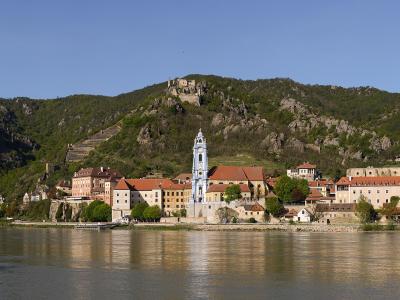
Wine and food are local pleasures. The Wachau is known for white wines, especially Grüner Veltliner and Riesling, and Heuriger taverns around Melk and in nearby villages serve the new wine with cold dishes. Apricots are another speciality, appearing in jam, schnapps and cakes. For a day trip, the nearby town of Dürnstein, with its blue church tower and the legend of Richard the Lionheart, can be reached by boat or bicycle.
The best time to visit is from mid-June to early September for warm weather, cycling and river cruises. July and August are the peak months, and the abbey can be crowded. Spring and autumn offer milder weather and fewer visitors, with blossom in April and golden vines in October. In winter, the abbey remains open, and the atmosphere is calm.
Getting to Melk is easy. The town lies on the main railway between Vienna and Salzburg, and trains from Vienna take about an hour. By car, the A1 motorway passes nearby, with an exit for Melk, and the Wachau road continues along the river. The station is about 15 minutes' walk from the abbey, and local buses serve the town.
Best Time to Visit
Visit from mid-June to early September for warm weather ideal for wine tasting and hiking in the Wachau Valley.
Did you know?
Interesting, verified facts about Melk
Melk Is Shaped by a River
HistoryMelk is a town in the Melk District of Lower Austria, situated on a rocky outcrop above the Danube River in the heart of the Wachau Valley.
Source: Melk Abbey - Melk - WikimapiaA Bestselling Novel Opens With the Name "Melk"
Notable PersonUmberto Eco's 1980 bestseller "The Name of the Rose" is narrated by Adso of Melk, an elderly Benedictine looking back on the mystery from his home monastery -- and the book's opening pages frame the entire novel as a lost manuscript from Melk. The name is widely seen as a nod to the abbey and its famous library, though the story itself is set in an unnamed abbey in Italy. Pick up a copy and you'll find Melk in the very first sentence.
Source: Wikipedia (Melk Abbey)Plan Your Visit to Melk
Essential travel tips and information for your trip to Melk.
Suggested Itineraries
Travel Tips
Currency
EUR • Cards widely accepted
Language
German • English in tourist areas
WiFi
Free WiFi in cafes and hotels
Explore Melk by Interest
Discover attractions and experiences in Melk organized by your interests and travel preferences.
All attractions in Melk
Sorted by our recommendation score
Quick Facts
Book your stay
Frequently Asked Questions
More destinations in Lower Austria
Explore other amazing places in the Lower Austria region