St. Anton Am Arlberg
World-renowned alpine ski resort in the Austria...
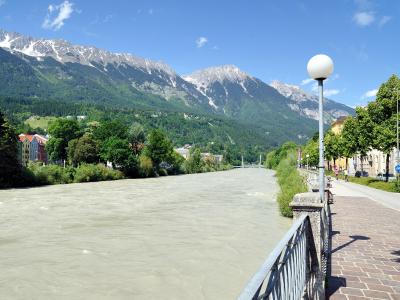
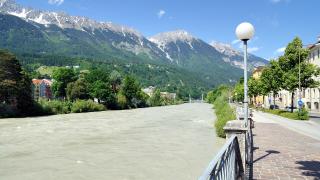
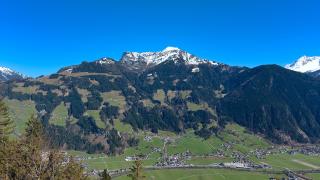
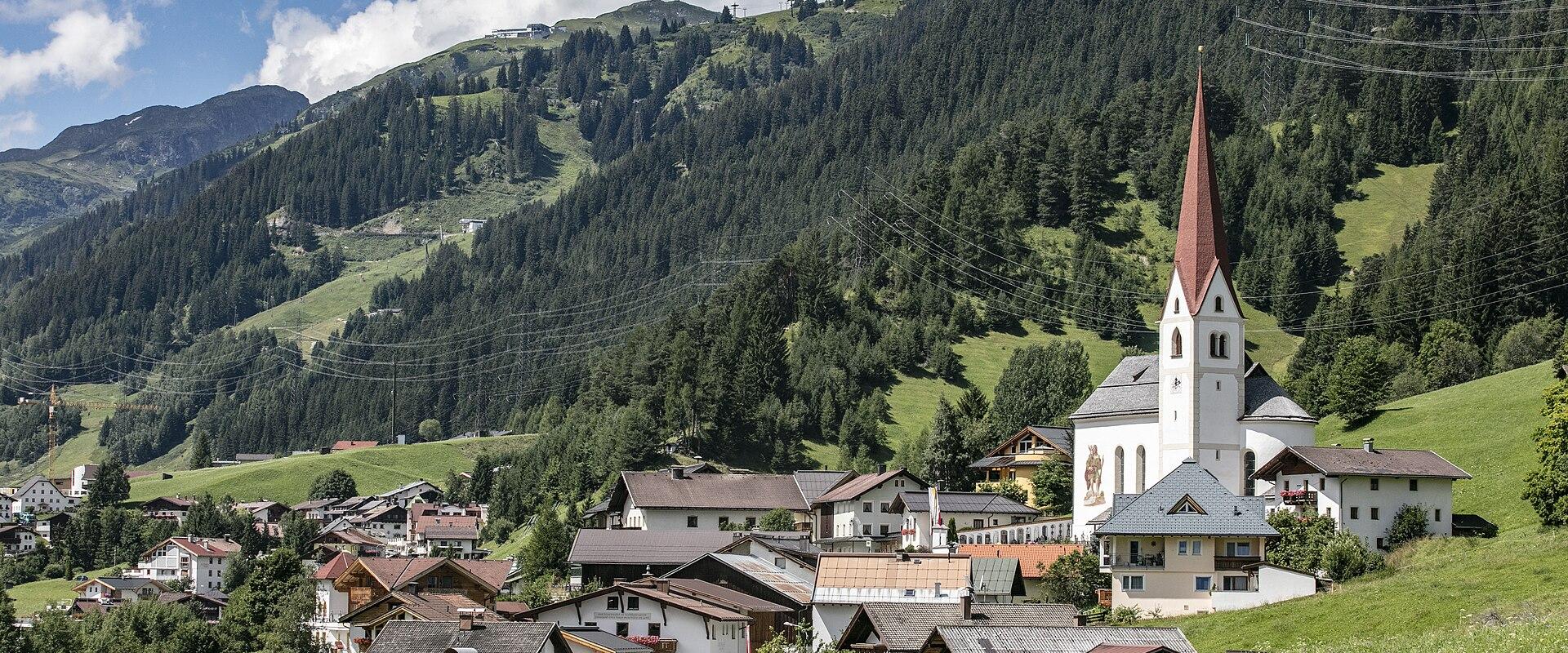
St. Anton am Arlberg is a village of a few thousand people in the Stanzer Tal, on the Tyrolean side of the Arlberg massif. The village has an elevation of about 1,300 metres, and the mountains rise quickly on both sides, creating a place where the main street, the railway and the river share a narrow valley floor. That compactness is part of its character: almost everything is within walking distance, and the ski lifts start at the edge of the village.
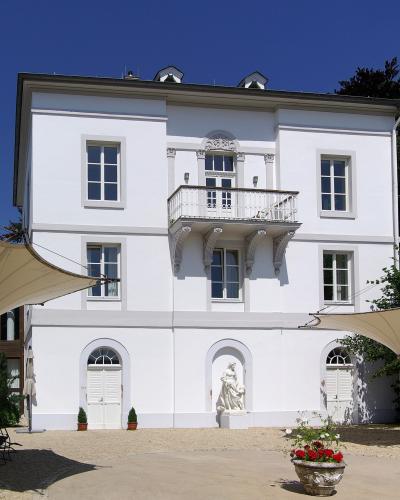
The area's place in the history of skiing is well established. At the beginning of the twentieth century, Hannes Schneider, a local ski instructor, developed a systematic teaching method that became known as the Arlberg technique. It taught skiers to turn in a controlled way on steep terrain, and it spread through Europe and North America in the following decades. The Ski Museum in the village is housed in a historic villa from around 1900 and traces this story with equipment, photographs and documents. It is a good stop on a day of poor weather.
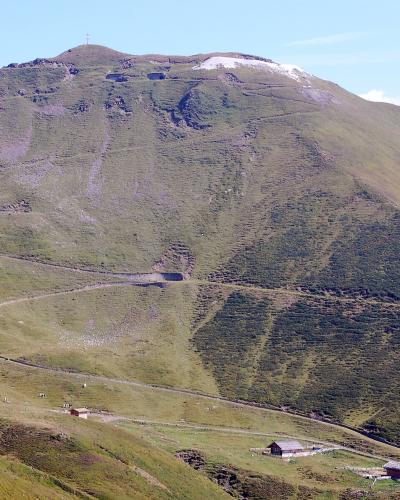
The ski area is vast. Together with Lech, Zürs, Stuben and other villages, St. Anton forms part of the Ski Arlberg network, one of the largest linked areas in Austria, with lifts joining several valleys. The terrain around the Valluga, which reaches about 2,800 metres, is known for steep off-piste runs, and it demands experience and local knowledge. Beginners have their own gentler slopes, and the Arlberg Panorama Trail and similar routes allow intermediate skiers to cross long distances. Après-ski is lively, with bars and mountain huts such as the Schindleralm drawing crowds in the afternoon.
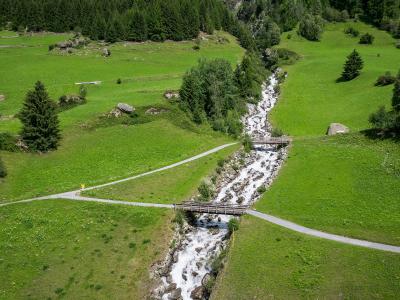
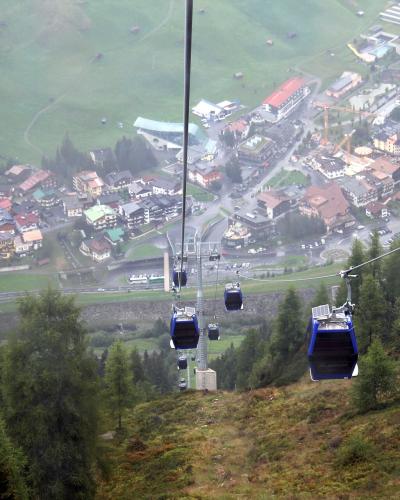
In summer the atmosphere is calmer. The lifts carry hikers and mountain bikers onto the slopes, and trails range from easy walks to high alpine routes. Viewpoints such as the Gallus-Blick give panoramas of the surrounding peaks, and the area around the Kreuzjoch offers further paths. The Verwall and Lechtal Alps lie within reach for multi-day treks, and small mountain lakes provide places for a swim. Cycling is possible on the roads and trails, though the valley is steep.
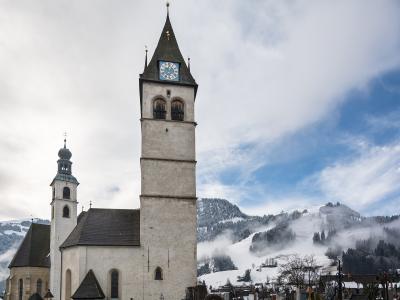
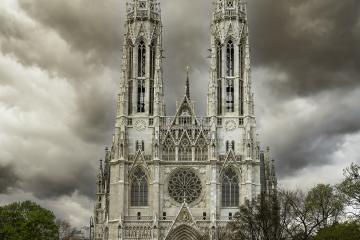
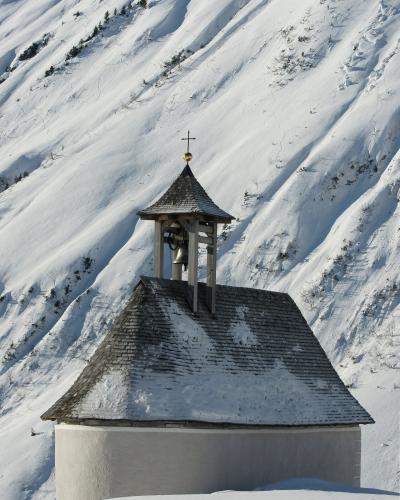
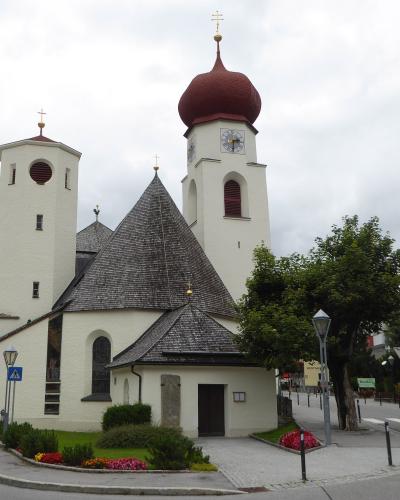
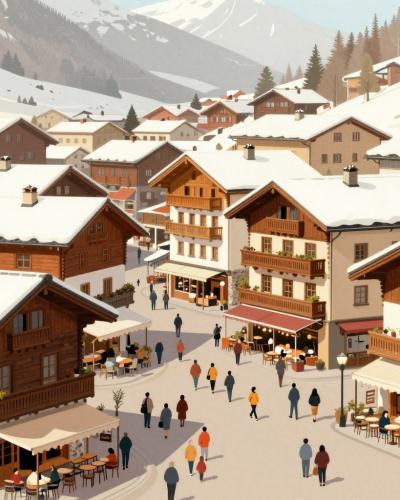
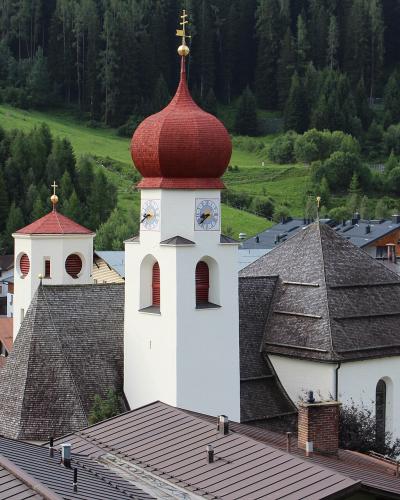
The village centre has a mixture of traditional hotels, shops and modern buildings. The parish church of St. Anton and a small chapel dedicated to St. Anna add historical touches, and the old village core, with wooden houses and carved balconies, is worth exploring after a day outdoors. The railway station is a central feature, since the main line between Innsbruck and Bregenz stops here, and the long tunnel under the Arlberg leads to Vorarlberg.
Food is Tyrolean. Expect Tiroler Gröstl, a pan of potatoes, bacon and egg, Kaspressknödel, cheese dumplings served in soup, and Kaiserschmarrn, a shredded sweet pancake with fruit compote. Mountain huts offer simple meals, and in the village a mix of traditional inns and international restaurants caters to a global winter clientele.
The ski season runs from late November or December to April, with the best snow in January to March. St. Anton is known for relatively reliable snow because of its altitude and location. Summer runs from June to September, with July and August the warmest. Spring and autumn are quiet, and many businesses close between seasons.
St. Anton is easy to reach by train, with direct services from Innsbruck, Zürich and Vienna, and it lies about 100 kilometres from Innsbruck airport by road. By car, the Arlberg road tunnel has a toll. Within the village, most things can be reached on foot, and ski buses connect the lifts.
Did you know?
Interesting, verified facts about St. Anton Am Arlberg
St. Anton Am Arlberg Has Another Verifiable Detail
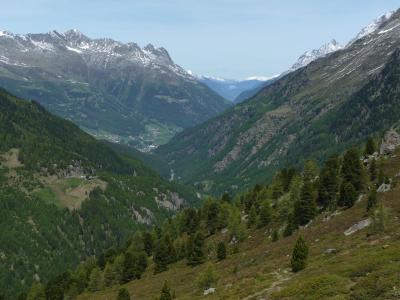
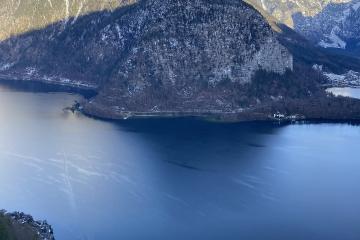
HistoryThe area is defined by its dramatic mountain scenery, featuring the rugged terrain of the Arlberg region, which includes the prominent Valluga peak.
Source: Arlberg - WikipediaPlan Your Visit to St. Anton Am Arlberg
Essential travel tips and information for your trip to St. Anton Am Arlberg.
Suggested Itineraries
One Day in St. Anton Am Arlberg
1 dayPerfect for a quick visit. See the main highlights and get a taste of local culture.
Extended St. Anton Am Arlberg Experience
2-3 daysComprehensive exploration including nearby attractions and cultural experiences.
Travel Tips
Currency
EUR • Cards widely accepted
Language
German • English in tourist areas
WiFi
Free WiFi in cafes and hotels
Explore St. Anton Am Arlberg by Interest
Discover attractions and experiences in St. Anton Am Arlberg organized by your interests and travel preferences.
All attractions in St. Anton Am Arlberg
Sorted by our recommendation score
Quick Facts
Book your stay
Frequently Asked Questions
More destinations in Tyrol
Explore other amazing places in the Tyrol region