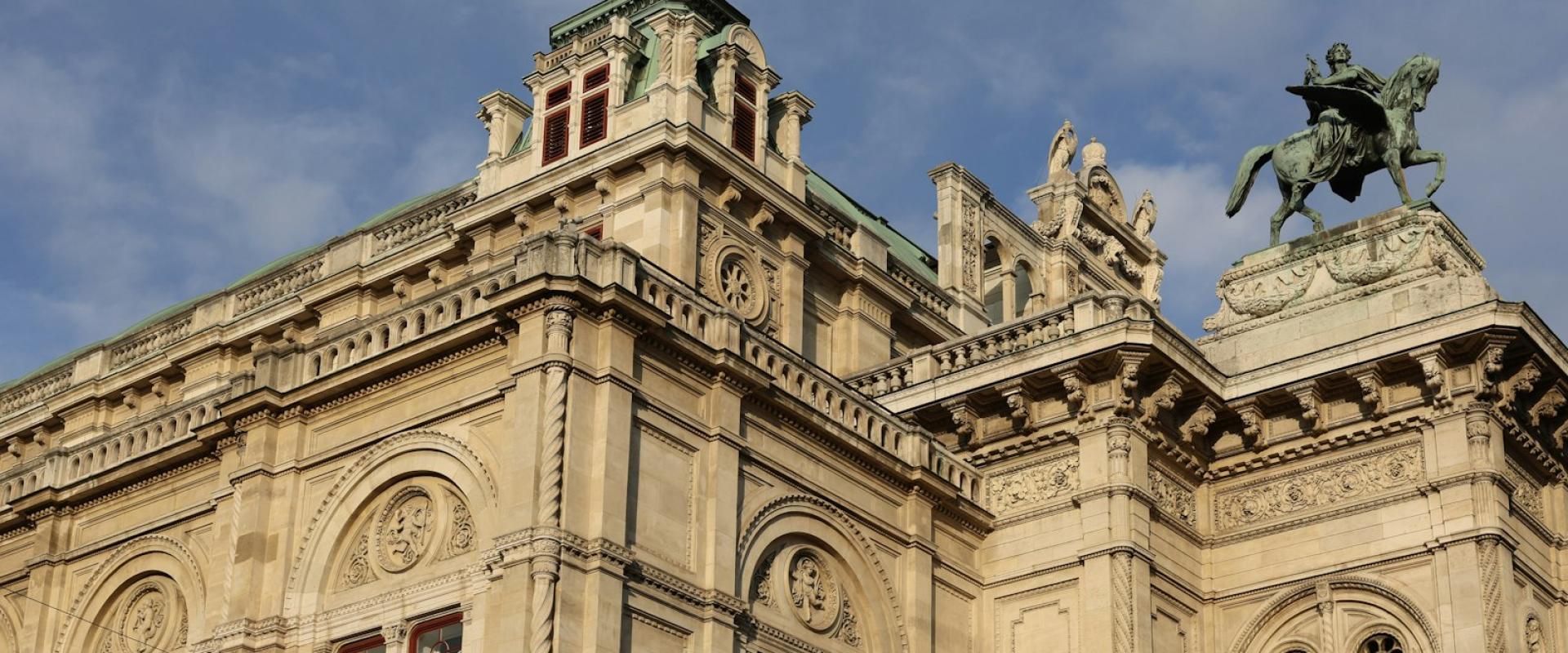
Imperial Heritage Overview
Austrian architecture reflects centuries of Habsburg imperial power. Vienna serves as the primary center for grand imperial styles. The Ringstrasse displays neoclassical palaces and government buildings. Schönbrunn Palace offers a prime example of Baroque opulence. Salzburg showcases distinct Baroque churches and historic squares. The city’s layout remains tightly preserved within old walls. Innsbruck provides a contrast with medieval and Alpine styles. Its Golden Roof marks the historic market square. Travelers should cluster visits by region for efficiency. Vienna’s landmarks concentrate within the first district. Salzburg’s historic center is compact and walkable. Innsbruck’s old town is dense and pedestrian-friendly. Distances between major sites are often under two kilometers. Public transport connects these hubs effectively. The U-Bahn in Vienna covers significant ground quickly. Trams in Salzburg offer scenic routes through history. Buses in Innsbruck reach peripheral Alpine viewpoints. Ticket prices vary by site and season. General admission to palaces ranges from fifteen to twenty euros. Guided tours add significant cost to the experience. Booking online saves time during peak summer months. Winter visits offer shorter lines and lower prices. The architectural legacy remains visible in daily life. Stone facades and ornate details define the streetscape. Understanding this history enhances the travel experience significantly.
Vienna’s Monumental Core
St. Stephen’s Cathedral dominates Stephansplatz. Its Gothic spire rises 136 meters. Climbing 343 steps costs €4.50. Elevators are unavailable for mobility access. The view rewards the physical effort. Schönbrunn Palace requires advance online booking. Walk-up tickets often sell out. The Grand Tour covers 40 rooms. It takes approximately 90 minutes. Audio guides cost €5 extra. The Belvedere houses Klimt’s The Kiss. Entry includes a free audio guide. Photography is prohibited inside the Upper Belvedere. Flash photography is strictly forbidden. The Ringstrasse encircles the historic center. It spans 5.3 kilometers. Walking the full loop takes two hours. Public transport offers faster viewing. The Vienna City Card provides unlimited travel. It also grants 50% discounts at many sites. Use it for trams and buses. The card saves money on entry fees. Plan visits during weekdays. Crowds peak on weekends. Book all major landmarks ahead. Prices change seasonally. Check official websites for updates. Austria’s imperial architecture demands respect. Follow all posted signage. Respect quiet hours in palaces. Photography rules vary by site. St. Stephen’s allows photos in the nave. Schönbrunn restricts images in state rooms. The Belvedere enforces strict no-photo zones. These rules protect fragile artworks. Violations result in fines. Stay informed before visiting. Prepare for long queues. Arrive early for best access. Vienna’s core offers rich history. Each landmark tells a unique story. Plan your itinerary carefully. Maximize your time efficiently.
Salzburg’s Baroque Enclave
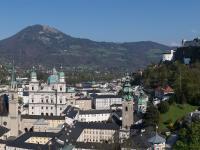
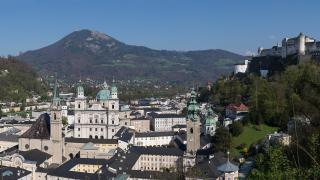
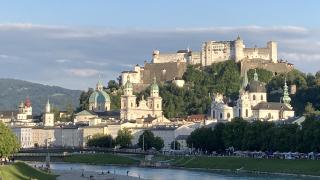
Hohensalzburg Fortress dominates the skyline. Take the funicular from Festungsgasse. The ride lasts two minutes. Elevators provide alternative access for mobility needs. Salzburg Cathedral features daily concerts. Book tickets online to secure seats. Performances typically run from April to October. Mirabell Palace offers free entry. Its gardens serve as a walking tour starting point. The Salzach River borders the grounds. The Salzburg Card costs approximately €30 daily. It includes unlimited public transport access. The card covers fortress and cathedral fees. This option saves money for frequent travelers. Buses and trams connect all major sites. Cobblestone streets cover the historic center. Wear sturdy footwear for comfortable walking. Heels are impractical on uneven surfaces. Plan visits during morning hours. Crowds increase significantly after noon. The card’s validity starts at first use. Keep the card accessible for inspections. Transport links operate until late evening. Check schedules for seasonal variations. Baroque architecture defines the city’s aesthetic. Every landmark reflects Habsburg influence. Practical planning ensures a smooth experience.
Modernist and Art Nouveau Gems
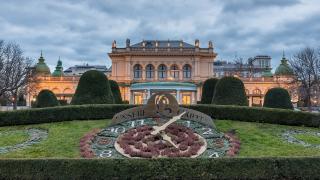
Vienna’s Secession Building defines Art Nouveau locally. Daily access costs €12 for general entry. Audio guides are included in the ticket price. Photography is permitted without flash. The Post Office Savings Bank showcases Otto Wagner’s work. Free access covers the main hall only. Upper floors require guided tours or specific appointments. St. Leopold Church sits within the Steinhof Hospital. It operates on separate hospital visiting hours. Visitors must check current medical facility schedules. Modern Vienna Tours offer contextual historical understanding. These tours cover specific Art Nouveau sites. They explain the shift from historicism to modernism. Booking in advance is recommended for groups. The tours last approximately two hours. They provide insight into Vienna’s cultural transformation. This approach highlights lesser-known architectural details. It connects buildings to their historical context. Practical planning ensures a smooth visit. Check official websites for seasonal changes. Local transport connects these distinct landmarks efficiently.
Logistics and Accessibility
Online booking is essential for Schönbrunn Palace during peak summer months. Walk-up tickets often sell out by noon. Vienna’s U-Bahn and trams provide efficient access to major sites. Salzburg’s city buses connect the fortress base to the old town. The Vienna City Card offers free public transport and discounted entry. Salzburg Card includes transport and many landmark admissions. Accessibility varies significantly across historic Austrian buildings. Many Baroque palaces lack modern elevators. Visitors with mobility issues should contact sites in advance. Audio guides are widely available at most major landmarks. Costs typically range from €4 to €6. These guides are often included in standard admission tickets. Photography is generally permitted in exterior courtyards. Flash photography is strictly prohibited inside cathedrals and museums. Specific policies vary by institution. Always check official websites for current restrictions. Respect quiet zones within active religious sites. Do not touch fragile frescoes or stucco work. Carry small change for locker rentals at some castles. Digital tickets are accepted at most major venues. Print copies are recommended as a backup. Austrian landmarks operate on strict schedules. Late arrivals may be denied entry. Plan your itinerary to avoid peak crowds. Morning visits offer the best lighting for photography.