


Emergency Response Protocols
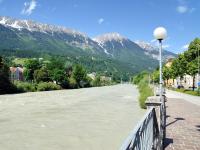
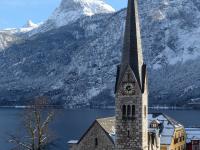
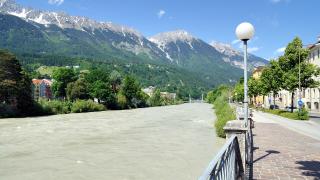
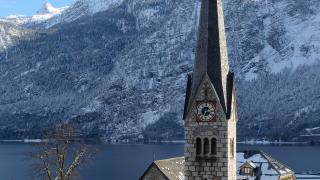
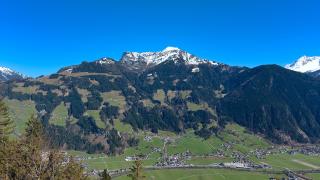
Austria utilizes the universal European emergency number 112. This single line connects you to police, fire, and medical services instantly. It operates across all Austrian states without charge. For non-emergency police matters, dial 133 directly. English support is widely available in major cities like Vienna. However, remote alpine regions offer limited English-speaking assistance. Mountain rescue teams respond to high-altitude incidents daily. Response times vary significantly between urban centers and mountains. Urban ambulance arrival typically takes under fifteen minutes. Alpine rescue may require hours due to terrain. Helicopter extraction is common in steep, inaccessible areas. Always provide precise GPS coordinates when calling from peaks. Local huts and trail markers offer specific location data. Carry a fully charged mobile phone at all times. Battery life drains faster in cold alpine conditions. Download offline maps before entering remote valleys. Inform others of your planned route and return time. Carry basic first aid supplies for minor injuries. Severe altitude sickness requires immediate descent and medical help. Know the location of the nearest mountain hut. These structures often serve as temporary shelters during emergencies. Always respect local signage regarding hazardous zones. Ignoring warnings can lead to dangerous situations requiring rescue. Stay informed about weather changes before hiking. Sudden storms are frequent in high-altitude environments.
Healthcare Infrastructure Access
Austria maintains a robust public healthcare system accessible to residents and visitors. EU/EEA citizens must present a valid European Health Insurance Card (EHIC). This card grants access to necessary medical treatment at public facilities. It covers basic care, including doctor visits and hospital stays. Non-EU travelers require comprehensive private travel insurance for medical coverage. Public hospitals treat emergencies, but private clinics offer faster service. Pharmacies are easily identified by a prominent green 'A' sign. These establishments operate on specific hours, often closing on Sundays. Always carry medications in their original packaging with clear labels. This practice prevents issues during border checks or pharmacy purchases. Keep a copy of your prescription documentation for reference. Emergency services are reliable, but wait times can vary. Always carry your insurance details when seeking non-emergency care. The system prioritizes urgent cases over routine appointments. Ensure your insurance covers repatriation if severe illness occurs. Public transport connects most medical centers in urban areas. Rural regions may have limited immediate access to specialists. Plan ahead for any scheduled medical procedures while visiting. Always verify insurance validity before traveling to Austria. This ensures seamless access to the high-quality healthcare infrastructure.
Alpine Safety and Altitude Risks
Austrian alpine zones present distinct health hazards above 2,500 meters. Altitude sickness affects unacclimatized hikers rapidly. Symptoms include severe headaches and nausea. Always ascend gradually to mitigate these risks. Weather shifts violently in the Alps. Hypothermia becomes a critical threat quickly. Temperatures drop significantly at higher elevations. Check the Alpenverein forecast before every hike. This service provides accurate, localized mountain data. It is essential for safe planning. Mountain rescue, known as Bergrettung, operates extensively. However, it is not free for tourists. Costs can exceed 1,000 euros per incident. This fee covers helicopter and personnel expenses. Travelers must carry comprehensive travel insurance. Standard policies often exclude high-altitude activities. Verify coverage limits for rescue operations. Without valid insurance, you face direct billing. Prepare for cold, wind, and snow. Proper gear is mandatory for survival. Respect all warning signs on trails. Ignoring them increases accident likelihood significantly. Stay informed about local emergency protocols. Your safety depends on preparation and awareness.
Urban Crime and Petty Theft
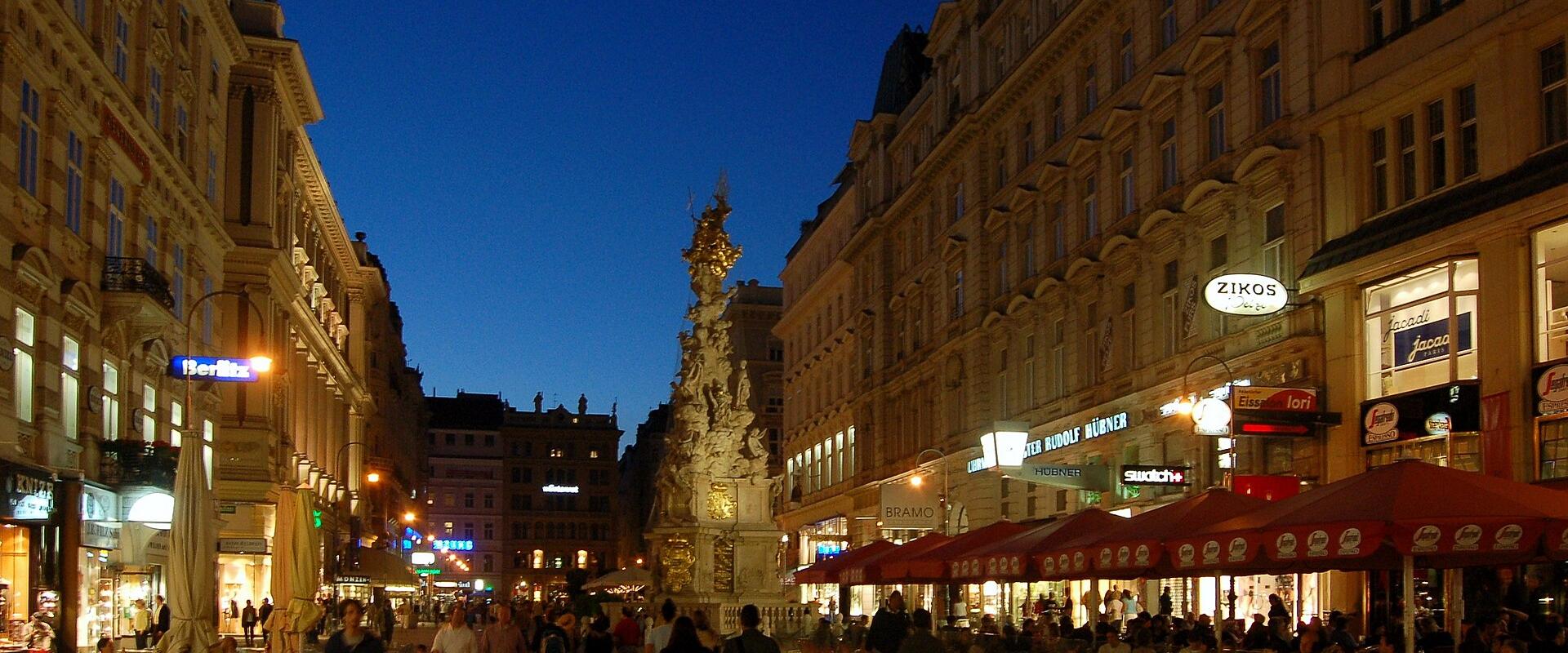
Austria remains safe, yet petty theft targets tourists in major cities. Pickpocketing is prevalent in Vienna, Salzburg, and Innsbruck. Thieves frequent crowded train stations and busy transit hubs. St. Stephen’s Cathedral in Vienna sees frequent bag snatching. Tourist lookouts also attract opportunistic criminals. Distraction techniques are common tactics used by thieves. They often target individuals dining at outdoor seating areas. Always secure your bags against your body in crowds. Avoid displaying large amounts of cash in public. Keep wallets in front pockets or zipped compartments. Use only monitored bike parking facilities in urban zones. Unattended bicycles are frequently stolen in city centers. Report any theft immediately to local police authorities. Keep digital copies of important travel documents. Stay vigilant in high-traffic tourist districts. Normal security precautions suffice for most travelers. Do not leave valuables visible in rental cars. Be cautious during peak summer tourist seasons. Criminals exploit distracted visitors in busy squares. Maintain awareness of your surroundings at all times.
Food Hygiene and Water Standards
Austrian tap water is exceptionally pure and safe for consumption nationwide. It undergoes rigorous testing exceeding EU standards. You can drink directly from public fountains in cities like Vienna. Restaurants maintain high hygiene standards under strict federal regulations. Look for the official hygiene rating sticker on establishment windows. Travelers with allergies should carry Austrian medical cards in German. These cards detail restrictions clearly for local staff. Routine vaccinations are not mandatory for entry into Austria. However, tick-borne encephalitis (TBE) poses a genuine risk in rural zones. TBE is prevalent in forested areas of Styria and Carinthia. Hikers and campers face higher exposure in grassy regions. Consult your doctor about the TBE vaccine before travel. The vaccine requires two initial doses followed by boosters. Antibiotics are available for Lyme disease if bitten. Carry insect repellent containing DEET for wooded trails. Food poisoning is rare due to strict supply chain controls. Always wash hands before eating in rural settings. Medical facilities in towns are well-equipped and clean. Pharmacies display a green cross sign for easy identification.