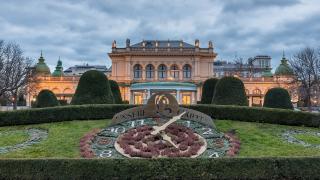
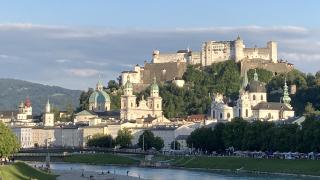
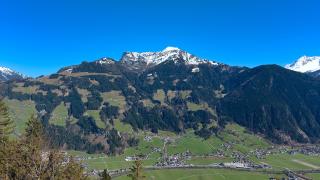
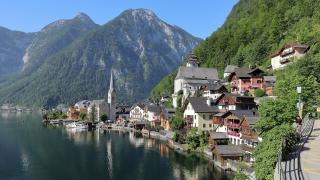
Austrian vacation rentals split sharply between city apartments and mountain chalets. Urban units dominate Vienna and Salzburg. These spaces prioritize location over square footage. Tenants expect high ceilings and historic facades. Monthly rents in Vienna average €15 per square meter. Short-term stays cost significantly more per night. Rural chalets define the Tyrol and Salzburg Alps. These structures use local timber and stone. They offer steep roofs for heavy snow loads. Chalets provide direct ski access in winter. Summer months shift focus to hiking trails. Urban apartments suit business travelers and city explorers. Rural chalets appeal to families and skiers. Booking windows differ by region. City rentals book months in advance for summer. Alpine chalets require early reservations for ski season. Prices surge during major events like Salzburg Festival. Vienna’s Innere Stadt commands premium nightly rates. Tyrolean villages offer better value in shoulder seasons. Check for Zimmerscheine in cities. This registration form is mandatory for police records. Rural homes often lack this specific requirement. Heating costs vary by building age. Older urban buildings may have high energy bills. Modern chalets often feature efficient wood stoves. Verify internet speed in remote mountain locations. Rural connectivity can be unreliable. Urban apartments guarantee high-speed fiber connections. Understand cleaning fees before booking. Austrian hosts charge strict cleaning surcharges. These fees range from €30 to €80. They apply to both cities and mountains. Security deposits are common in both sectors. They typically equal one month’s rent. Read house rules carefully. Many urban buildings enforce strict quiet hours. Alpine chalets may restrict outdoor noise. Respect local customs to avoid conflicts. Choose your rental type based on your itinerary. City centers offer walkability and transit. Mountains provide isolation and nature. Both sectors require advance planning. Prices reflect demand and seasonality. Always compare total costs including fees. This ensures accurate budgeting for your trip.
Property Types and Regional Styles
Austrian rentals define distinct categories by structure and location. The Ferienwohnung is a self-contained apartment, often in city centers. These units suit short urban stays. They typically feature modern kitchens and Wi-Fi. The Ferienhaus is a detached house, common in rural areas. Families prefer these for privacy and space. They often include gardens or terraces. The Almhütte is a traditional mountain hut. Located in the Alps, these offer rustic charm. They lack modern luxuries like elevators. Amenity differences are significant across types. City apartments prioritize convenience and transit access. Mountain houses emphasize outdoor gear storage and views. Almhüttes provide basic sleeping quarters only. Service levels remain consistent across all categories. Daily housekeeping is rarely included in rentals. Guests must clean their own spaces. This practice reduces costs for travelers. It also respects local environmental norms. Prices vary by region and season. Alpine rentals cost more during ski season. Urban units remain stable year-round. Booking requires planning months ahead for peak times. Understanding these distinctions ensures appropriate accommodation choices. Travelers should match property types to their itinerary needs. Rural exploration suits houses. City sightseeing fits apartments. High-altitude hiking aligns with huts.
Booking Logistics and Regulations
Austrian vacation rentals require strict administrative compliance. Hosts must register properties with local municipalities. This legal step ensures tax collection and safety standards. Unregistered rentals face significant fines and closure orders. Guests should verify registration numbers before booking. This number often appears on the property listing. It confirms the unit meets local housing laws.
The Gästebühr (guest tax) applies to all short-term stays. This fee varies by region and accommodation type. Cities like Vienna and Salzburg charge higher rates. The tax typically ranges from one to three euros per person per night. Children under ten years old usually pay nothing. The host collects this fee during your stay. You must pay it in cash upon arrival. Receipts are essential for business expense claims.
Self-check-in procedures are standard in urban areas. Hosts provide digital codes or key boxes for access. This system allows flexible arrival times without staff presence. However, cleaning expectations remain rigorous. Professional cleaning occurs between every guest turnover. Hosts enforce strict no-smoking and no-party policies. Violations result in immediate eviction and loss of deposits. Always read the house rules carefully. Austrian rentals prioritize quiet and respect for neighbors. Noise complaints can lead to police involvement. Plan your arrival time to respect local curfews. Most buildings enforce quiet hours from ten PM to seven AM. Adhering to these rules ensures a smooth stay.
Essential Amenities and Heating
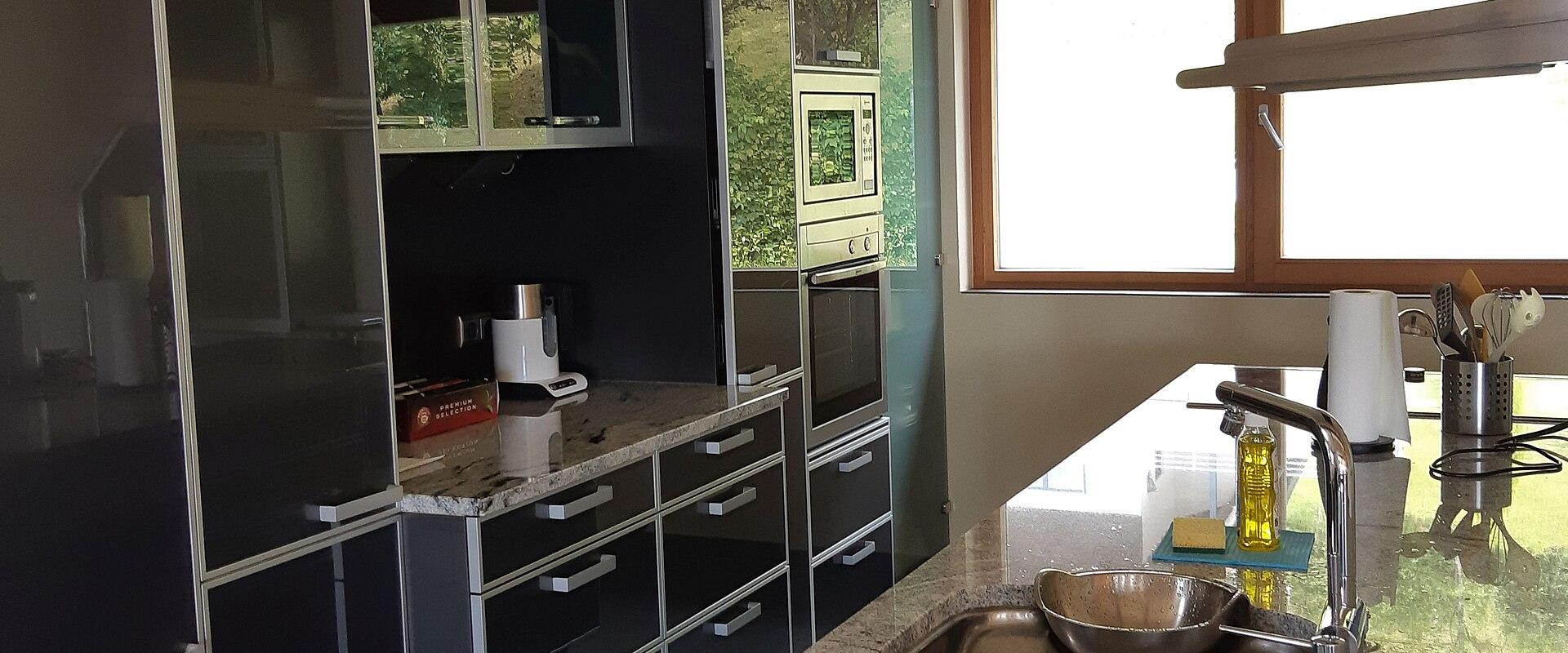
Austrian rentals prioritize thermal efficiency due to harsh winters. Most properties utilize electric or oil heating systems. Guests must verify if heating costs are included. Many hosts charge extra for winter energy usage. This fee often ranges from twenty to fifty euros weekly. Always request a detailed cost breakdown before booking. Kitchen equipment varies significantly between urban and rural units. City apartments typically feature fully equipped modern kitchens. Mountain chalets may offer basic appliances only. Check for essential items like pots and cutlery. Rural rentals sometimes lack high-end coffee machines. Internet reliability remains a critical concern in remote areas. Alpine regions often suffer from poor signal strength. Urban centers in Vienna or Graz offer fiber optics. Verify connection speeds if you require remote work. Rural properties may rely on slower DSL connections. Parking availability differs by location type. City centers enforce strict parking regulations. Many urban rentals lack dedicated parking spaces. Guests must pay for public street parking. Mountain chalets usually include private driveway parking. This amenity is standard in ski resort areas. Always confirm parking details in the listing description. Austrian rentals demand careful amenity verification. Heating costs can surprise budget-conscious travelers. Kitchen setups vary by property age and location. Internet speeds dictate suitability for digital nomads. Parking logistics impact daily convenience significantly. Research these factors thoroughly before arrival. Proper planning prevents unexpected expenses and inconveniences. Ensure all essential needs are met. This approach guarantees a comfortable Austrian stay.
Cultural Norms and Guest Etiquette
Austrian rentals enforce strict silence during Ruhezeit. This quiet period runs from 10 PM to 7 AM. Guests must minimize noise entirely during these hours. Loud music or shouting violates local norms. Recycling demands precise sorting in every kitchen. Austria mandates separate bins for paper, plastic, and glass. Guests must rinse containers before disposal. Incorrect sorting often incurs fines from hosts. Shoe removal is mandatory upon entry. Most hosts provide slippers for indoor use. Wearing outdoor shoes on carpets is rude. This custom protects flooring and maintains hygiene. Energy conservation remains a critical expectation. Guests should turn off lights when leaving rooms. Heating costs are rarely included in the base price. Austria’s energy prices are among the highest in Europe. Hosts charge roughly €0.30 per kilowatt-hour. Excessive heating usage leads to significant extra bills. Guests must report broken appliances immediately. Ignoring maintenance issues violates the rental agreement. Communication with hosts occurs primarily via email or messaging apps. Phone calls are reserved for emergencies only. Punctuality matters for check-in and check-out times. Late departures often result in penalty fees. Respect for neighbors ensures a peaceful stay. Austria values order and quiet above all. Following these rules guarantees a respectful experience.