Ischgl
Tyrolean ski resort in the Silvretta Alps
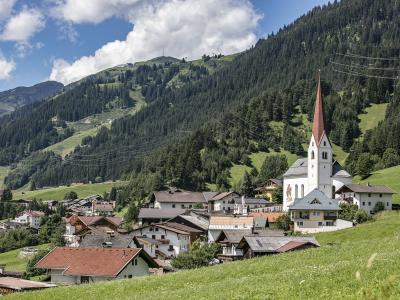
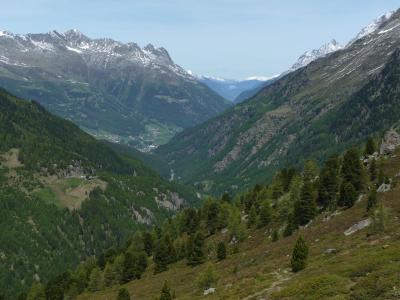
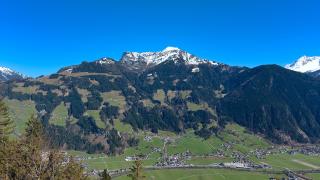
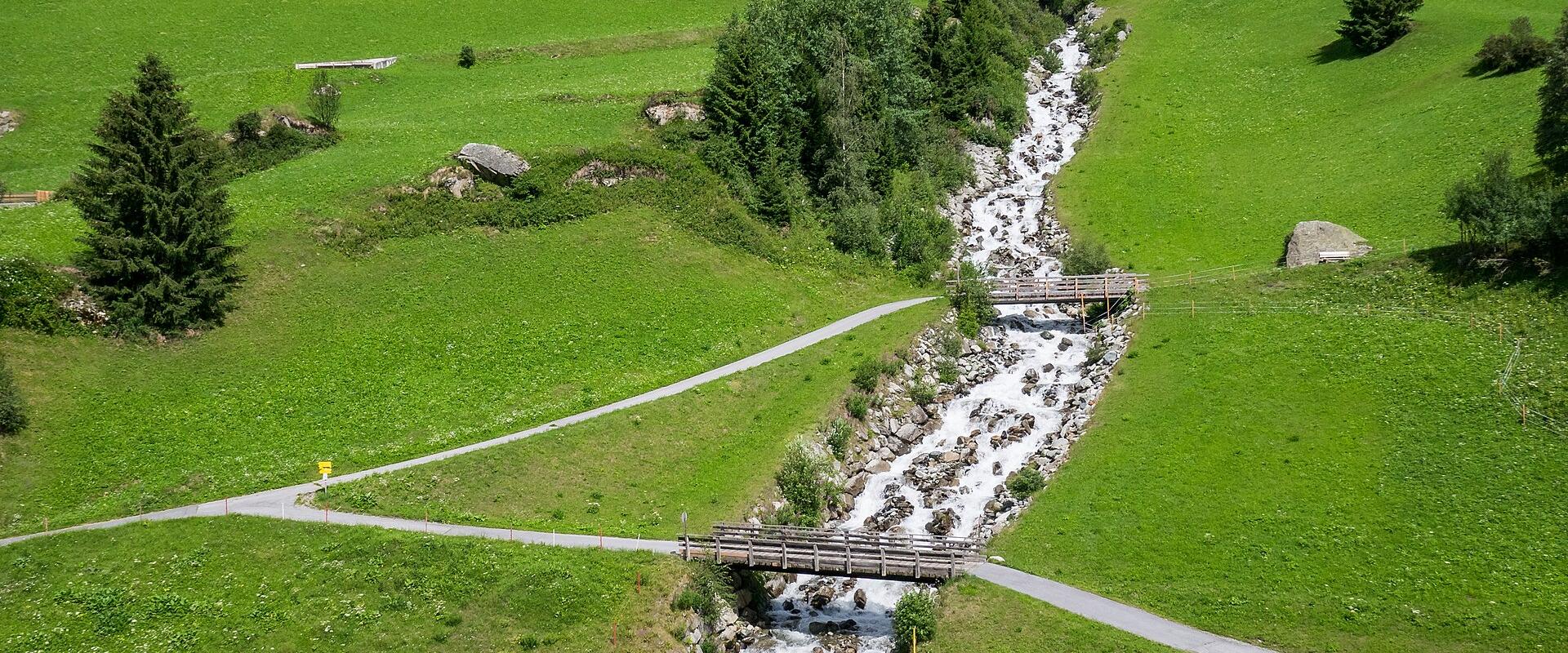
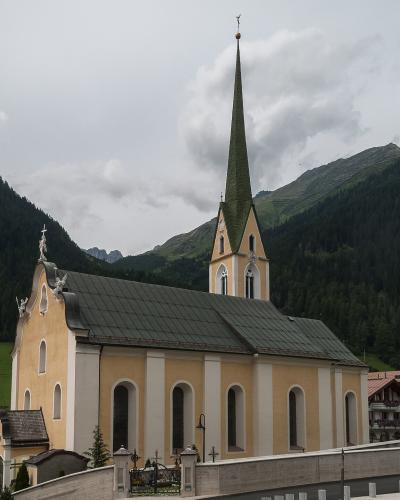
Ischgl lies at the head of the Paznaun, a long Alpine valley in the west of Tyrol that runs from the Arlberg road at Landeck toward the Silvretta range and the Swiss border. The village sits at about 1,380 metres on a terrace above the Trisanna river, with steep slopes rising on both sides to rocky summits above 2,800 metres. The Silvretta Alps form the high border with Vorarlberg and Switzerland.
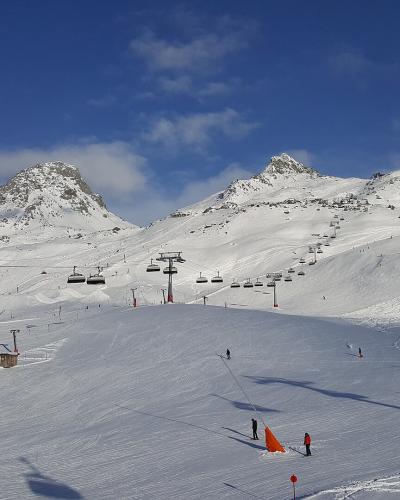
Ischgl grew from a farming and herding village into a ski resort from the 1960s. Today the Silvretta Arena, the ski area it shares with Samnaun in Switzerland, comprises about 240 kilometres of pistes served by modern lifts, mostly between 1,400 and 2,870 metres. The two villages are joined by a border crossing on skis, and Samnaun, a tax-free zone, is known for cheap shopping, which skiers sometimes visit for a lunch break. The terrain suits intermediates and advanced skiers, with a large number of wide, long pistes, some off-piste routes and several high snow-sure areas. The season usually runs from late November to early May.
The après-ski scene is famous. Mountain huts with loud music, bars on the slopes and in the village, and clubs open at night make Ischgl one of the liveliest ski resorts in Europe, and it is not a quiet place in winter. The season is opened and closed with large concerts on the Idalp, the main mid-mountain station, where international performers play outdoors to a crowd of skiers and snowboarders. Visitors who want peace should choose another valley, or a hotel on the edge of the village.
The village is also a gastronomic centre. A number of restaurants and hotels have a high reputation, from mountain huts serving Kaiserschmarrn and Tiroler Gröstl to gourmet dining rooms in hotels. Local Tyrolean dishes such as Kasspatzln, cheese noodles, and Knödel, dumplings, appear on most menus.
In summer, the character changes. The cable cars run for hikers, and the Silvretta mountains offer a dense network of walking trails, high alpine lakes and huts, from easy walks around the Idalp to long routes along ridges. The Ischgl Skyline Walk, a pedestrian suspension bridge in the area, gives a view of the valley. The Silvretta High Alpine Road, a toll road that climbs from the Paznaun to the Bielerhöhe pass at over 2,000 metres, leads to a reservoir, the Silvretta Stausee, where there is a walk around the shore and views of the Piz Buin, the highest peak in Vorarlberg. Mountain biking is popular, and a card for overnight guests includes lifts, buses and attractions.
The Paznaun valley's other villages, Galtür, Kappl and See, offer quieter bases. Galtür has a memorial and an Alpinarium that deals with avalanche history, after the disaster of 1999, and is worth a visit.
Ischgl was also the subject of worldwide news in March 2020, when a coronavirus outbreak spread from the resort, a reminder of the downsides of a busy international resort. Since then, the resort has changed some of its procedures.
The best time to visit is from December to April for skiing, with the best snow between January and March, and from late June to September for hiking. The village is quiet in May and from October to mid-November, when many businesses close.
Getting there is straightforward. The nearest railway station is at Landeck-Zams, on the Arlberg line, and a bus runs up the valley to Ischgl in about an hour. By car, the Arlberg road and the S16 expressway reach Landeck, then the valley road leads to the village, about an hour. Innsbruck airport is about two hours away, Zurich about three and Munich about three and a half. Within the village, ski buses and a free bus network serve the lifts.
Plan Your Visit to Ischgl
Essential travel tips and information for your trip to Ischgl.
Suggested Itineraries
One Day in Ischgl
1 dayPerfect for a quick visit. See the main highlights and get a taste of local culture.
Extended Ischgl Experience
2-3 daysComprehensive exploration including nearby attractions and cultural experiences.
Travel Tips
Currency
EUR • Cards widely accepted
Language
German • English in tourist areas
WiFi
Free WiFi in cafes and hotels
Explore Ischgl by Interest
Discover attractions and experiences in Ischgl organized by your interests and travel preferences.
All attractions in Ischgl
Sorted by our recommendation score
Quick Facts
Book your stay
Frequently Asked Questions
More destinations in Tyrol
Explore other amazing places in the Tyrol region