Strategic Itinerary Planning
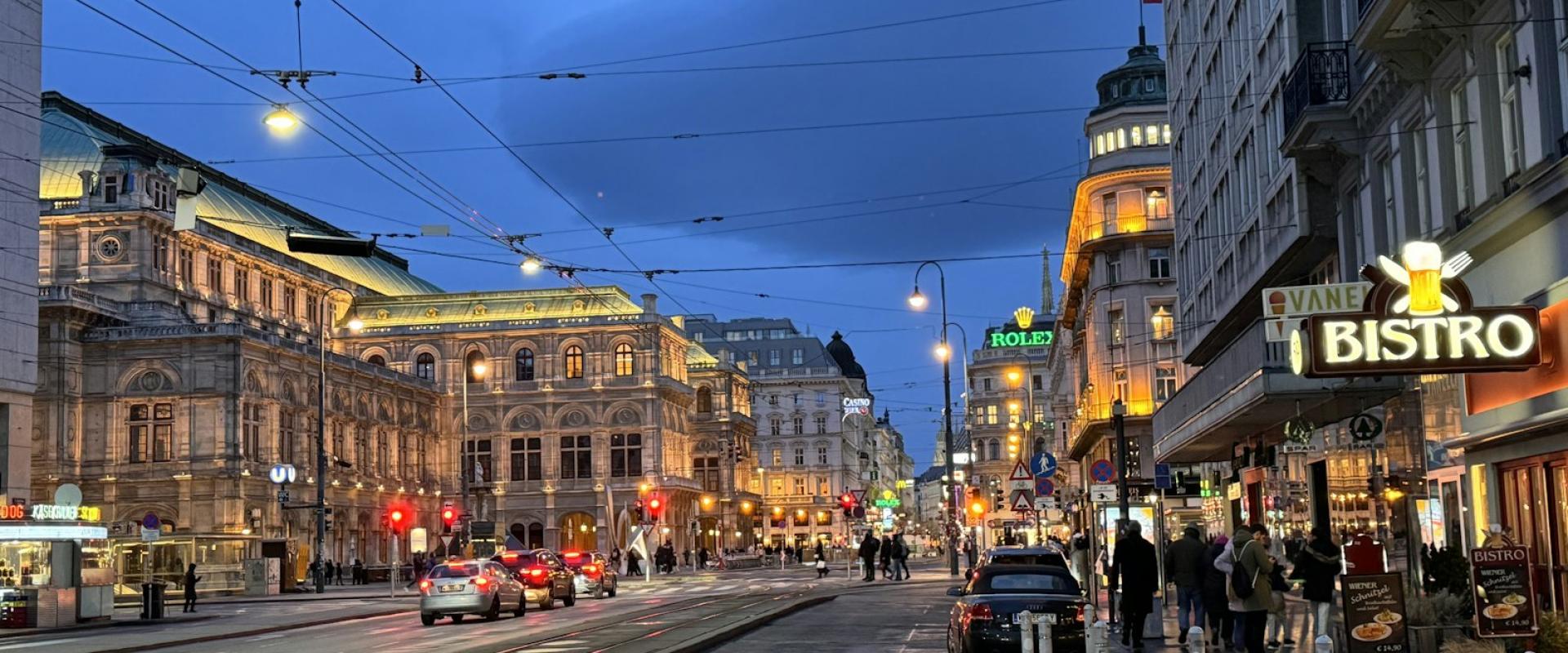
Group attractions by district to minimize transit time. The Innere Stadt holds the Hofburg and St. Stephen’s Cathedral. These sites cluster within a compact walkable zone. Plan two hours for the Imperial Apartments. Book Treasury tickets online to skip long queues. Prices start at €14.50 for standard entry. The Ringstrasse encircles the historic center. Rent a bike or take Tram 1 for views. This route covers major palaces and government buildings. Allocate half a day for this loop. Visit Schönbrunn Palace in Hietzing on day two. This site lies three kilometers from the center. Purchase a Vienna City Card for unlimited transit. The card costs €17 for 72 hours. It includes discounts for museums and tours. Use the U-Bahn for efficient cross-city travel. The MuseumsQuartier offers modern art and dining. Spend an afternoon exploring these cultural hubs. Naschmarkt provides local food options near the center. Reserve opera tickets at the Staatsoper weeks ahead. Tickets range from €10 to €150. Advance booking ensures availability for popular performances. Structure your days geographically to maximize efficiency. This approach reduces fatigue and transport costs. Focus on key landmarks to optimize your stay.
Vienna’s public transit system offers efficient connectivity across the city. The U-Bahn network features five lines serving major districts. Trams provide scenic routes along the Ringstrasse boulevard. Single tickets cost €2.40 for standard travel. Day passes are available for €8.10. The Vienna City Card includes unlimited transit access. It also offers discounts at over 200 attractions. Validate all paper tickets before boarding. Use yellow machines at stations or on trams. Fines for invalid tickets are steep and frequent. Airport transfers utilize the CAT or S-Bahn trains. The CAT takes 16 minutes to Stephansplatz. The S-Bahn takes 25 minutes for less cost. Taxis are available but significantly more expensive. Always carry exact change for small purchases. The system operates reliably from early morning until night. Night buses supplement the U-Bahn on weekends. Plan routes using the official Wiener Linien app. This tool provides real-time arrival information. It helps travelers avoid unnecessary waiting times. Keep tickets handy for random inspections. Inspectors wear uniforms and carry identification. Violations result in immediate fines on the spot. The network covers all major tourist sites efficiently.
Core Historical Landmarks
The Hofburg Palace complex houses the Imperial Apartments and the Treasury. Visit the Treasury early to avoid long queues. Tickets cost approximately €14.50 for standard entry. The Sisi Museum requires separate booking online. St. Stephen’s Cathedral dominates the Innere Stadt skyline. Entry to the main nave is free. Climbing the South Tower costs €4.50. Expect steep stairs and limited space. The Ringstrasse encircles the historic center. Key landmarks include the Parliament and City Hall. Walk or cycle along the boulevard for views. MuseumsQuartier offers modern art in historic buildings. The Leopold Museum charges €16 for adults. Visit on Friday evenings for extended hours. Crowd management is critical during peak season. Book all major attractions at least two weeks ahead. Use the Vienna City Card for discounted entry. It saves money on transport and museums. Avoid midday visits to St. Stephen’s. Morning hours offer better lighting for photos. The Hofburg Sisi Entrance provides direct access. This route bypasses the main ticket lines. Plan four hours for the Hofburg complex. Allocate two hours for the cathedral interior. The Ringstrasse loop is three kilometers long. Walking it takes approximately forty-five minutes. Public restrooms are available near major sites. Carry small change for coin-operated facilities.
Culinary and Cultural Stops
Vienna’s coffee houses demand specific etiquette. Order a Melange or Einspänner. You may linger for hours. Expect to pay €4 to €6 per cup. Cafés like Café Central remain popular. Arrive before 10 AM for seating. The Naschmarkt operates Tuesday through Saturday. Visit between 6 AM and 6 PM. Stalls offer fresh produce and international foods. Budget €15 for a substantial lunch. Dinner reservations are essential for top restaurants. Book at least three days in advance. Average main courses cost €18 to €25. For budget-friendly options, seek out Heurige. These wine taverns serve local Gruner Veltliner. Prices are significantly lower than city centers. A glass costs approximately €4.50. Many Heurige reside in Grinzing. Take the D41 tram to reach them. This option combines dining with cultural immersion. Avoid tourist traps near major landmarks. Walk ten minutes away for better value. Cash remains preferred in smaller establishments. Carry euros for seamless transactions. Plan meals around opening hours. Many kitchens close by 10 PM. This schedule allows for evening opera visits.
Seasonal Considerations and Booking
Vienna experiences distinct seasonal shifts affecting travel logistics. Peak summer months bring high tourist volumes. Book hotels three months in advance. Prices rise significantly during July and August. Shoulder seasons offer better value and comfort. Spring and autumn provide mild weather. Pack layers for unpredictable Austrian conditions. Winter brings cold temperatures and potential snow. The Christmas markets transform the city center. The Rathausplatz market opens in late November. Expect crowds despite the festive atmosphere. Reserve tickets for the Vienna Philharmonic early. Opera season runs from September to July. Tickets sell out weeks in advance. Winter clothing is essential from December to February. Bring waterproof boots for icy sidewalks. Public transit remains reliable year-round. However, tram delays occur during heavy snow. Book museum entries online to skip lines. The Belvedere requires timed entry slots. Avoid booking last-minute for popular attractions. Advance planning ensures a smoother city break experience in Austria.