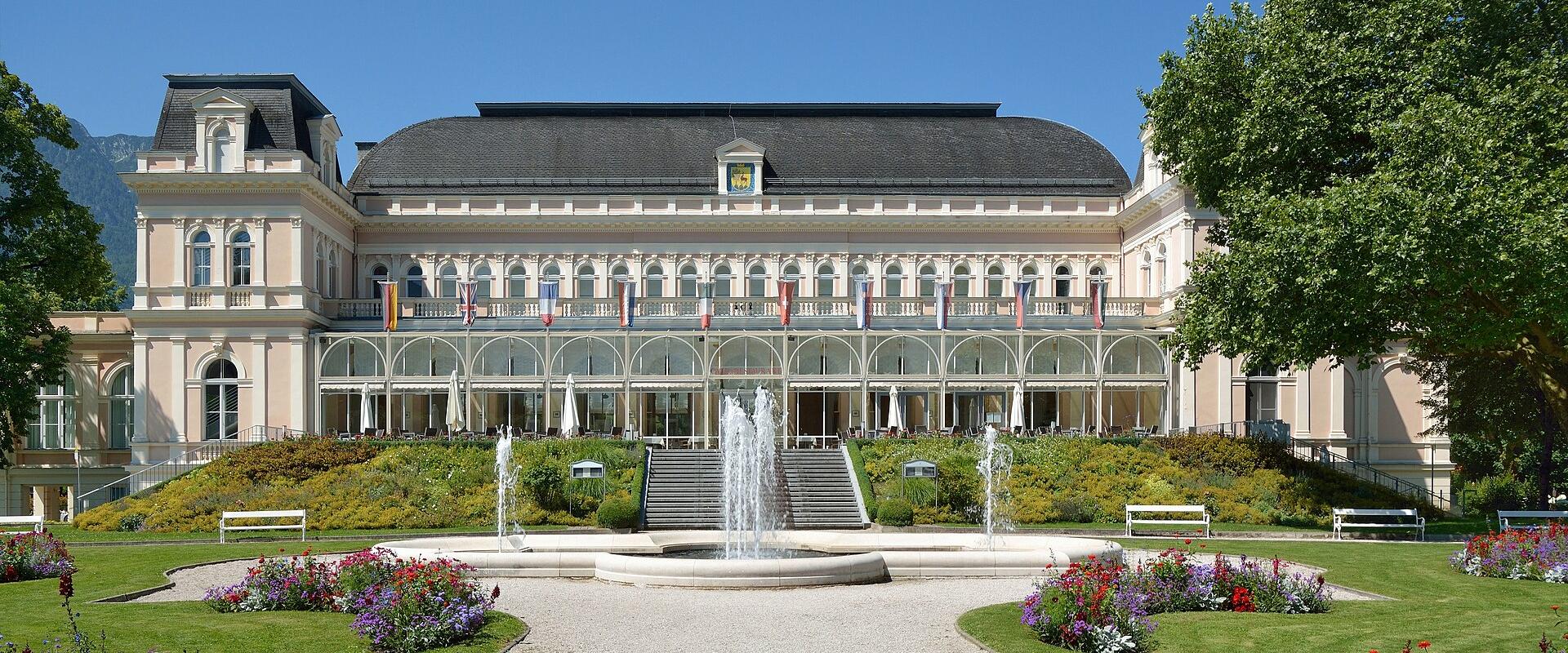
Bad Ischl
Imperial spa town in the Salzkammergut with thermal baths
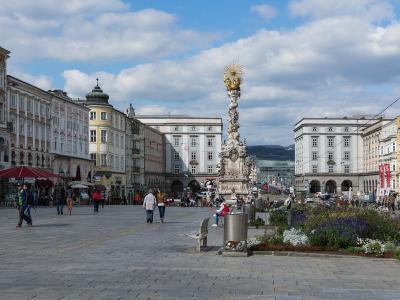
Bad Ischl lies in the centre of the Salzkammergut in Upper Austria, in a basin where the Traun river bends around the town and the Ischl stream joins it from the south. Forested hills rise on every side, with the Katrin and the Siriuskogl close to the centre and the limestone plateau of the Dachstein farther south. The town is small, at about 14,000 inhabitants, but it has the feel of a larger place, thanks to its imperial history and its wide pedestrian streets.
The salt trade first made the town. Salt was mined in the mountains above, and in the early nineteenth century physicians discovered that brine baths and inhalations from the salt works helped patients. In 1822, the doctor Franz Wirer began promoting the treatments, and the town became fashionable. Its decisive moment came in 1853, when Emperor Franz Joseph I, who had been invited to a hunt here, became engaged to Elisabeth, Duchess in Bavaria, known as Sisi. They married in the following year, and the emperor spent every summer in Bad Ischl for decades.
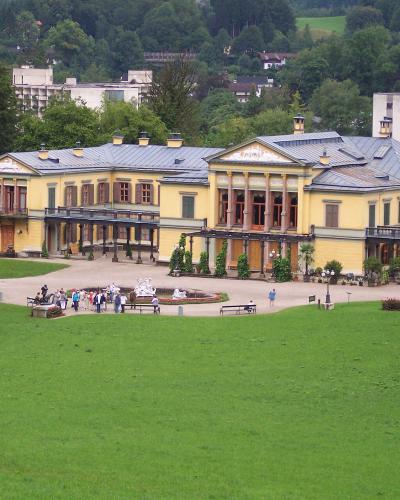
The Kaiservilla, the Imperial villa, is the main attraction, and the Habsburg court's summer routine shaped the town. It was a wedding present from Archduchess Sophie, and the emperor used it as a summer residence for 60 years. The rooms, with their hunting trophies, simple furniture and personal objects, show a more private side of the Habsburgs, and the Park includes the Marmorschlössl, a small marble pavilion used by Empress Elisabeth as a retreat. It was in the Kaiservilla that Franz Joseph signed the declaration of war on Serbia in July 1914, a fact that gives the villa a sombre side. Tours are available in several languages, and parts of the park are free.
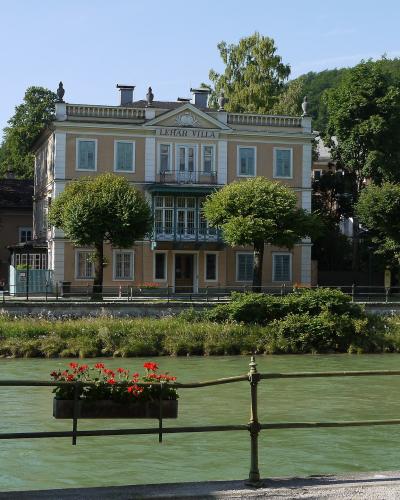
The town's other villas include the Lehár Villa, where the operetta composer Franz Lehár lived from 1912 until his death in 1948. His house is now a museum with the composer's piano, scores and furniture, and in summer the Lehár Festival Bad Ischl stages operettas in the Kurtheater. The Austrian tradition of operetta, light and sentimental, fits the town well, and Music is part of town life, from brass bands in the park to concerts in the Kurhaus.
Spa culture continues. The Eurotherme Bad Ischl, a modern thermal bath fed by local brine, offers pools, saunas and treatments, and the Kurpark and promenades along the Traun are the places for a stroll. A quiet cafe culture is part of the experience, and the famous pastry house on the Pfarrgasse has served the imperial family and still sells the Zaunerstollen, a chocolate and nougat pastry. Another dish with an imperial link is Kaiserschmarrn, a shredded pancake, said to have been created for Franz Joseph.
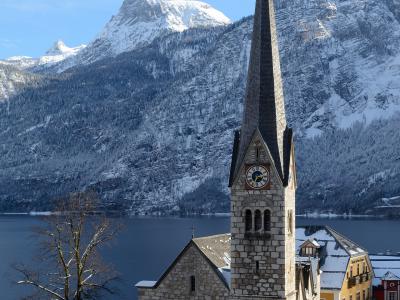
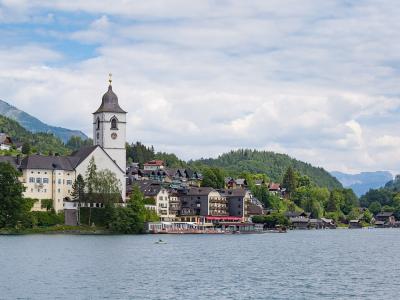
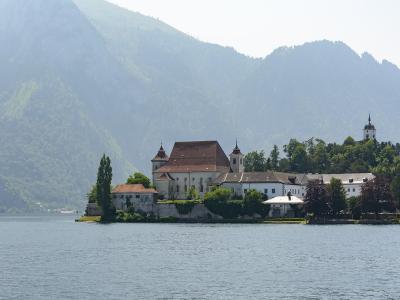
For outdoor activity, the Katrin Cable Car, the Katrinseilbahn, runs from the edge of town to a plateau at about 1,500 metres, with a panorama of the Dachstein, the Traunsee and the surrounding Mountain peaks and Mountains; Lake Traunsee and Lake Hallstatt lie within reach. Trails lead to the Siriuskogl, a wooded hill with a view tower, and to forest paths and cycle routes along the Traun River. In winter, cross-country skiing and small family areas operate nearby. The Salzkammergut lakes, including Wolfgangsee, Hallstatt, Traunsee and Mondsee, are within half an hour, and an excursion to Hallstatt, Gmunden or Salzburg is easy.
In 2024, Bad Ischl was the European Capital of Culture, along with the Salzkammergut region, which brought new exhibitions and events and attracted international attention. Local festivals include the Lehár Festival in July and August, the Advent and Christmas market, and an annual Fest in the park.
The best time to visit is from May to September for walking and concerts, with August the busiest. September is calmer and often sunny. Winters are cold and quiet, and the Advent season is attractive.
Getting there is easy. Bad Ischl is on the Salzkammergut railway, with direct trains from Attnang-Puchheim and regional services toward Hallstatt, and from Salzburg the journey takes about an hour and a half with a change. By car, Salzburg is about an hour away, Linz about an hour and a half and Vienna about three and a half hours. Local buses connect with the lakes, and the town centre is easy to walk.
Best Time to Visit
Visit from May to September for warm weather ideal for hiking, spa visits, and outdoor activities.
Did you know?
Interesting, verified facts about Bad Ischl
Bad Ischl Has Another Verifiable Detail
HistoryThe town is renowned for its thermal springs, elegant 19th-century architecture, and its role as a center for wellness and relaxation.
Source: Bad Ischl - WikipediaPlan Your Visit to Bad Ischl
Essential travel tips and information for your trip to Bad Ischl.
Suggested Itineraries
Travel Tips
Currency
EUR • Cards widely accepted
Language
German • English in tourist areas
WiFi
Free WiFi in cafes and hotels
Explore Bad Ischl by Interest
Discover attractions and experiences in Bad Ischl organized by your interests and travel preferences.
All attractions in Bad Ischl
Sorted by our recommendation score
Quick Facts
Book your stay
Frequently Asked Questions
More destinations in Upper Austria
Explore other amazing places in the Upper Austria region