
Historical Origins
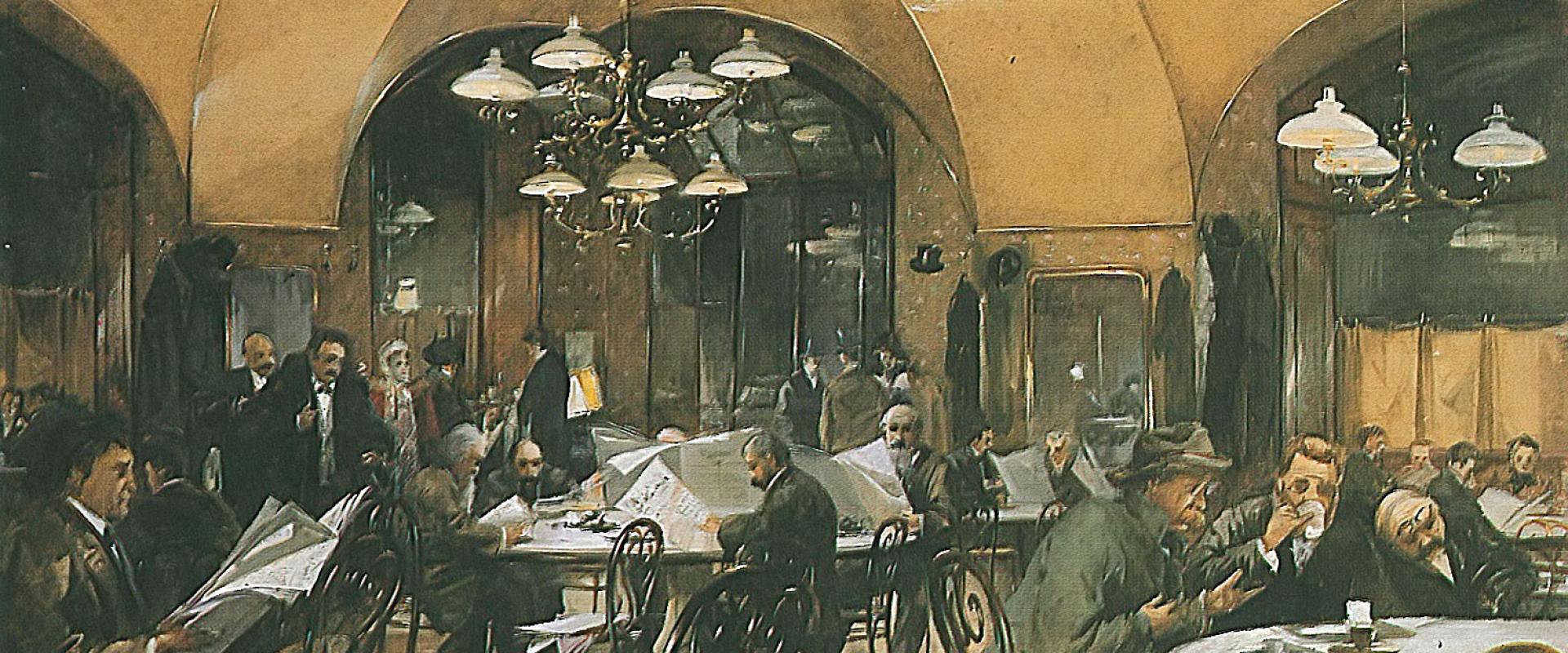
Viennese coffee culture holds UNESCO Intangible Cultural Heritage status. This designation recognizes Austria’s unique social tradition. The practice began after the 1683 Siege of Vienna. Ottoman troops left behind coffee beans in their retreat. Local bakers, like Franz George Kolschitzky, experimented with these beans. They added honey and milk to suit local tastes. This innovation created the first Viennese coffeehouse. These establishments quickly became central to urban life. They evolved into a 'second living room' for citizens. Intellectuals, artists, and politicians gathered there daily. The atmosphere encouraged prolonged stays and deep conversation. Many famous writers spent hours reading newspapers. They discussed politics and art over long tables. The architecture reflects this 18th and 19th-century social life. Grand mirrors and marble tables define the classic style. Patrons can sit for hours with a single Melange. The average cost remains affordable for extended visits. This tradition distinguishes Austria from other European nations. Coffee is not just a beverage here. It is a cornerstone of national identity. The culture persists strongly in modern Vienna today.
Viennese coffeehouses serve specific local beverages. Order these standard drinks for an authentic experience. A Melange is Austria’s answer to cappuccino. It uses steamed milk and foam. However, it differs from Italian versions. The coffee base is often milder. A Verlängerer is a simple black coffee. Baristas dilute espresso with hot water. This drink resembles a long black. An Einspänner features strong espresso. It is topped with whipped cream. You drink it through a straw. Cakes are served on separate plates. This prevents crumbs from contaminating the coffee. Traditional pastries include Sachertorte and Apfelstrudel. Sachertorte is a dense chocolate cake. It comes with unsweetened whipped cream. Apfelstrudel features spiced apple filling. Prices typically range from €3 to €5 per pastry. A coffee costs approximately €2.50. You can sit for hours. Staff do not rush your table. The culture values lingering over drinks. Bring a book or newspaper. Reading material is expected and welcome. Cash is still preferred by many houses. Cards are accepted in most locations. Always check the menu for daily specials. These often feature seasonal fruit strudels. The experience is about relaxation. Enjoy the slow pace of Vienna.
Etiquette Rules
Viennese coffeehouses operate as social living rooms. Patrons expect to linger for hours. You pay for the table space, not just the drink. Slow consumption is the standard norm. Do not rush your coffee. Service is strictly table-based. Wait for the Ober to take your order. Do not wave or shout for attention. The Ober manages multiple tables with precision. Tipping is customary and expected. Round up the bill or add five percent. Ten percent is generous for exceptional service. Cash is preferred by many traditional establishments. Smoking rules vary by venue. Many cafes allow smoking on outdoor terraces. Indoor smoking is often prohibited by law. Check specific house rules before ordering. Bring a book or newspaper. Reading material is culturally accepted and common. Laptops are less traditional but tolerated. Avoid loud conversations or phone calls. Respect the quiet, contemplative atmosphere. This etiquette preserves the historic Viennese experience. Following these rules shows cultural respect. Locals appreciate visitors who understand these norms. The ritual is as important as the beverage. Enjoy the slow pace of Viennese life.
Venue Selection
Austria’s Federal Ministry lists historic coffee houses as protected heritage sites. This official registry helps travelers identify authentic establishments. You can verify a venue’s status online before visiting. Famous landmarks like Café Central and Hotel Sacher attract global tourists. These venues offer grand architecture but often charge premium prices. Expect to pay over €5 for a standard Melange. Local neighborhoods provide a more genuine and affordable experience. Seek out cafes in districts like Josefstadt or Alsergrund. Authentic spots feature distinct visual cues. Look for patrons reading physical newspapers like Der Standard. Observe locals lingering for hours without ordering extra items. Avoid venues in high-traffic tourist zones near major squares. These locations often serve lower-quality coffee to quick customers. Traditional Viennese culture emphasizes slow consumption and table service. Do not expect takeaway options in historic venues. The atmosphere is designed for lingering, not rushing. Compare the ambiance of a local neighborhood cafe against a landmark. The former offers better value and cultural immersion. The latter provides historical significance and architectural grandeur. Choose based on your priority: authenticity or spectacle. Always check if the venue is on the official heritage list. This ensures you support preserved Austrian traditions. Avoid chains that mimic the style without the history. True Viennese coffee houses maintain specific service standards. Staff will bring water and a glass of cold water. This tradition dates back to the 19th century. It remains a standard practice in authentic venues today.
Practical Tips
Viennese coffeehouses charge premium prices for table service. Expect to pay €4 to €6 for a standard coffee. This fee covers the right to linger for hours. Cash remains the preferred payment method in traditional establishments. Always carry Euros for small transactions and tips. Leave a 5% to 10% tip for good service. Round up the bill or leave coins on the table. Basic German phrases enhance your experience significantly. Order a "Melange" for a creamy coffee with milk. Ask for "Stehkaffee" if you prefer standing at the bar. Respect the quiet atmosphere typical of historic venues. Loud conversations are discouraged in these elegant settings. Most cafes open early, around 7:00 AM. They remain open late, often until 7:00 PM or later. Some historic houses close for a midday break. Always check specific opening hours before visiting. Service is attentive but formal. Wait for your server to take your order. Do not expect rapid turnover or takeaway options. The experience is about slow, deliberate enjoyment. Bring a book or newspaper to occupy your time. This is the standard practice for locals. Avoid peak lunch hours for a quieter experience. Vienna’s coffee culture is a distinct social ritual. It requires patience and appreciation for tradition.