Vienna
Austrian capital known for imperial palaces
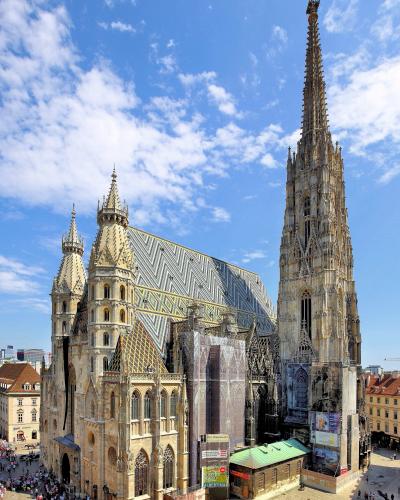
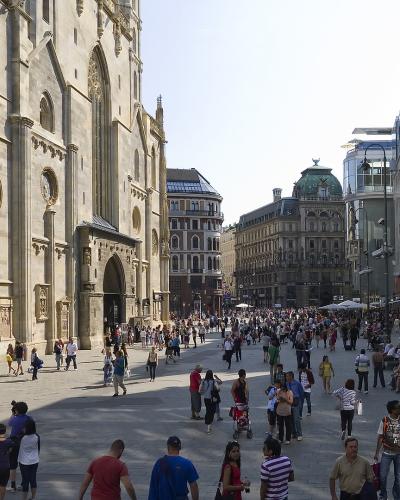
Vienna is a city to be explored by district. The first district, the Innere Stadt, is the historic core, a roughly circular area bounded by the Ringstrasse, the boulevard laid out in the second half of the nineteenth century where the old fortifications once stood. Along the Ring stand the State Opera, the Parliament, the City Hall, the University and a series of museums, all built in grand historicist styles. Inside the ring, the streets are narrower and older, and they converge on St. Stephen's Cathedral, the Stephansdom, whose Gothic spire and patterned roof tiles are the symbol of the city. Around it, Stephansplatz is the busiest meeting point in the centre.
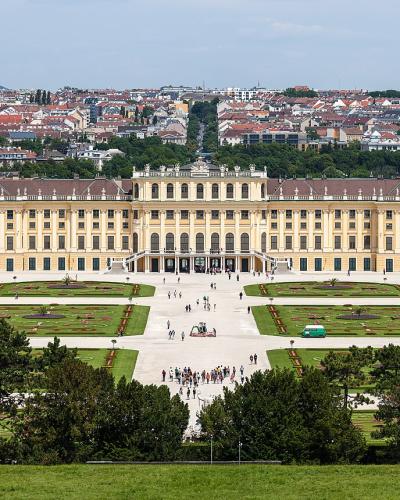
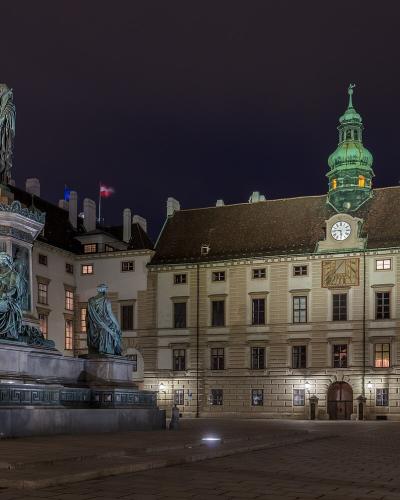
The imperial heritage is concentrated in the Hofburg, a complex that grew over seven centuries and served as the primary residence of the Habsburg dynasty. Today it contains the Imperial Apartments, the Silver Collection, the Spanish Riding School, the Austrian National Library and the Sisi Museum, as well as the offices of the Austrian president. A short drive or underground ride away, Schönbrunn Palace is the other great imperial site. The palace, with its yellow façade, formal gardens and zoo, gives a picture of court life under Maria Theresa and later under Franz Joseph. Tickets to both should be booked in advance in high season.
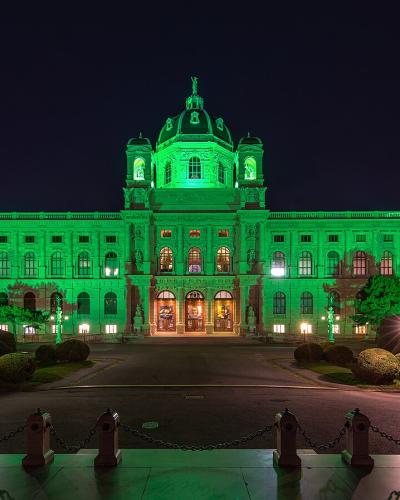
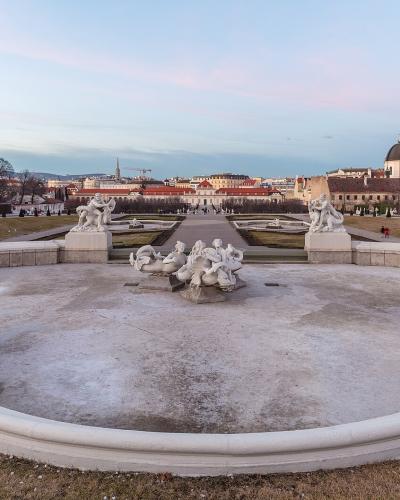
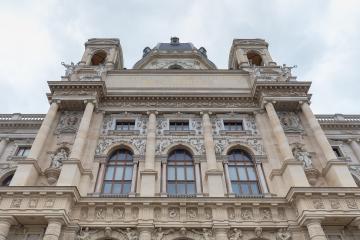
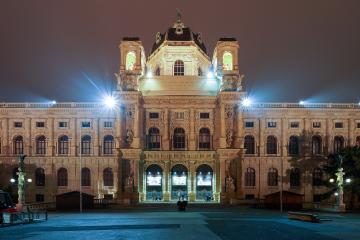
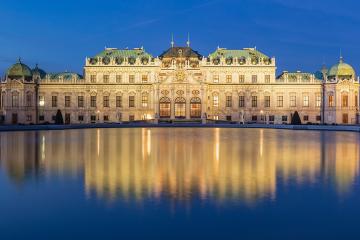
Art is a major draw. The Kunsthistorisches Museum, opposite the Natural History Museum, is built around the collections amassed by the Habsburgs, and its Bruegel room and Vermeer are among the highlights. The Belvedere, a Baroque palace with an Upper and a Lower building, contains the world's largest collection of paintings by Gustav Klimt, including The Kiss, and Belvedere 21 shows contemporary work. Smaller museums, from the Leopold Museum, with its Egon Schiele collection, to the Albertina, expand the range.
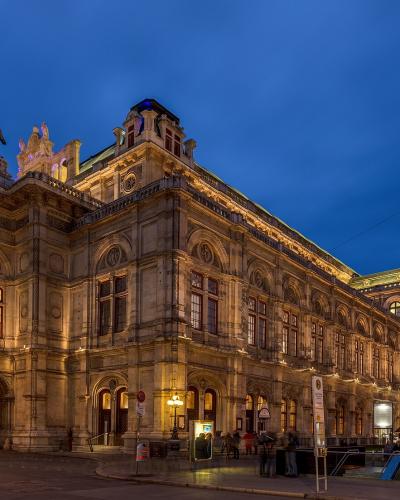
Music remains part of everyday life. Vienna was home to Haydn, Mozart, Beethoven and Schubert, and later to the Strauss family, who made the waltz a symbol of the city, and to Mahler and Schoenberg. The Vienna State Opera, on the corner of the Ring, stages performances almost every evening of the season, and standing-room tickets sold on the day are an affordable way in. The Musikverein is the home of the Vienna Philharmonic and its New Year's Concert. Smaller venues offer chamber music, jazz and organ recitals.
Coffee-house culture was recognised by UNESCO as intangible heritage. The traditional café has marble tables, newspapers on wooden holders and waiters in black, and customers are expected to linger. A Melange, similar to a cappuccino, with a slice of Sachertorte or an apple strudel, is a classic order. Food in Vienna goes beyond sweets: Wiener Schnitzel, breaded veal fried in butter, Tafelspitz, boiled beef with horseradish, and goulash are staples, and the heuriger wine taverns on the edge of the city serve new wine with cold platters.
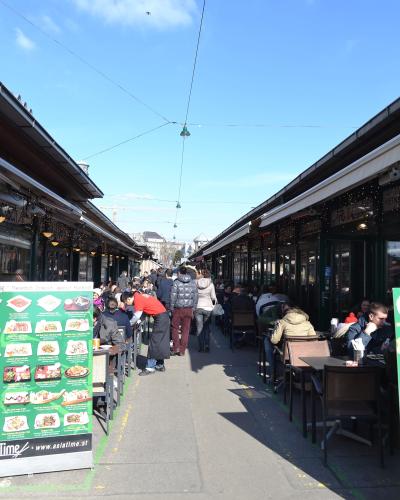
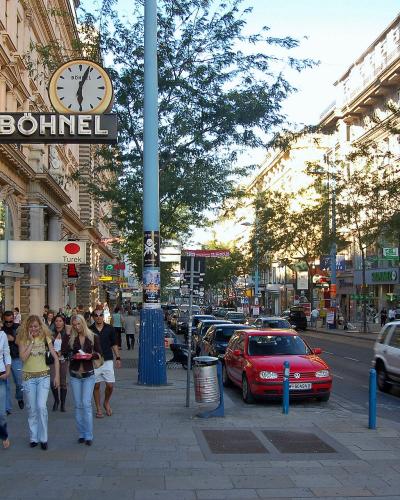
The Naschmarkt, a long market near the Wienzeile, is the best-known food market, with stalls selling spices, olives, cheese, fish and snacks, and with cafes at the edges. On Saturdays, a flea market takes place at the western end. For shopping, Mariahilfer Straße is the main commercial street, and Shopping City Süd, south of the city, is the largest mall in the country.
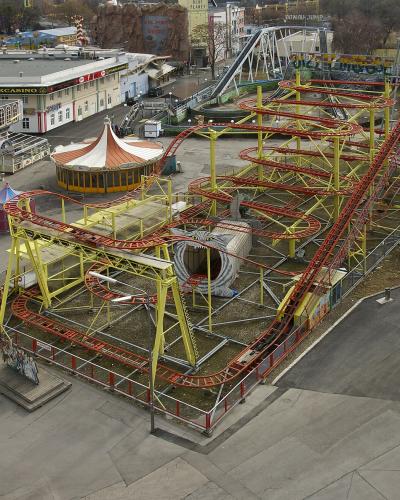
Green space is generous. The Prater, a former imperial hunting ground east of the centre, includes a large park, a funfair and the Riesenrad, the giant Ferris wheel from 1897. The Danube Island offers swimming and cycling, the Vienna Woods begin at the western edge of the city, and vineyards climb the hills of Grinzing and Nussdorf. Public parks and gardens, including the one at Schönbrunn, are used for walks all year.
The best times to visit are spring and autumn, when the weather is mild and the city is less crowded than in midsummer. December brings Christmas markets, and winter is the main season for balls and concerts. Summer can be hot, but many people spend evenings in garden restaurants and along the Danube canal.
Getting around is simple. The underground, trams and buses form a dense network with integrated tickets, and the city centre is compact enough to cover on foot. Vienna airport is about 20 minutes from the centre by train, and the main railway station, the Hauptbahnhof, links the city with Salzburg, Graz, Prague, Budapest and Munich.
Did you know?
Interesting, verified facts about Vienna
The Third Man Was Shot in Vienna's Real 1830s Sewers
Film & TVCarol Reed's 1949 film noir "The Third Man," starring Orson Welles as black-market penicillin racketeer Harry Lime, was filmed on location in Vienna -- including the Giant Ferris Wheel in the Prater, the Zentralfriedhof cemetery, and the city's actual cholera canals built in the 1830s. The famous Ferris wheel confrontation was staged at the real Riesenrad, though the cabin interior was recreated at Shepperton Studios in London. Vienna's Burgkino cinema still screens the film regularly.
Source: Vienna Tourist Board (wien.info)Vienna Is Shaped by a River
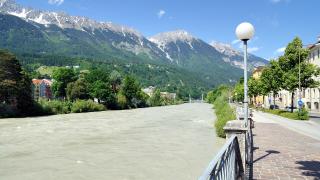
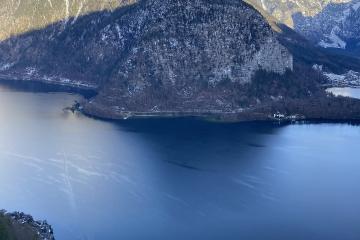
HistoryThe iconic Danube River flows through the landscape, providing a scenic backdrop to the city’s many cultural landmarks.
Source: Danube Basin: Facts & Figures | ICPDRPlan Your Visit to Vienna
Essential travel tips and information for your trip to Vienna.
Suggested Itineraries
One Day in Vienna
1 dayPerfect for a quick visit. See the main highlights and get a taste of local culture.
Extended Vienna Experience
2-3 daysComprehensive exploration including nearby attractions and cultural experiences.
Travel Tips
Currency
EUR • Cards widely accepted
Language
German • English in tourist areas
WiFi
Free WiFi in cafes and hotels
Explore Vienna by Interest
Discover attractions and experiences in Vienna organized by your interests and travel preferences.
All attractions in Vienna
Sorted by our recommendation score