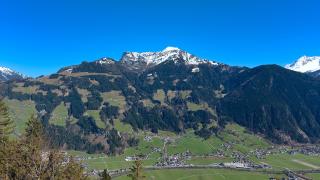
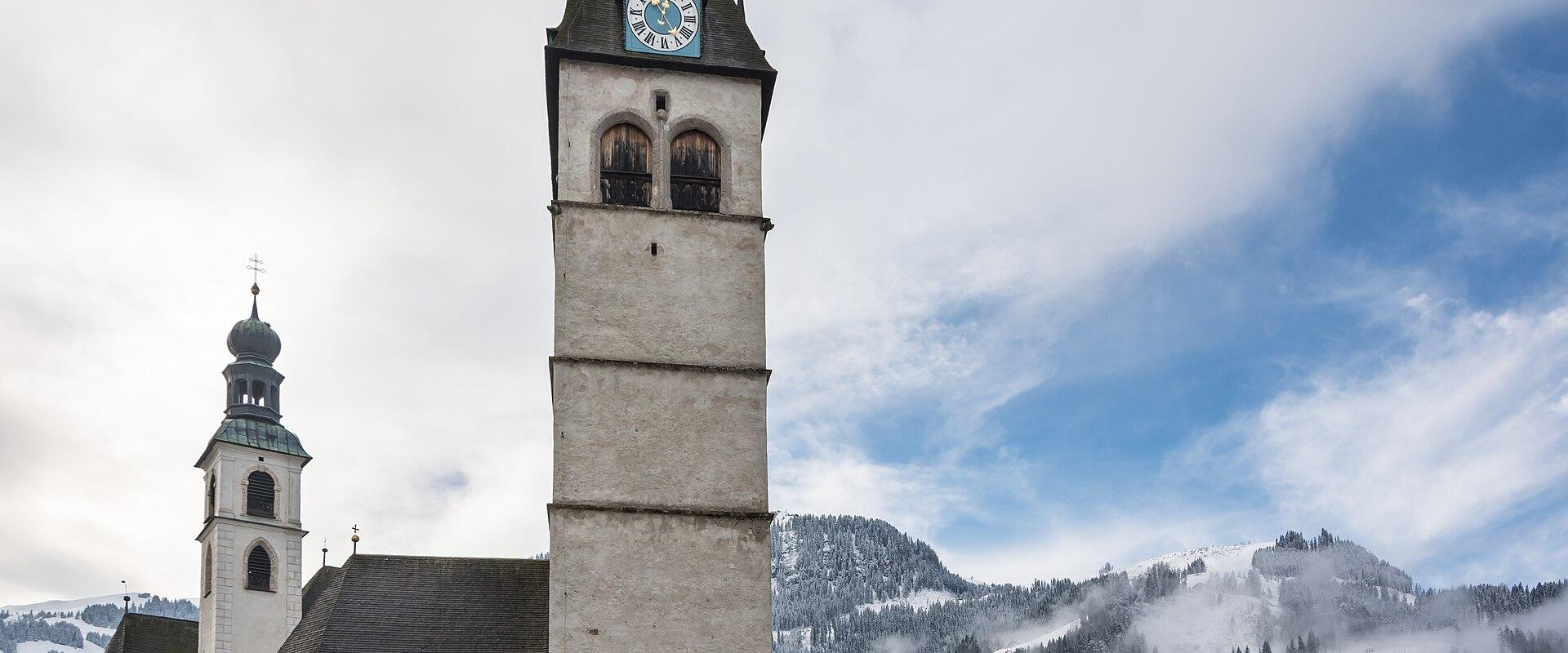
Kitzbühel lies in the valley of the Kitzbüheler Ache in the east of North Tyrol, about 100 kilometres east of Innsbruck and 30 kilometres from the Salzburg border, surrounded by grassy, rounded mountains, the Kitzbühel Alps, that suit skiing and walking better than they suit climbing. To the north-east, the Kitzbüheler Horn rises to about 1,996 metres, and to the south the Hahnenkamm and the Pengelstein dominate the ski slopes. The town has about 8,000 inhabitants and calls itself the Gamsstadt, the chamois town, after the animal on its coat of arms.
The settlement was chartered in 1271, and its wealth came first from mining: copper and silver were extracted from the mountains in the late Middle Ages. The old town, built along two parallel streets, the Vorderstadt and the Hinterstadt, has barely changed in layout since then. Houses with colourful façades, bay windows and curved gables lead to the Liebfrauenkirche and the parish church of St. Andrew, with its Gothic tower, and the Hinterstadt, one of the town's two main streets, is the place to sit and watch life go by. A small museum in the old granary, the Kitzbühel Museum, shows local history and the paintings of Alfons Walde, who lived and worked in the town.
Skiing arrived early. In 1893, a local shopkeeper, Franz Reisch, brought skis from Norway, and he is regarded as the pioneer of skiing in Tyrol. The first ski races in the area followed in the early twentieth century, and Kitzbühel became fashionable among European royalty and, after the Second World War, among film stars and sports personalities. Today the KitzSki area has around 230 kilometres of pistes, joined with Mittersill and Pass Thurn, and a large lift system with modern gondolas.
The Hahnenkamm race is the centrepiece of the winter calendar. Held every January since 1931, it features a downhill on the Streif, a 3.3-kilometre course with a drop of more than 860 metres and sections such as the Mausefalle, a jump over a steep drop, and the Hausbergkante, before a final traverse and finish where skiers reach up to 150 kilometres per hour. A slalom and a super-G also take place during the weekend. The race draws tens of thousands of spectators to the finish area and fills the town with parties. Visitors can ski or walk part of the Streif on other days, with a sense of the course's steepness, and the Ski Museum in Kitzbühel tells the history of the race. Booking accommodation for race week must be done long in advance.
Culturally, the town has a long link with painters. Alfons Walde, who painted snow-covered farms and skiers in a clear, modern style in the 1920s and 1930s, is the best-known, and his work is shown in galleries. The town also hosts summer concerts, an international tennis tournament in July and polo and horse events, which fit its upscale profile.
In summer, the landscape suits walking and cycling. The Kitzbüheler Horn can be reached by cable car or by a toll road, and its summit has a view over the Kitzbühel Alps, the Wilder Kaiser and the Hohe Tauern. Marked hiking routes cross the Hahnenkamm and the surrounding meadows, and mountain biking routes are numerous. The Schwarzsee, a small lake with a bathing area just outside town, offers a warm swim and a walk through the moor. Golf courses lie in the valley.
Food is Tyrolean, with an upmarket edge. Tiroler Gröstl, Kasspatzln, Kaiserschmarrn and venison appear on menus, and the town has an unusually high number of well-regarded restaurants and bars. Shops include boutiques and long-established sports retailers.
The best times to visit are from December to March for skiing, with January for the race, and from June to September for walking and cycling. Spring and late autumn are quiet and many businesses close.
Getting there is easy. Kitzbühel has a railway station on the line between Innsbruck and Salzburg, with direct trains from Innsbruck in about an hour and a quarter and from Munich with a change at Wörgl. By car, the road from the A12 at Wörgl leads to the town in about 30 minutes, and the Pass Thurn road leads south to Mittersill. Salzburg is about an hour and a half away and Innsbruck about an hour and a quarter.
What to see in Kitzbühel
Our picks first.
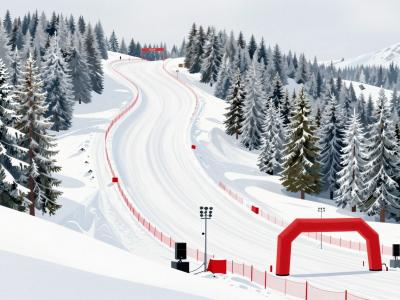
Hahnenkamm Race Course
Steep alpine ski slope in the Austrian Alps
Mountain Hiking · Ski Resorts
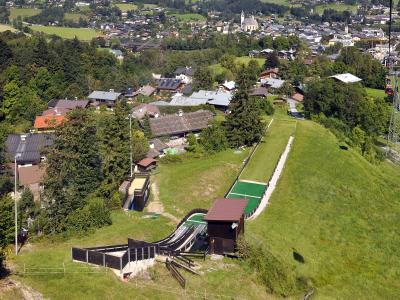
Kitzbühel Arena
Alpine ski resort in the Austrian Alps
Mountain Hiking · Ski Resorts
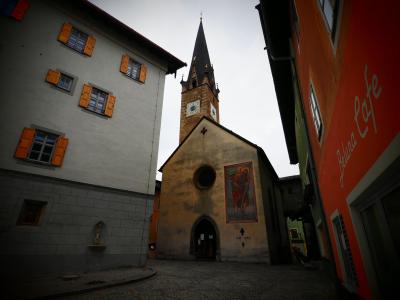
Old Town (Altstadt)
Medieval Alpine town centered on the Vorder and Hinter di...
Free Historic Districts · Old Towns
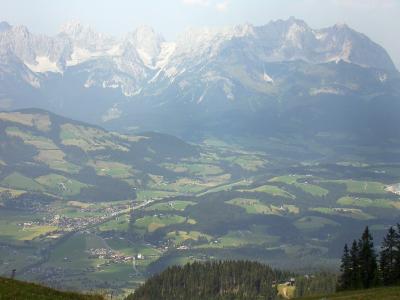
Hahnenkamm Mountain
Kitzbühel Alps 1,712m summit
Mountain Hiking · Ski Resorts
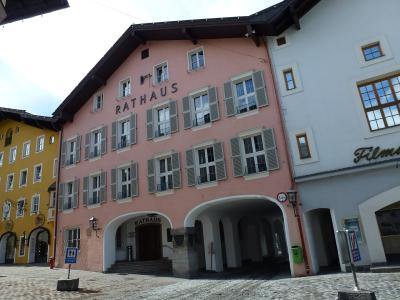
Rathausplatz (Town Square)
Historic town hall in Kitzbühel's pedestrian zone
Historic Districts · Old Towns
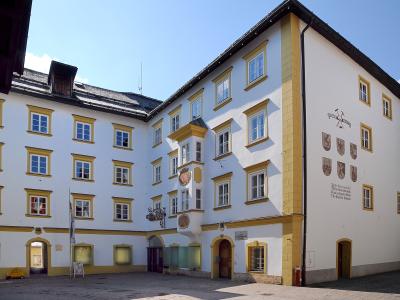
Kitzbühel Museum
Kitzbuhel's history in a historic 16th-century house
Historic Houses · Local History
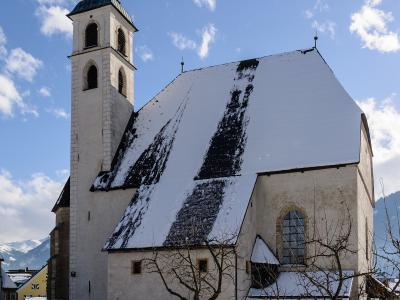
St. Michael's Church (St. Michaelskirche)
15th-century Gothic church in Kitzbühel
Architectural Highlights · Old Towns
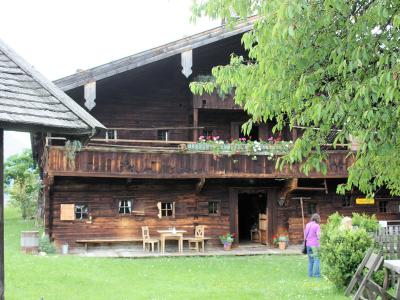
Kitzing Museum
Kitzbühel history from Middle Ages to mining
Historic Houses · Local History
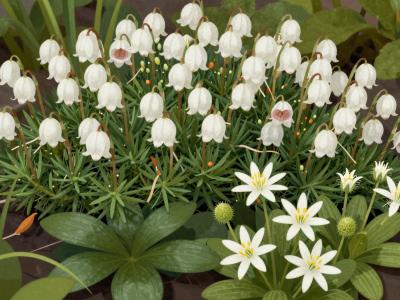
Alpine Garden (Alpiner Garten)
20,000 sqm mountain garden near Kitzbüheler Horn
Natural Wonders · Walking Tours
Kitzbühel by interest
The same sights, grouped by what you came for.
Did you know?
Checked facts about Kitzbühel, each with its source.
-
Notable Person
Kitzbühel's Toni Sailer Swept 1956 Olympic Gold
Kitzbühel native Toni Sailer became the first alpine skier in history to win all three Olympic gold medals -- downhill, slalom, and giant slalom -- at a single Games, at Cortina in 1956, aged just 20. His winning margins were enormous: 3.5 seconds in the downhill and a staggering 6.2 seconds in the giant slalom. Only Jean-Claude Killy has ever matched the feat since.
Source: International Skiing History Association
Planning a visit to Kitzbühel
Good to know
- Currency
- EUR
- Language
- German