

Climate-Driven Layering
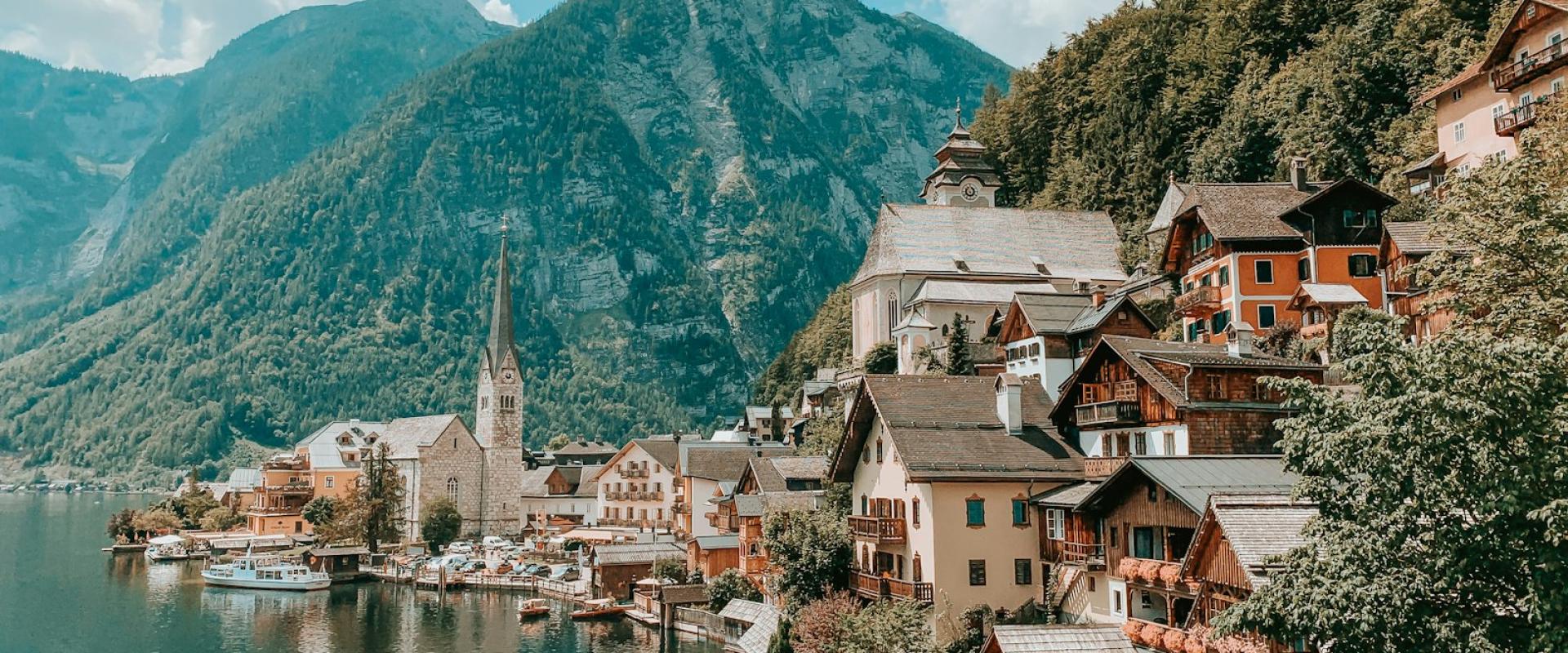
Austria’s alpine climate demands precise layering for varied elevations. Base layers must wick moisture, avoiding cotton entirely. Merino wool suits Tyrolean trails best. Mid-layers provide insulation against rapid altitude shifts. Pack fleece jackets for daytime hikes in the Alps. Temperatures drop significantly above 2,000 meters. Waterproof outer shells are essential for sudden alpine storms. These protect against rain in the Salzkammergut region. Thermal gear is mandatory for winter alpine conditions. Insulated boots grip icy paths in Innsbruck. Layering allows adjustment during transit between valleys. This strategy ensures comfort across diverse Austrian microclimates. Prioritize breathable fabrics for active days in Salzburg. Avoid heavy items that restrict movement. Quick-dry materials handle humidity in lower regions. Proper layering prevents hypothermia during unexpected weather changes. This approach is critical for safety in remote areas. Always check local forecasts before heading into the mountains. Adapt your pack based on specific regional conditions. This method optimizes space and functionality effectively.
Footwear for Terrain
Austrian cities feature uneven cobblestones, particularly in Vienna and Salzburg. Wear supportive walking shoes with thick soles to prevent ankle strain. These stones are slippery when wet, requiring sturdy grip. Alpine trails demand high-ankle boots for stability on rocky paths. The Alps rise sharply, making ankle support critical for safety. Bring waterproof boots for unpredictable mountain weather conditions. Trail runners suit maintained summer paths in the Tyrol. They offer breathability for long hikes above 2,000 meters. Pack lightweight sandals for indoor use in mountain huts. Austrian huts enforce strict etiquette regarding outdoor footwear. Remove boots before entering sleeping quarters to maintain hygiene. This rule applies to all DAV and AV huts. Expect to carry extra weight if buying boots locally. Prices in Innsbruck range from 150 to 300 euros. Quality footwear prevents blisters on steep ascents. Prioritize broken-in shoes before arriving in Austria. New boots cause immediate discomfort on cobblestone streets. Ensure socks are merino wool for moisture control. This material regulates temperature during rapid elevation changes. Pack one pair for city, one for trails. This minimizes luggage while maximizing comfort and safety.
Cultural Attire and Etiquette
Austrian religious sites enforce strict dress codes. Visitors must cover shoulders and knees at all times. This rule applies to St. Stephen’s Cathedral in Vienna. It also governs access to Salzburg’s Dom. Pack lightweight scarves for unexpected visits. These items provide necessary modesty without bulk. Fine dining establishments in Vienna expect smart-casual attire. Men should wear collared shirts and closed shoes. Women should choose dresses or tailored trousers. Jeans and sneakers are often prohibited. Respect local conservative norms in rural areas. Tyrolean villages prefer neat, understated clothing. Avoid loud patterns or revealing cuts. Business meetings require formal suits and ties. Punctuality and professional appearance remain paramount. Pack versatile layers for indoor heating. Temperatures vary significantly between streets and halls. A blazer adds necessary polish to casual outfits. Ensure all garments are wrinkle-resistant. Ironing facilities are rare in smaller hotels. Prioritize comfort for walking while maintaining dignity. This balance ensures respectful cultural engagement. Pack one formal outfit for special occasions. This approach minimizes luggage weight effectively.
Health and Safety Essentials
Pack prescription medications with a doctor’s letter on letterhead. Austrian pharmacies require this for controlled substances. Bring OTC remedies for diarrhea and motion sickness. Pharmacies display a green cross sign. They are widespread in Vienna and Innsbruck. Carry spare vision aids for alpine glare. High UV levels occur above 2,000 meters. Pack a basic first-aid kit for blisters. Include adhesive plasters and antiseptic wipes. Insulin and inhalers need extra supplies. Delays in Tyrol may last hours. Check insurance coverage for mountain rescue. Helicopter evacuation costs exceed €5,000 without coverage. Carry cash for remote mountain huts. Credit cards are not always accepted. Pack hand sanitizer for public transport. Austrian trains can be crowded in summer. Keep emergency contacts in your wallet. Include your hotel’s address in German. This helps locals assist you quickly. Prepare for sudden weather changes in the Alps. Layering protects against hypothermia risks.
Logistical Gear and Adapters
Austria uses Type F and C power outlets. These supply 230V electricity across the nation. Bring compatible adapters for electronic devices. Secure valuables in city accommodations. Use lockable luggage for Vienna and Salzburg hotels. Theft risk exists in crowded tourist zones. Carry a money belt for daily expenses. Tap water is safe and potable nationwide. Fill reusable bottles at public fountains. This reduces plastic waste significantly. Power banks are essential for remote areas. Alpine trails often lack charging stations. Download offline maps before hiking. Cellular service drops in deep valleys. Use apps like Kompass for navigation. These tools ensure connectivity in the Alps. Pack a small first-aid kit. Include blister plasters for long walks. Austrian pharmacies are marked with a green cross. They operate extended hours in cities. Keep digital copies of all documents. Store them securely in cloud storage. This aids recovery if items are lost. Prepare for sudden weather changes. Layering remains critical for alpine conditions.