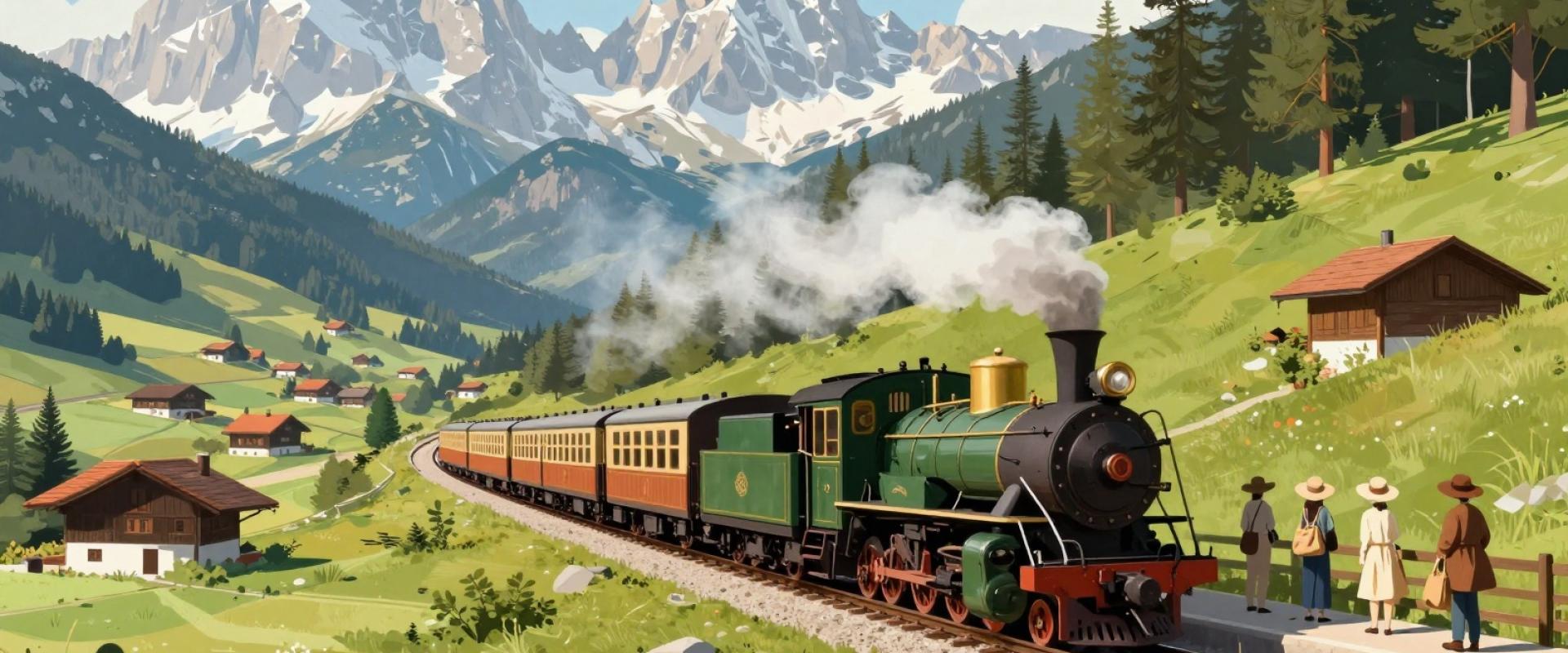
ÖBB operates Austria’s primary rail infrastructure. Travelers must distinguish between service types. Railjet and InterCity trains prioritize speed. They connect major cities efficiently. Regional trains offer superior scenic access. These services stop at smaller stations. They traverse the Alpine landscapes directly. Check timetables for seasonal variations. Summer schedules often include extra stops. Winter services may face delays. Basic amenities vary by train class. First class offers more space. Second class provides standard seating. Wi-Fi is available on most routes. Power outlets are common in newer cars. The Semmering Railway takes one hour. The Arlberg route lasts two hours. These journeys showcase historic engineering. Book tickets via the ÖBB app. Prices start around ten euros. Discounts apply for youth travelers. Always verify platform numbers before boarding. This ensures a smooth journey.
UNESCO Heritage Lines
The Semmering Railway connects Gloggnitz to Mürzzuschlag. This 41-kilometer line holds UNESCO World Heritage status. Engineers built 14 stone viaducts and 15 tunnels. The route climbs 460 meters above sea level. Trains navigate tight curves at low speeds. This engineering marvel defines Austrian rail heritage. The Semmering Express runs this historic track. Passengers should reserve right-side seats for views. The right side faces the valley slopes. These seats offer optimal photography angles. The Salzkammergut Express links Vienna to the lakes. It serves as a key scenic connector. This route traverses diverse Austrian landscapes. Travelers expect slower speeds on these lines. Service frequency typically operates on an hourly basis. ÖBB manages these historic and scenic services. Seat reservations remain essential for comfort. They guarantee specific viewing positions. The journey takes approximately one hour. This duration allows for detailed landscape observation. The infrastructure reflects 19th-century engineering precision. Modern trains traverse these historic tracks. Passengers experience Austria’s alpine geography closely. The combination of history and scenery is unique. Booking in advance ensures availability. This practice supports the preservation of heritage lines.
Alpine Corridors and Viaducts
The Arlberg Railway links Innsbruck to Bludenz. This route spans approximately 100 kilometers. Travelers traverse high-altitude viaducts and tunnels. The journey takes roughly two hours. Engineers designed these structures for steep inclines. Sharp bends require reduced speeds for safety. The Tauern Railway provides access to Hohe Tauern National Park. This line crosses the Alpine divide. It features significant engineering feats like the Tauern Tunnel. Panoramic carriages are available on select ÖBB services. These cars offer enhanced views of alpine landscapes. Passengers should book seats in advance. Safety considerations include monitoring sharp curves. Steep gradients affect train acceleration and braking. Travelers must remain seated during curves. The infrastructure supports heavy freight and passenger traffic. ÖBB maintains these critical alpine corridors. Regular maintenance ensures structural integrity. Scenic value peaks during clear weather conditions. Winter snow may impact schedule reliability. Summer offers optimal visibility for photography. The routes connect Tyrol with Salzburg. This geographic link is vital for tourism. Local trains serve smaller alpine villages. Long-distance Railjets utilize the main corridors. Passengers can enjoy unobstructed mountain vistas. The engineering marvels define the Austrian rail experience.
Ticketing and Reservations
Austria requires mandatory seat reservations for all long-distance services. This rule applies to Railjet, InterCity, and scenic trains. You cannot board these trains with only a base ticket. The base fare covers travel distance. The reservation fee secures your specific seat. ÖBB opens bookings exactly 90 days in advance. Popular scenic routes sell out quickly during summer. You must book early to guarantee a spot. The Austria Ticket covers regional trains only. It does not cover long-distance or scenic services. Travelers using this pass must pay extra for reservations. Digital tickets are standard and fully accepted. Use the ÖBB app to manage bookings. You can cancel reservations online if plans change. Check specific cancellation fees before booking. Always verify if your route requires a reservation. Scenic lines like the Semmering always require one. Failure to reserve results in fines on board. Keep digital tickets accessible on your mobile device. ÖBB staff may request proof of reservation. Ensure your name matches your ID exactly. This prevents issues during random inspections. Plan your journey well before the 90-day window. Early booking ensures better seat selection. Window seats offer superior views on scenic routes. Reserve these seats immediately when tickets open.
Seasonal Travel Considerations
Winter snow frequently delays Alpine routes like the Arlberg line. Delays often exceed thirty minutes during heavy storms. Summer brings peak crowds on the Semmering Railway. Book ÖBB tickets weeks in advance to secure seats. July and August see the highest passenger volumes. Spring and autumn offer optimal photography conditions. Light is softer, and trails remain accessible. Passengers with reduced mobility must request assistance 48 hours prior. ÖBB staff provide wheelchair ramps at major stations. Luggage storage is limited on regional scenic trains. Use lockers at Gloggnitz or Innsbruck stations instead. Carry only small bags onboard for Alpine routes. Large suitcases block narrow vestibules in historic carriages. Check the ÖBB app for real-time snow clearance updates. Summer heat can affect open-air viewing platforms. Bring water and sun protection for summer journeys. Winter requires warm layers for unheated station platforms. Plan extra time for winter transfers. The Arlberg route may close temporarily due to avalanches. Always verify route status before departure. Luggage fees apply for oversized items on long-distance services. Standard tickets do not cover extra baggage. Pack light to navigate steep station stairs easily.