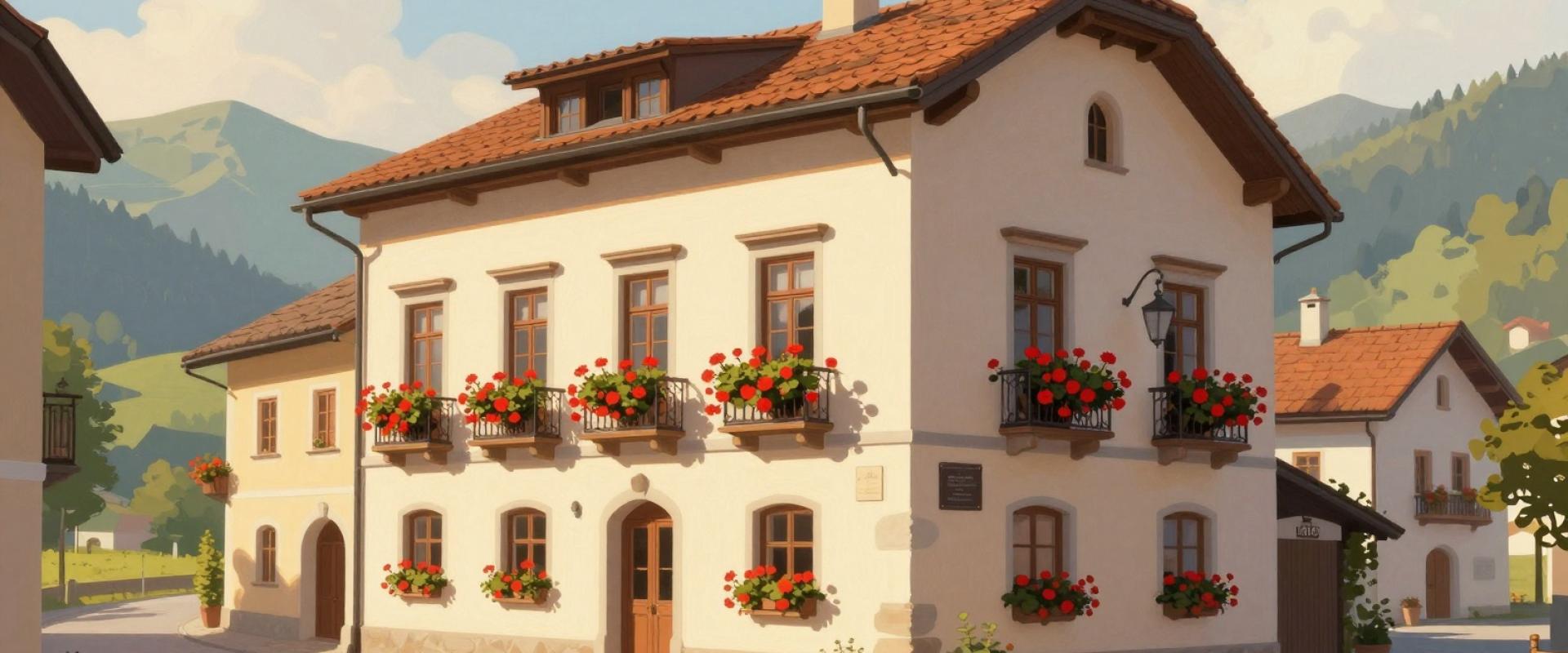
Strategic Neighborhood Selection
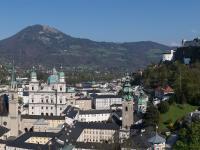
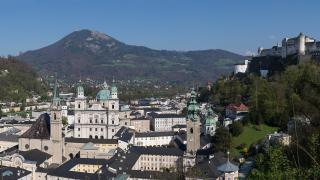
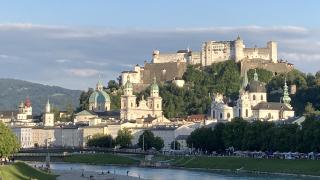
Altstadt offers unmatched walkability near landmarks like Hohensalzburg Fortress. Guests reach major sites on foot within minutes. This central location commands premium nightly rates, often exceeding €150. Lehen provides a quieter alternative with excellent connectivity. The funicular and S-Bahn link this district to the center quickly. Travelers enjoy a balance of peace and accessibility here. Maxglan suits budget-conscious visitors and those driving rental cars. Accommodation costs drop significantly compared to the historic core. Parking availability varies significantly by district. Altstadt streets are restricted, making vehicle access difficult. Lehen offers more convenient street parking options. Maxglan features ample public parking lots near hotels. Choose based on your primary travel mode. Pedestrians benefit most from the compact Altstadt layout. Drivers should prioritize Lehen or Maxglan for ease. Early mornings in Altstadt are peaceful before crowds arrive. Evening noise levels remain low in residential zones. Book early for Altstadt due to high demand. Lehen hotels often include breakfast in the rate. Maxglan stays provide better value for extended trips. Consider transit times when comparing district prices. The S-Bahn connects all areas efficiently within thirty minutes. Salzburg’s public transport system is reliable and frequent. Plan lodging near transit hubs for maximum flexibility. Local tax laws apply to all Austrian accommodations. Verify if city tax is included in quotes. Salzburg offers diverse lodging options for every budget.
Historic Hotels and Boutique Stays
Salzburg’s premier accommodations occupy restored Baroque palaces. These structures define the city’s architectural heritage. Guests experience high service standards typical of Austrian hospitality. Formal atmospheres prevail in grand lobbies and dining rooms. Many properties sit within the UNESCO-listed Altstadt district. This prime location offers direct views of Hohensalzburg Fortress. Proximity to the Mozart Residence adds cultural value. Nightly rates reflect this historic significance and central position. Expect costs between €250 and €500 per night. Boutique options provide intimate settings in converted townhouses. These smaller hotels often feature traditional Austrian decor. Service includes concierge assistance for opera tickets. Breakfast typically features local pastries and regional cheeses. Check-in procedures remain formal and efficient. Guests appreciate the quiet evenings after day-trippers depart. This allows for peaceful exploration of narrow cobblestone streets. Heritage value justifies the premium pricing structure. Booking well in advance is essential for peak seasons. The blend of history and luxury defines the Salzburg experience.
Budget Hostels and Private Apartments
Hostels provide affordable social environments near central transport hubs. Many offer dormitory beds for approximately €25 to €35 per night. These locations facilitate easy access to the Salzburg Card network. Travelers benefit from shared kitchens and communal lounges. Private apartments offer self-catering options for longer stays. Rates typically range from €80 to €120 nightly for two guests. These units provide residential immersion in local neighborhoods. Areas like Riedenburg offer quieter, residential settings away from crowds. Guests can prepare meals using local Austrian ingredients. Trade-offs include a lack of daily housekeeping services. Reception desks may have limited operating hours compared to hotels. Accessibility can be challenging in older buildings without elevators. Stairs are common in converted historic structures. Travelers should verify ground-floor availability if mobility is a concern. Booking platforms like Booking.com list these specific Austrian options. Advance reservations are recommended during peak summer months. This strategy ensures availability for budget-conscious visitors. Self-catering reduces overall trip costs significantly. Hostels often organize city tours for guests. Apartments provide privacy for families or groups. Both options support sustainable tourism practices in Salzburg.
Booking Strategies and Seasonal Pricing
Peak seasons demand early reservations for Salzburg lodging. July and August bring high tourist volumes. December holidays attract visitors for Christmas markets. Book hotels three to six months ahead. These periods see rates surge significantly. Shoulder seasons offer better value and availability. Spring and autumn provide milder weather. Prices drop by twenty to thirty percent. This timing suits budget-conscious travelers. The Kurtaxe applies to all guests. This tourism tax costs roughly €2.50 nightly. It funds local infrastructure and services. Add this fee to your total budget. Strict cancellation policies are standard in Austria. Many bookings require full prepayment. Credit card guarantees secure your reservation. Non-refundable rates offer deeper discounts. Verify policy details before confirming. Salzburg’s compact size limits hotel inventory. Supply remains tight during major events. The Mozart Week festival spikes demand. Secure accommodations well in advance. Consider staying slightly outside the Altstadt. Public transport connects peripheral areas efficiently. This strategy reduces costs without sacrificing access. Always check for hidden local fees. Austrian hotels often list base rates only. The final price includes mandatory taxes. Plan your budget accordingly. Early planning ensures better room selection. Last-minute bookings risk limited options. Prioritize flexibility if your dates shift. Some properties offer free cancellation windows. Use these to lock in rates. Monitor prices for seasonal fluctuations. Adjust your itinerary based on pricing trends.
Accessibility and Transport Connectivity
Salzburg’s historic center features extensive pedestrian zones. Cobblestone streets create significant mobility challenges. Wheelchair users often find navigation difficult. Many historic buildings lack modern elevators. Guests must verify elevator access before booking. Older structures frequently require climbing stairs. Proximity to Hauptbahnhof offers major benefits. S-Bahn lines connect the city efficiently. Trains run frequently to nearby regions. The Salzburg Card includes public transport. It covers buses, trams, and trains. This pass simplifies local travel logistics. Private parking is rarely available on-site. Hotels often charge extra for garages. Fees typically range from €20 to €30 daily. Street parking is limited and strict. Enforcement is rigorous throughout the city. Visitors should reserve parking in advance. Public transport remains the most efficient option. The Salzburg Card reduces overall costs. It provides unlimited rides for 24 to 72 hours. This integration supports seamless daily travel. Lodging near stations offers superior convenience. Guests avoid traffic congestion easily. Austria’s rail network connects Salzburg globally. High-speed trains reach Vienna in two hours. This connectivity enhances the lodging experience significantly.