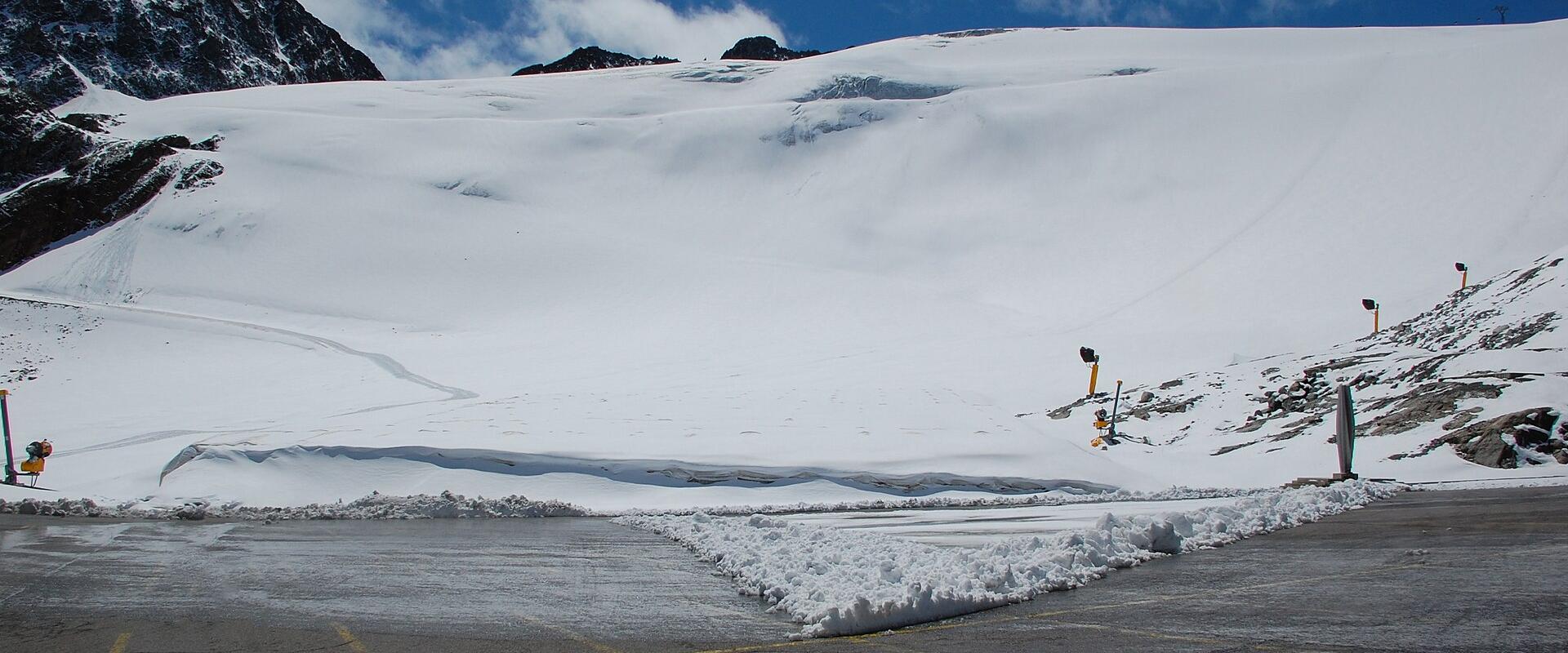
Alpine Terrain Overview
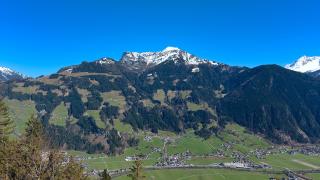
Austria’s ski terrain clusters in Tyrol, Arlberg, and Salzburg. Tyrol offers vast interconnected networks like the Skicircus Saalbach-Hinterglemm. This area spans over 270 kilometers of marked pistes. It suits intermediate riders seeking efficient lift access. The Arlberg region features steep, challenging slopes. St. Anton am Arlberg hosts the legendary Lech-Zürs area. Advanced skiers prefer its off-piste opportunities and high alpine passes. Salzburg provides diverse options for all levels. Zell am See-Kaprun combines glacier skiing with valley access. Family-friendly zones exist in smaller villages like Kitzbühel. These areas feature gentle green runs and dedicated ski schools. Geographic clustering allows easy accommodation planning near lifts. Tyrol’s density supports quick transfers between resorts. Arlberg’s vertical drop exceeds 1,500 meters in spots. Salzburg’s terrain varies from gentle slopes to rugged peaks. Choose regions based on skill and group needs. Austria’s infrastructure ensures reliable snowmaking across major zones. This guarantees consistent conditions from December through April. Prioritize locations with direct lift access for convenience. The country’s layout minimizes travel time between slopes.
Lift Systems and Passes
Austria utilizes high-speed chairlifts and gondolas for efficient mountain access. Most lifts operate from 8:30 AM to 4:30 PM daily. Regional networks like Ski Amadé connect over 300 lifts across Salzburg. This pass costs approximately €60 per day for adults. Purchasing online before arrival often saves ten percent on fees. On-site purchases incur higher prices and longer queues. Many hotels provide free guest cards for local transport. These cards sometimes include access to nearby beginner slopes. Always verify if your accommodation package includes lift tickets. The Ski Pass app simplifies digital ticket management. It displays real-time lift status and queue times. Cash payments are rarely accepted at modern lift stations. Credit cards or mobile payments are the standard. Ensure your pass covers all desired ski areas. Some remote lifts require separate single-day tickets. Plan your route using the integrated lift maps. This prevents unnecessary travel between disconnected zones. Always carry your physical or digital pass. Lift operators check tickets frequently at entry points. Failure to display a valid pass results in fines. Check weather conditions before buying multi-day passes. Snow reliability varies significantly by altitude and region.
Transportation and Accessibility
Austria integrates ÖBB trains directly with major ski hubs. Travelers reach Innsbruck, Salzburg, or Kitzbühel by rail. From these stations, dedicated ski buses connect to resorts. These shuttles run frequently during peak winter months. Many villages, like St. Anton, are car-free zones. This policy reduces traffic and improves air quality. Visitors park in peripheral lots and take local buses. The ÖBB Ski Pass offers discounted train travel. It includes access to regional ski buses. This option eliminates rental car fees and parking costs. Innsbruck Airport serves international travelers with direct train links. Salzburg Airport also provides efficient rail connections to Tyrol. Travelers save time by avoiding mountain road traffic. Public transport networks operate reliably in snow conditions. Tickets are valid across regional bus and train systems. This integration simplifies logistics for American visitors. You avoid navigating unfamiliar alpine roads. The system prioritizes safety and environmental sustainability. Most resorts are accessible within two hours of major hubs. This efficiency allows for flexible daily itineraries. Public transport reduces stress before hitting the slopes.
Safety and Avalanche Awareness
Austria enforces strict avalanche control protocols in all major resorts. The Austrian Avalanche Warning Service issues daily danger scales from one to five. Skiers must respect closed zones marked by red flags. These areas indicate high avalanche risk and are strictly off-limits. Off-piste skiing requires mandatory safety equipment. Every backcountry traveler must carry a beacon, shovel, and probe. These items are essential for survival in an avalanche. The Pistenregel, or Slope Code, governs all on-piste behavior. Rule one mandates controlling speed and direction at all times. Rule two requires yielding to downhill skiers without exception. Violations can result in significant fines or liability claims. Checking daily weather reports is crucial before heading out. The ZAMG provides accurate forecasts for specific mountain regions. Snow conditions change rapidly in the Alps. Always verify current snow depth and stability before venturing out. Local ski patrols monitor terrain constantly. Follow their instructions immediately if given. Safety depends on personal responsibility and awareness. Never ski alone in unmarked areas. Carry a fully charged mobile phone for emergencies. Insurance should cover mountain rescue costs, which are high. Austrian rescue teams are highly professional but expensive. Ensure your policy includes comprehensive alpine coverage. Respect local signage and barrier systems. They protect both you and the environment. Stay informed and ski responsibly.
Rental and Lesson Logistics
Pre-book ski rentals online to secure specific boot sizes. Austrian shops like Sport Sutter or local resort vendors offer this service. Early booking prevents long queues during peak winter months. Professional boot fitting is critical for comfort and control. Poorly fitted boots cause pain and reduce skiing efficiency. The ASVÖ (Austrian Ski Teachers Association) provides certified instruction. Their instructors meet strict national safety and teaching standards. Lesson types include private coaching, group classes, and children’s programs. Private lessons typically cost between €60 and €90 per hour. Group lessons for adults average €40 to €50 per session. Children’s half-day courses range from €30 to €45. Many resorts offer 'Ski and Stay' packages. These bundles combine accommodation with discounted lift passes and lessons. This option simplifies logistics for families and groups. Booking lessons in advance ensures availability with qualified instructors. It also allows for tailored instruction based on skill level. Always verify instructor credentials through the official ASVÖ directory. This ensures you receive high-quality, safe education on the slopes.
Budgeting and Seasonal Tips
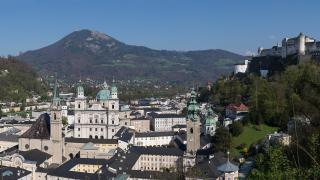
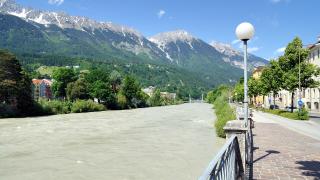
Peak season runs from mid-December to April. Prices for lift passes rise significantly during Christmas and Easter weeks. Shoulder seasons in November and May offer lower rates. Accommodation costs drop by up to thirty percent outside peak weeks. Book guesthouses in smaller villages like Fügen or Zell am See for better value. These locations provide affordable lodging near major ski areas. Dining costs vary by region. Traditional Gasthaus meals cost between fifteen and twenty-five euros. Avoid resort-center restaurants for daily meals. Bring reusable water bottles to fill at free mountain fountains. Specialized winter sports insurance is mandatory for many rentals. It covers avalanche rescue and medical evacuation costs. Standard travel insurance often excludes high-altitude activities. Include free activities to balance your budget. Hike the snowshoe trails in Hohe Tauern National Park. Visit the historic Old Towns of Innsbruck and Salzburg. These cultural sites require no entry fees. Plan ski days around free shuttle bus schedules. This reduces local transport expenses significantly. Prioritize early morning lifts to avoid crowds. This maximizes your time on the slopes efficiently.