Zell Am See
Alpine town on a turquoise lake in Salzburg
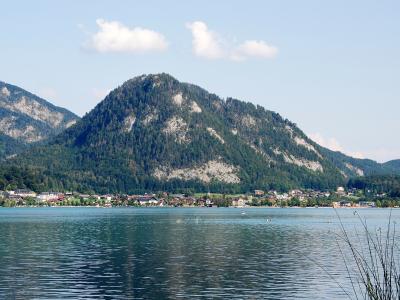
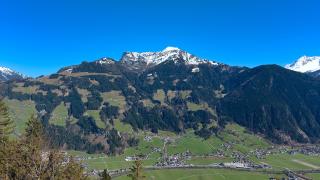
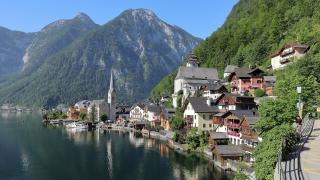
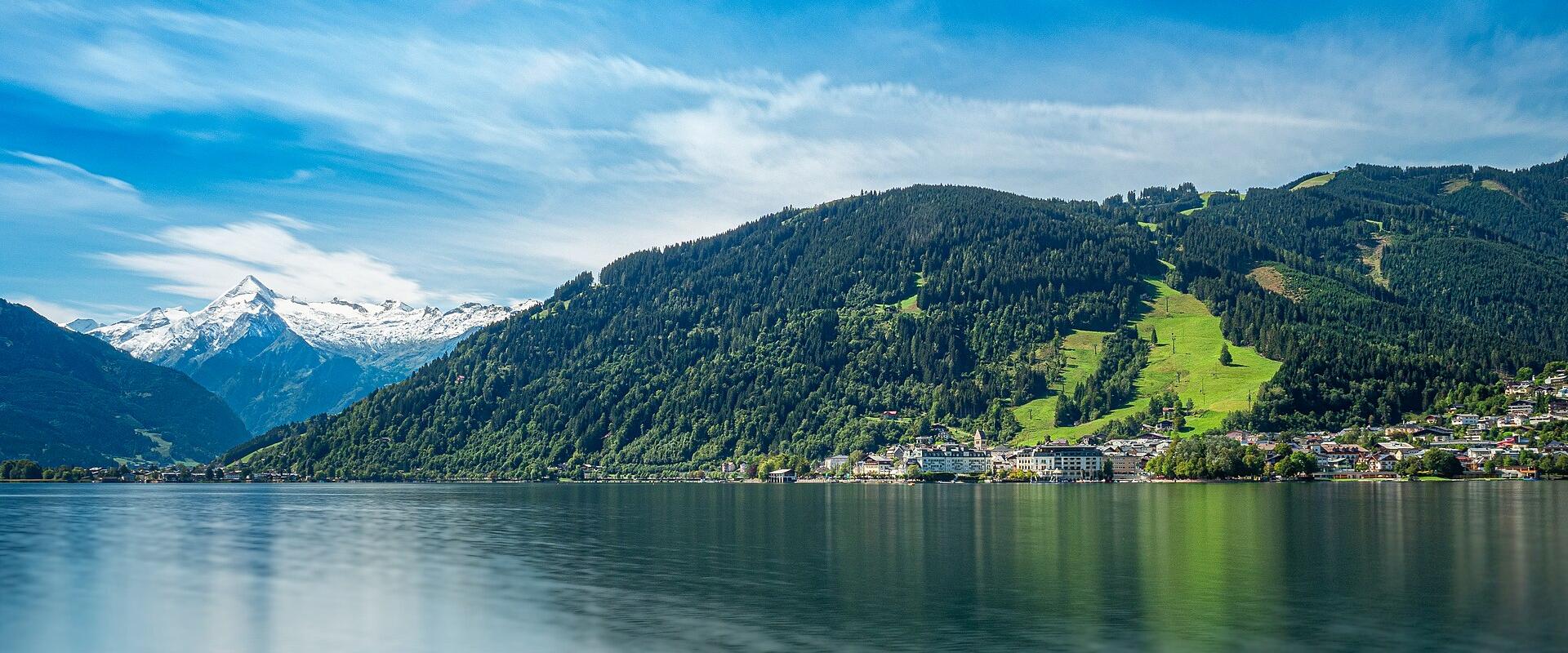
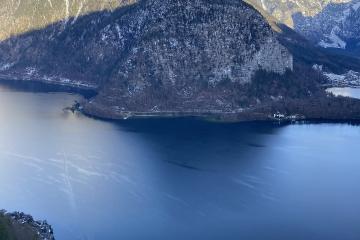
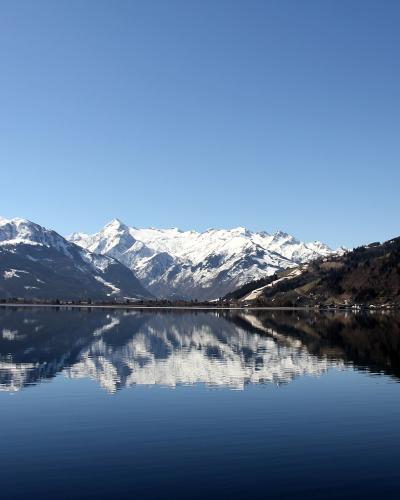
Zell am See sits on a delta of gravel and rock on the western side of the Zeller See, with the mountains of the Kitzbühel Alps to the north-west, the Hohe Tauern to the south and the limestone mass of the Steinernes Meer to the north. The town belongs to the Pinzgau, the upper Salzach valley, and has about 10,000 inhabitants. The valley floor is flat and broad, so the surrounding peaks look especially tall.
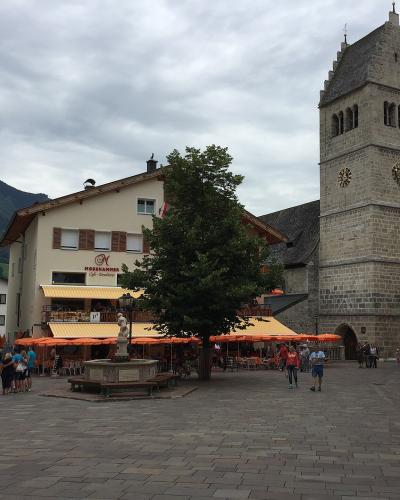
The settlement began with a monastic cell, the cella in Bisontio, founded in the eighth century by missionaries of the Archbishop of Salzburg, and the name Zell derives from it. The Parish Church of St. Hippolytus, in the old town, preserves a Romanesque tower and Gothic additions, and it is the oldest and most conspicuous building in town. Next to it, the Vogt Tower, the Vogtturm, a medieval stronghold that housed the local judge, is now a small museum of local history and is open in season.
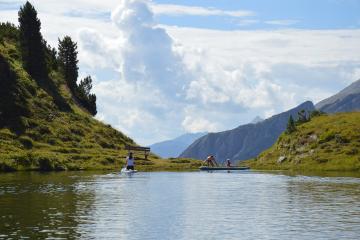
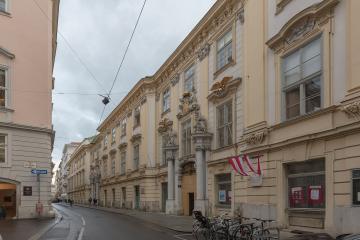
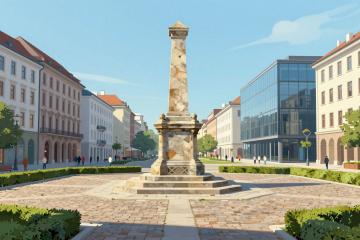
The old town is compact and pedestrian-friendly. The Stadtplatz, the main square, is lined with cafes, shops and hotels, and a short promenade leads along the shore. A lakeside path, about four kilometres long, runs around part of the lake, with views of the Kitzsteinhorn glacier across the water. In summer, the lake is clean enough for swimming at public bathing areas, and the water reaches around 23 degrees Celsius in July and August. Sailing, windsurfing, stand-up paddling and boat trips are all available, and a small ferry crosses to the opposite shore. In winter, the lake freezes in cold years and is used for skating.
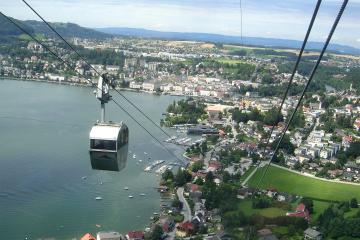
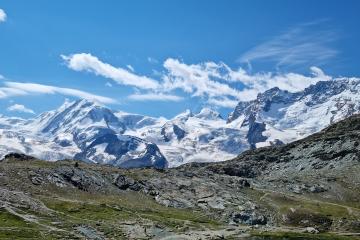
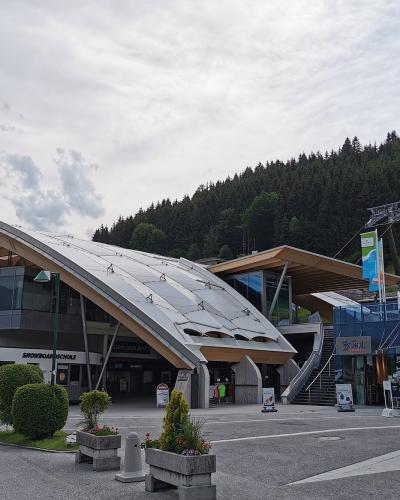
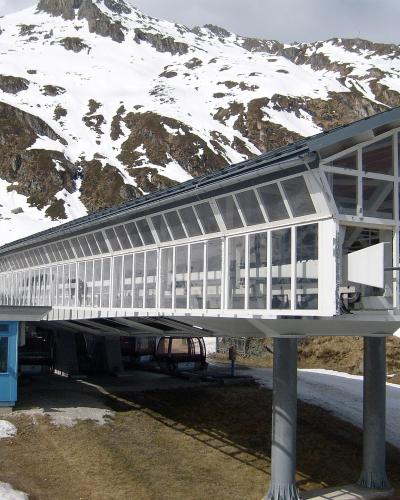
The Schmittenhöhe, the mountain behind the town, is reached by the Schmittenhöhenbahn cable car in about ten minutes, and it is the centre of the local ski area and a walking summit in summer. From the top station at about 1,965 metres, there is a panorama of the Hohe Tauern, with the Grossglockner visible on a clear day. A ridge walk, the Pinzgauer Spaziergang, is one of the most popular high-level hikes in the region, and the lifts continue to nearby peaks. In winter, the Schmittenhöhe offers runs for all levels and links with the Saalbach Hinterglemm area, in one of the largest ski regions in Austria.
To the south, the Kitzsteinhorn glacier rises above Kaprun, reached by a modern lift, and it is part of the Zell am See-Kaprun region, so the town works as a base for glacier skiing and high-altitude excursions. The summit station offers a viewing platform and a bar at about 3,000 metres, listed as the K-369 Skyline Bar, and a walk known as the Skyline Walk. Another excursion is the Sigmund-Thun-Klamm, a narrow gorge with walkways and waterfalls in Kaprun, which is one of the best-known gorge walks in the district. The Grossglockner High Alpine Road starts about 20 kilometres to the south, and the Krimml Falls, among the highest waterfalls in Europe, lie to the west.
Culture is low-key but present. The town hosts concerts and festivals in summer, a vintage car event and an Ironman triathlon, which makes use of the lake, the roads and the mountains. The Pinzgau has a strong tradition of folk customs, including the Perchtenlauf, a winter procession of masked figures. Food is Pinzgau cooking: Kasnocken, roast meats, trout and char from the lake and Pinzgauer cheese, with Kaiserschmarrn and strudel as desserts. A number of cafes and a small brewery sell local specialities.
The best time to visit is from June to September for swimming and walking, and from December to April for skiing. May and late autumn are quiet.
Getting there is easy. Zell am See has a main railway station on the line between Salzburg and Innsbruck via Wörgl, with direct trains from Salzburg in about 1 hour and 15 minutes, and a narrow-gauge line, the Pinzgauer Lokalbahn, runs west to Krimml. By car, the A10 Tauern motorway and the road through Lofer lead to the town, which is about 90 kilometres from Salzburg. Munich is about two and a half hours away, Innsbruck about two hours.
Did you know?
Interesting, verified facts about Zell Am See
Zell Am See Is Linked to Lake Landscapes
HistoryLocated in the Salzburg region, this picturesque town serves as a gateway to the dramatic Pinzgau landscape, where the turquoise waters of Lake Zell reflect the surrounding snow-capped peaks.
Source: Zell am SeeThe Porsche Dynasty Rests in Zell am See
Notable PersonIn 1941, automotive pioneer Ferdinand Porsche bought the Schüttgut, a 600-year-old hillside farm estate in Zell am See's Schüttdorf district. After his death in 1951 he was interred in the estate's small family chapel, where his son Ferry Porsche and grandson Ferdinand Alexander Porsche -- designer of the 911 -- also rest. The Schüttgut remains the ancestral seat of the Porsche and Piëch families to this day.
Source: Wikipedia (German) -- Schüttgut (Zell am See)Plan Your Visit to Zell Am See
Essential travel tips and information for your trip to Zell Am See.
Suggested Itineraries
One Day in Zell Am See
1 dayPerfect for a quick visit. See the main highlights and get a taste of local culture.
Extended Zell Am See Experience
2-3 daysComprehensive exploration including nearby attractions and cultural experiences.
Travel Tips
Currency
EUR • Cards widely accepted
Language
German • English in tourist areas
WiFi
Free WiFi in cafes and hotels
Explore Zell Am See by Interest
Discover attractions and experiences in Zell Am See organized by your interests and travel preferences.
All attractions in Zell Am See
Sorted by our recommendation score
Quick Facts
Book your stay
Frequently Asked Questions
More destinations in Salzburg
Explore other amazing places in the Salzburg region