







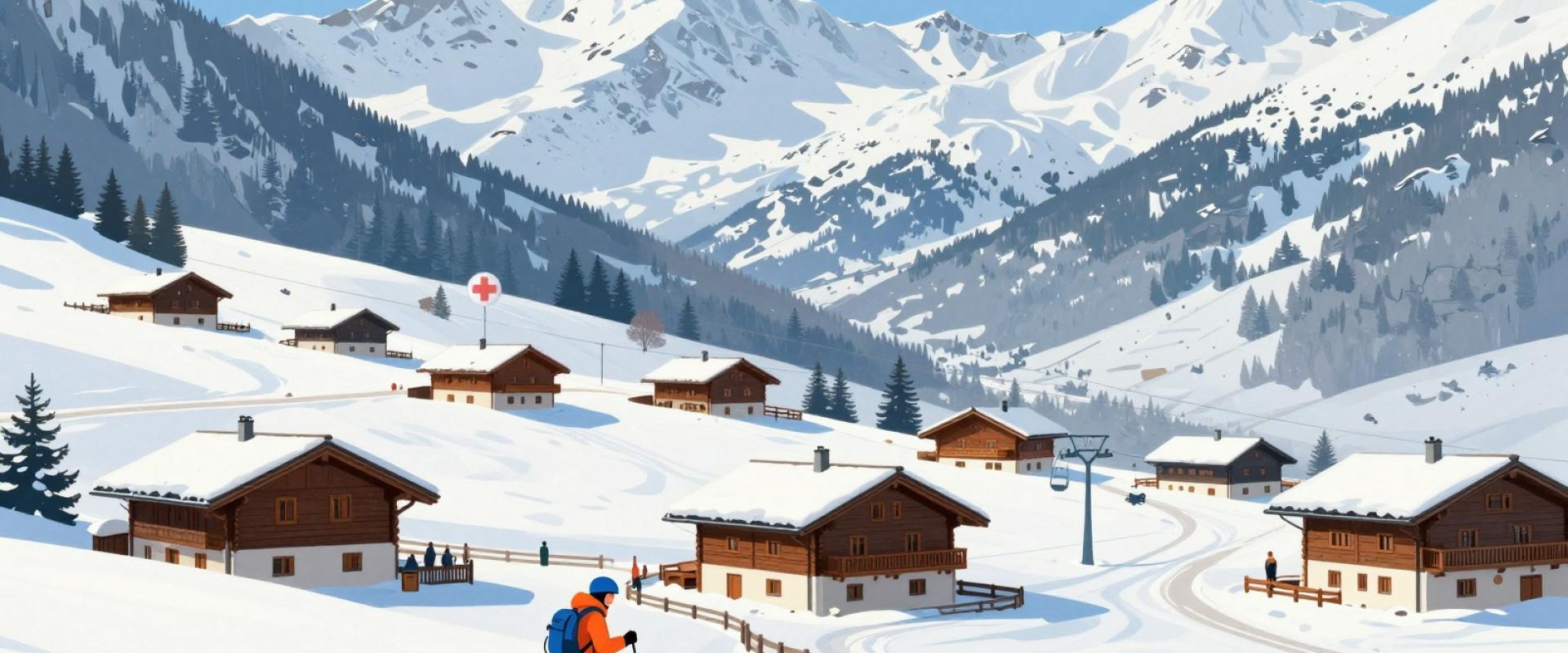
Whether you need travel insurance to enter Austria depends on your passport. Whatever it is, you should have cover for mountain rescue and for getting home, because public health cards don't pay for either.
Do you have to have it?
If you need a Schengen visa, you must hold travel medical insurance of at least €30,000, valid across the Schengen Area and including repatriation.
If you don't need a visa, there's no blanket insurance requirement that we could find, but the cover is still worth having.
EHIC and GHIC
With a European Health Insurance Card (EHIC), you get care from contracted doctors and at contracted public hospitals in the general class, paying a daily charge for the first 28 days plus prescription fees. UK visitors can use a GHIC for medically necessary state care.
Neither card replaces insurance. They don't cover private care or getting you home.
Without a card, publicly funded hospitals may ask for immediate payment, and private hospitals usually do. Check whether your insurer will pay them directly.
Mountain rescue
This is the cost most visitors don't expect. Health insurers don't pay for mountain rescue, and an average Austrian helicopter mission is put at about €3,500, with a 40-minute recovery at €5,000–€6,000.
If you ski or hike, check that your policy covers rescue and the activity you plan, including skiing off-piste or high-altitude routes. Read the wording, as limits differ.
Delays and cancellations
Trip cancellation cover pays for non-refundable bookings if illness or a family emergency stops you going. Winter storms can disrupt roads and rail in the Alps, so check whether your policy covers extra costs from delays. "Cancel For Any Reason" cover is a US product that usually pays back part of your costs.
Entry rules to know
The EU's Entry/Exit System (EES) has been fully running since 10 April 2026 and, in Austria, applies at international airports. The separate ETIAS travel authorisation for visa-exempt visitors wasn't confirmed as running when we checked, so look up the current position on the EU's official site before you travel.
Keep with you
Carry your policy number and your insurer's emergency line, plus your EHIC or GHIC if you have one. In an emergency, call 112 first, then your insurer. Keep your medical reports and receipts for a claim.