


Austrian Culinary Landscape
Austrian food and wine tours center on the Heuriger and Buschenschank traditions. These establishments serve new wine and local snacks. Tourists visit these venues to experience authentic social culture. Grüner Veltliner and Riesling dominate the regional vineyards. Tours typically last three to four hours. Participants sample multiple wines at each stop. Prices range from €15 to €30 per person. This cost usually includes tastings and light meals. Harvest festivals occur in September and October. These events celebrate the annual grape harvest. Travelers join locals for communal dining and music. Vienna and Wachau Valley offer prime tour locations. Guides explain the history of each vineyard. The experience emphasizes seasonal ingredients and local production. Visitors learn about traditional winemaking techniques. The atmosphere remains relaxed and informal. Food pairs directly with the served wines. Tours often include transport between rural sites. This structure ensures a comprehensive cultural immersion. Participants engage directly with local producers. The focus remains on quality and authenticity. Generic tourism elements are excluded from these specialized itineraries.
Regional Wine Destinations
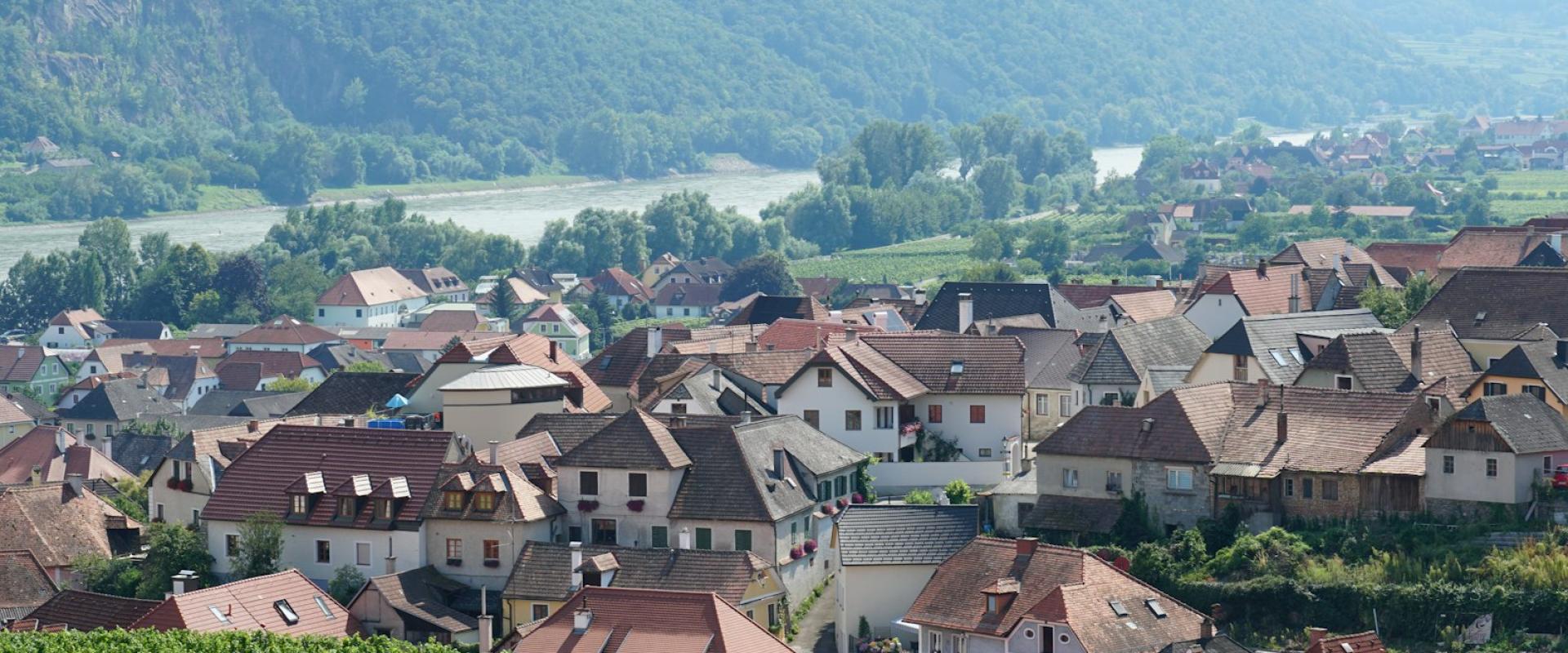
Vienna offers unique urban vineyard experiences within city limits. Visitors tour the Heuriger districts easily via public transit. Tours typically last two to three hours. Prices range from €30 to €50 per person. The Wachau Valley provides scenic Danube river cruises. This UNESCO World Heritage site features steep terraces. Guided bike tours cover approximately 40 kilometers daily. Lunch stops include local apricot brandy tastings. Costs average €60 for half-day guided excursions. Burgenland focuses heavily on red wines and sweets. The Neusiedlersee region produces renowned dessert wines. Tours often include visits to family-owned estates. Average tour duration is four hours. Entry fees are generally €15 to €25. Styria emphasizes organic and innovative wine production. The South Styrian Wine Road has 1,200 kilometers of routes. Self-guided tours allow flexible scheduling. Many producers offer free tasting upon arrival. Guided group tours cost around €40. Booking in advance is recommended for peak seasons. Spring and autumn offer the best weather conditions. All regions require valid identification for alcohol purchases.
Booking and Cost Analysis
Group food and wine tours in Austria typically cost between €40 and €80 per person. These small groups usually include three to five tastings. Private tours start at approximately €150 for two people. Prices rise significantly during peak summer months. Booking at least four weeks in advance is essential. Vienna’s Heuriger districts fill quickly on weekends. Tour inclusions vary widely across different operators. Most standard packages include transport between vineyards. Some premium options add gourmet lunch pairings. Always verify if wine purchases are included. Transport costs add up if you drive yourself. Train tickets between regions like Wachau and Burgenland cost roughly €20. Guided tours eliminate parking fees and navigation stress. The convenience justifies the higher upfront cost. Budget travelers should prioritize group bookings for savings. Luxury seekers benefit from private chauffeur services. Check cancellation policies before finalizing payments. Many Austrian operators require full payment upon booking. Confirm dietary restrictions are accommodated in advance. This ensures a seamless culinary experience throughout the trip.
Traditional Austrian tours feature heavy dairy and pork. Ingredients like Schmalz and heavy cream are common. These elements pose challenges for vegan travelers. Vegetarian options exist but require specific requests. Tour operators often prioritize traditional meat dishes. Advance notification is crucial for dietary restrictions. Notify providers at least 48 hours prior. This allows kitchens to adjust menus safely. Gluten intolerance requires careful selection of pastries. Many Heuriger venues serve dense breads. Translated allergy cards in German are essential. Staff may not speak fluent English. Carry cards listing specific allergens clearly. Vegan wine is increasingly available in Vienna. However, rural Buschenschank options remain limited. Always confirm ingredient lists before booking. Prices for specialized meals may increase slightly. Expect a €5 to €10 surcharge. This covers additional preparation costs. Safety remains the primary concern for operators. Clear communication prevents cross-contamination risks. Verify accommodation meal plans separately. Hotel kitchens handle restrictions differently than tours. Research specific Heuriger policies online beforehand. This ensures a safe and enjoyable experience. Prioritize transparency when discussing needs with guides.
Selecting Reputable Operators
Verify operators via Viator or GetYourGuide for authentic Austrian feedback. Look for recent reviews mentioning specific Heuriger visits. Check for official tourism board certifications or local guild memberships. These credentials ensure compliance with Austrian safety standards. Smaller groups of four to six people enhance the experience. They allow personalized interaction with local winemakers. Larger buses often skip authentic Buschenschank stops. Avoid operators lacking clear physical addresses in Vienna or Graz. Red flags include vague itineraries or hidden tasting fees. Reputable guides speak fluent English and German. They provide detailed dietary accommodation for allergies. Prices should clearly include transport and entry fees. Avoid cash-only transactions without receipts. Choose operators offering flexible cancellation policies. This protects against sudden weather changes in vineyard regions. Prioritize guides with certified sommelier qualifications. They provide accurate historical context for Austrian wines. Ensure the operator partners directly with local producers. This supports the regional economy directly. Verify insurance coverage for all tour activities. Safe transport between vineyards is non-negotiable. Check for recent vehicle maintenance records. Reliable operators prioritize passenger comfort and safety above all.