Kalkalpen National Park
Austria's largest continuous primeval forest wilderness
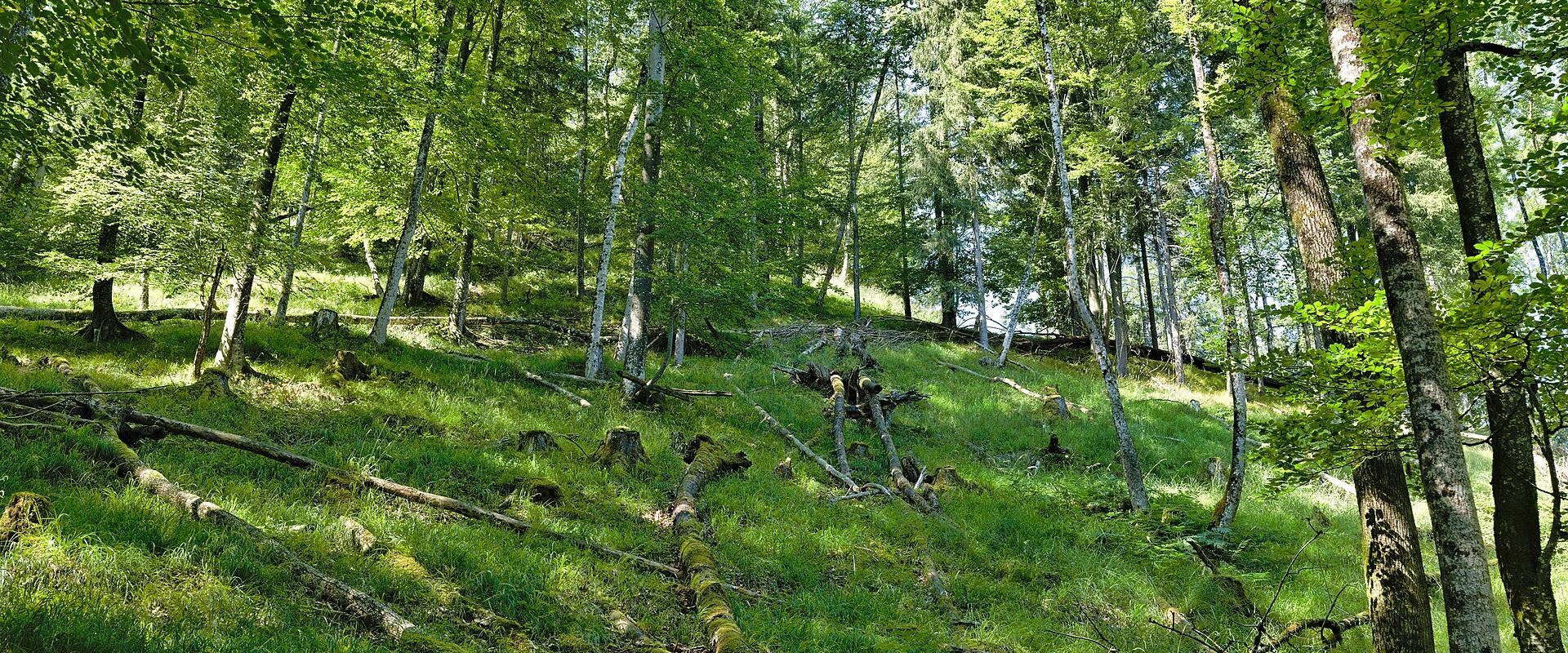
Kalkalpen National Park, located in the southeast of Upper Austria, protects the country’s largest continuous forest wilderness. Covering 20,850 hectares across the Reichraminger Hintergebirge and Sengsengebirge ranges, the park serves as a critical sanctuary for biodiversity, hosting over 10,000 species of animals, plants, and fungi. Established in 1997, it is Austria’s first World Heritage Site, recognized for its UNESCO-listed old beech forests and karstified mountain landscapes.
The park’s management strategy emphasizes non-intervention, aiming to restore the forest to its primeval state. Historically, the original forests were largely destroyed during the early Middle Ages due to charcoal production for local forges. Today, the park focuses on abandoning human use and removing infrastructure to allow natural processes to resume. Approximately 15,000 hectares are designated as a non-intervention zone, preserving a habitat mosaic of about 30 forest types.
Visitors can explore this rugged terrain, which includes hidden gorges and diverse forest ecosystems. The area supports rare species, including the only lynx population in the Austrian Alps. While specific opening hours and admission fees are not uniformly listed for the entire park, the core wilderness areas remain accessible for hiking and observation. The lack of commercial infrastructure enhances the sense of solitude and immersion in nature. Travelers seeking to witness the slow, natural regeneration of a temperate rainforest will find Kalkalpen to be a significant destination. The park offers a unique opportunity to observe ecological recovery in action, providing a stark contrast to managed forest landscapes elsewhere. This environment serves as an educational resource for understanding forest dynamics and conservation efforts in the Alpine region.
Categories
More photos coming soon
Nearby Attractions
Other places to visit in Upper Austria
Frequently Asked Questions
Quick Facts
Best Time to Visit
Visit from May to October for mild weather ideal for hiking and lake activities, avoiding peak summer crowds in May or September.