Upper Austria
Industrial heartland and Salzkammergut lake district in Austria
Upper Austria stretches from the Bohemian Massif in the north to the Northern Limestone Alps in the south, and the Danube cuts through its middle. The state has about 1.5 million inhabitants, and almost half of them live around Linz, Wels and Steyr. The three landscapes, north, centre and south, make it a state of contrasts.
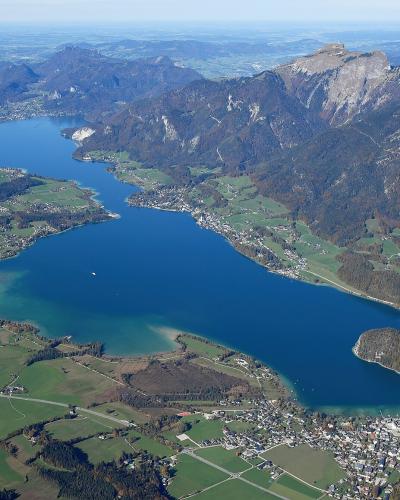
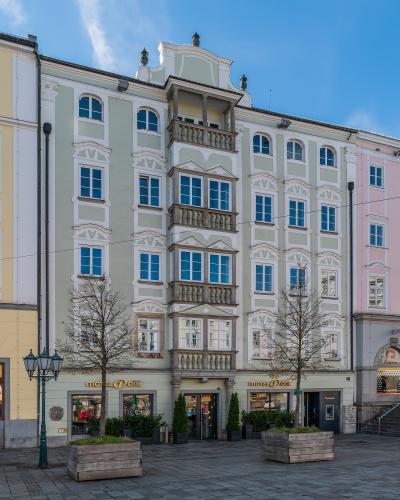
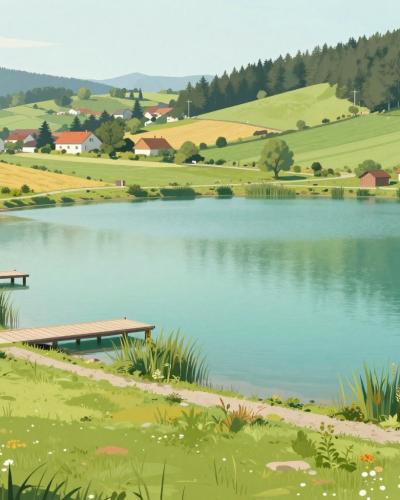
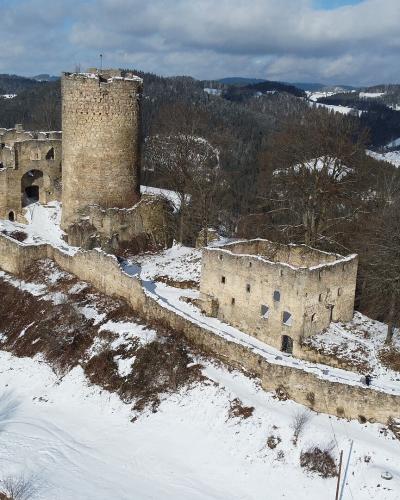
The north is the Mühlviertel, a granite upland of forests, meadows and quiet villages, where castles such as Schloss Ort and the ruined fortress of Prandegg stand, and where Freistadt keeps its medieval walls. The Innviertel to the west, once Bavarian, has Baroque towns such as Schärding and farms that produce beer and pork. The centre is the Danube Valley and the Traun basin, with Linz, an industrial and cultural city, Wels and Steyr. The south is the Salzkammergut, an Alpine lake district with more than 70 lakes and peaks of the Dachstein and the Höllengebirge. The State of Oberösterreich is, for most visitors, a region of lakes first, and a German-speaking one near the German border.
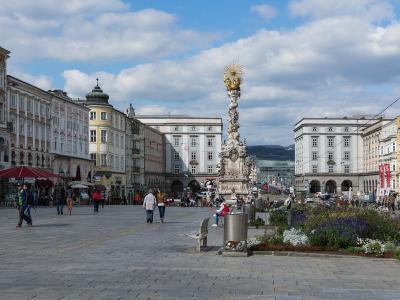
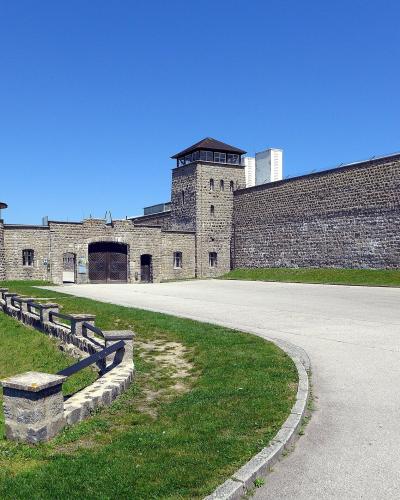
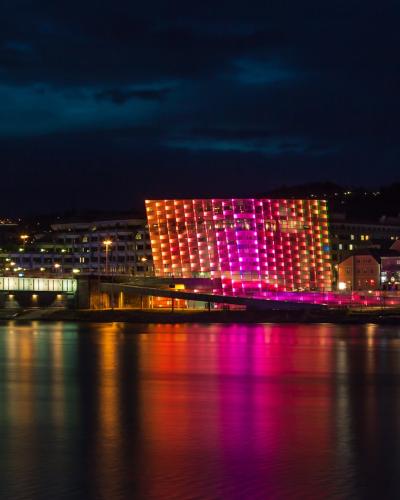
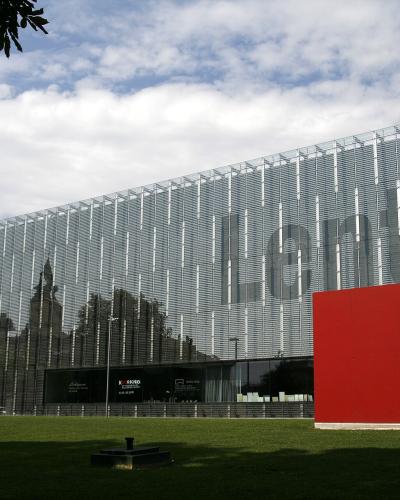
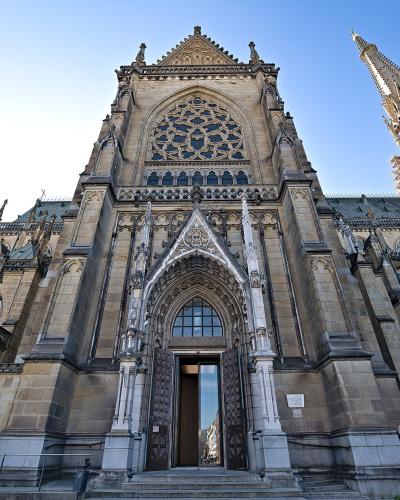
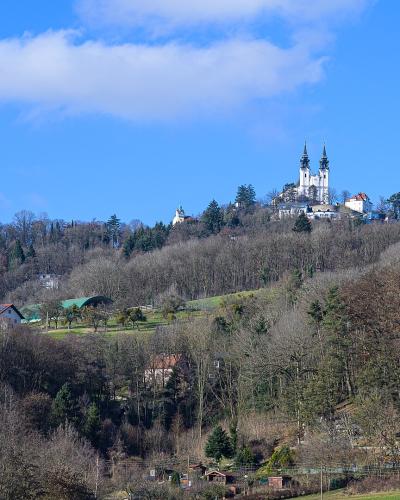
Other cities matter too, but Linz is the best-known. Its Ars Electronica Center, an art and technology museum, the Lentos Kunstmuseum, a Museum of modern art, the Mariendom, the New Cathedral, the Pöstlingberg with its pilgrimage Basilica and steep tram, and the long Hauptplatz are the main sights. The Danube River Cycle Path passes through, and the Linzer Torte is the city's pastry. Adolf Hitler grew up near Linz, and the Mauthausen Memorial, about 20 kilometres east, commemorates the victims of the Nazi concentration camp there. The state's history, as part of the Holy Roman Empire and then the Habsburg Monarchy in a German-speaking Roman Catholic and Protestant mix, includes the Upper Austrian Peasant War of 1626, one of the largest uprisings of the Counter-Reformation era, and the religious conflicts that preceded it.
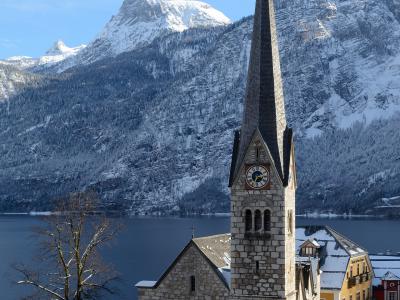
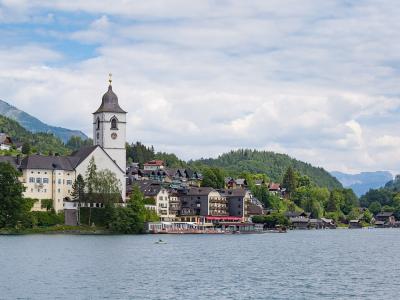
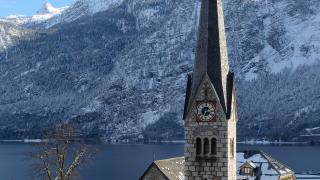
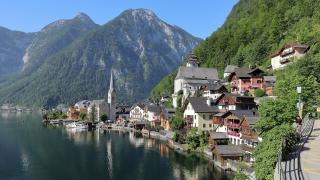
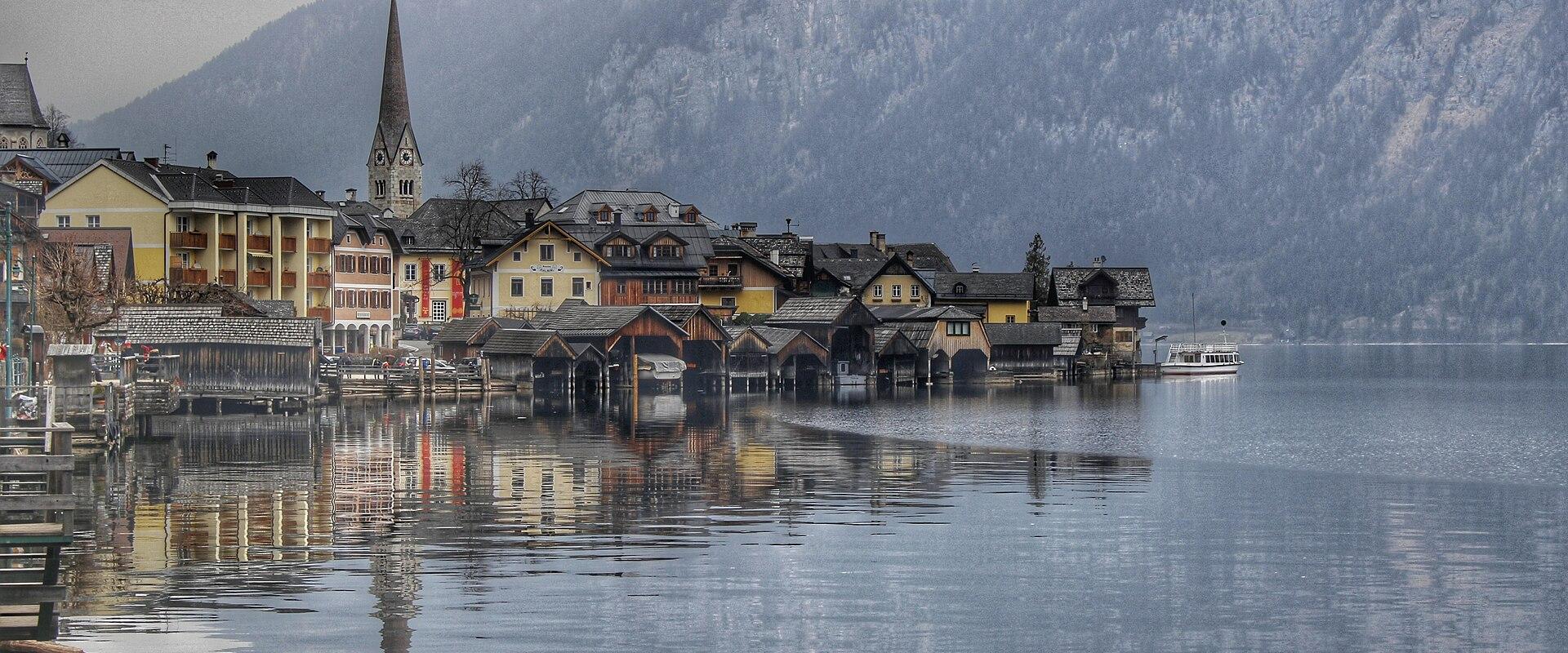
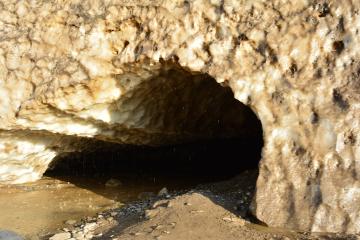
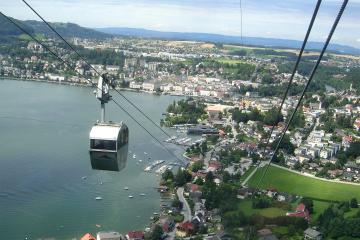
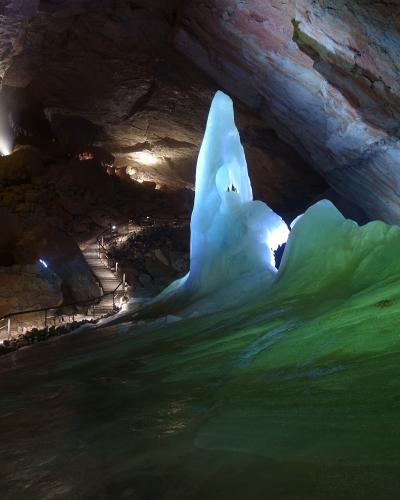
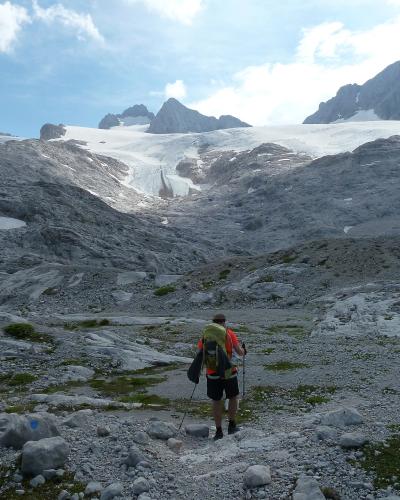
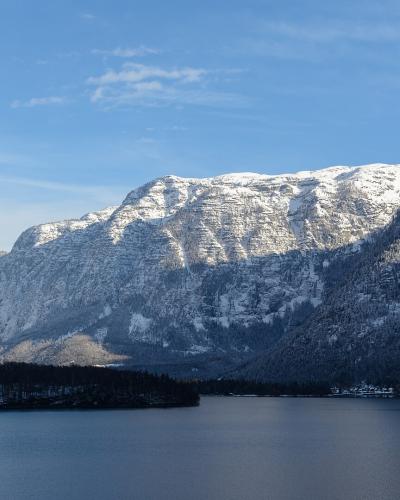
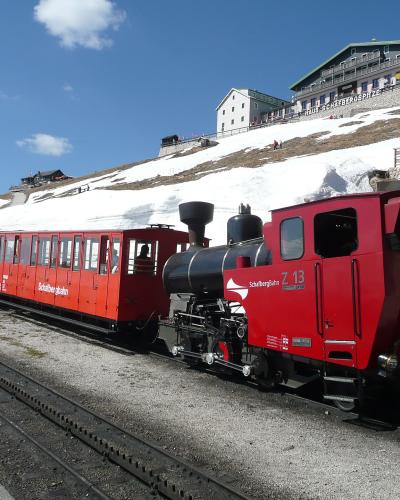
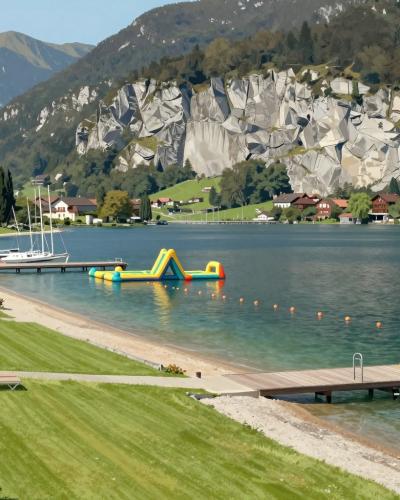
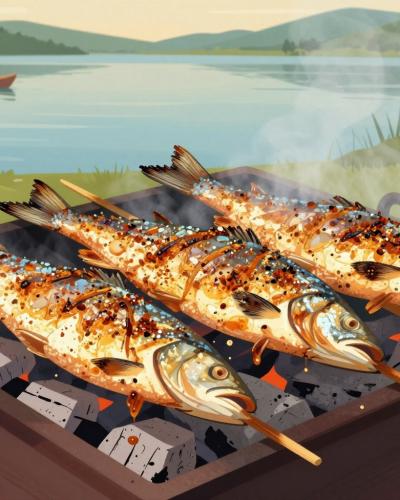
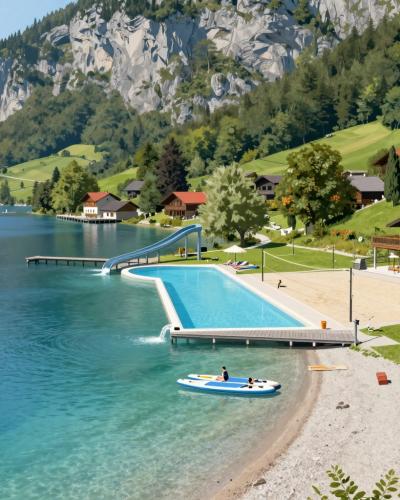
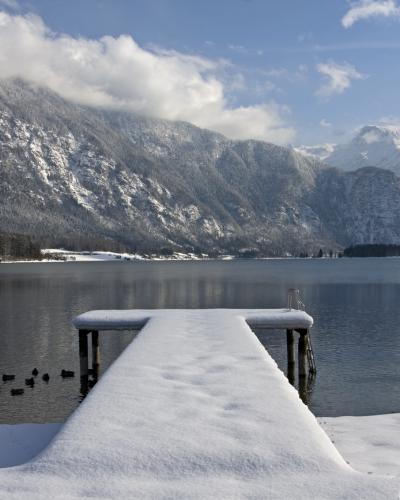
The Salzkammergut is the main draw for visitors. Hallstatt, a village of fewer than 800 people on Lake Hallstatt, is a UNESCO World Heritage Site, with its salt mine and a museum, the oldest in the world. The Hallstätter See and Lake Attersee, Lake Traunsee, Lake Mondsee and Lake Wolfgangsee offer swimming, sailing and boat trips, and the Schafbergbahn, a steam cog railway opened in 1893, climbs from St. Wolfgang to a summit with a wide view. The Dachstein Krippenstein cable car at Obertraun reaches the Dachstein Giant Ice Cave and a glacier plateau, with viewing platforms. Stanglfisch, fish grilled on a stick, is a lakeside snack.
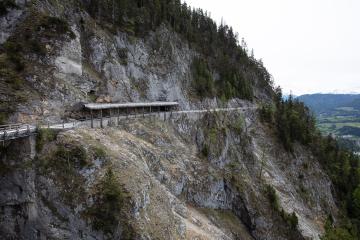
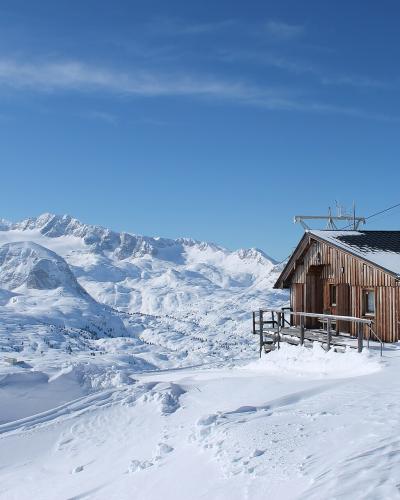
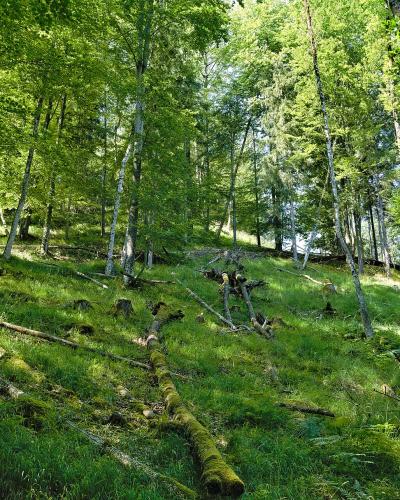
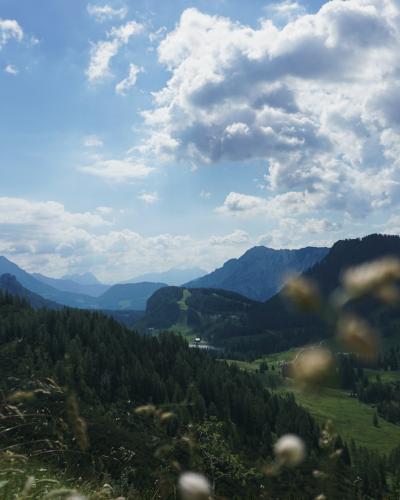
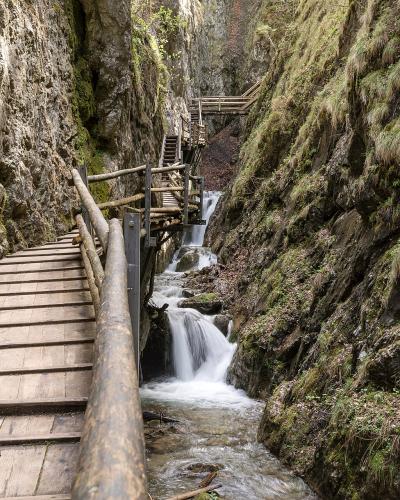
The Kalkalpen National Park, in the south-east, protects the largest continuous forest area in Austria, with gorges, limestone ridges and rare lynx, and the Dr.-Vogelgesang-Klamm near Spital am Pyhrn is a popular gorge walk. The Höllengebirge, a rugged range above the Traunsee and Attersee, has challenging hikes and via ferrata routes, and in winter, the Salzkammergut and the Dachstein offer skiing.
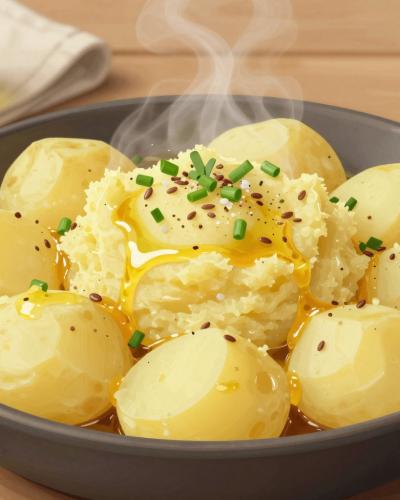
Heritage includes the Baroque abbeys of the Danube, such as St. Florian, and the castles and fortresses of the Mühlviertel. Mühlviertler specialities, such as potatoes with flaxseed oil, are a regional culinary hallmark, and herb hikes introduce the plants of the hills. The Danube valley offers vineyards at the edge of the state and the Danube Cycle Path, one of the best-known in Europe, which leads from Passau to Vienna through the Schlögen loop, a spectacular bend in the river.
The best time to visit is from May to October for lakes, hiking and city sightseeing, with July and August the warmest. October brings autumn colour, and in winter, the Salzkammergut and Dachstein offer skiing and Advent markets, while Linz holds its festivals in September.
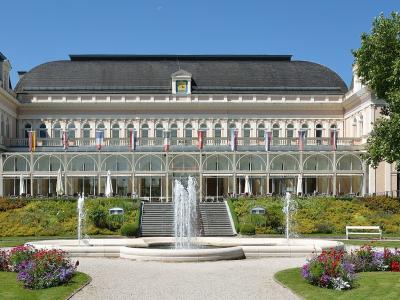
Getting around is easy. The Westbahn railway links Linz and Wels with Vienna and Salzburg in about an hour to an hour and a quarter from each, and branch lines serve the Salzkammergut, including Bad Ischl and Hallstatt. Linz Airport, at Hörsching, has flights to a few European cities, and Salzburg and Munich airports are within reach of the south. The A1 and A8 motorways cross the state, and the A7 and A9 serve Linz and the Pyhrn region. Boats and the lake railways add to the journey options.
Best Time to Visit
Visit from May to October for mild weather ideal for hiking and lake activities, avoiding peak summer crowds in May or September.
Plan Your Visit to Upper Austria
Essential travel tips and information for your trip to Upper Austria.
Suggested Itineraries
Travel Tips
Currency
EUR • Cards widely accepted
Language
German • English in tourist areas
WiFi
Free WiFi in cafes and hotels
Explore Upper Austria by Interest
Discover attractions and experiences in Upper Austria organized by your interests and travel preferences.
All attractions in Upper Austria
Sorted by our recommendation score
Quick Facts
Book your stay
Frequently Asked Questions
More destinations in Upper Austria
Explore other amazing places in the Upper Austria region