- Admission
- Experience Ticket: €24 adults
- Museum only: €14
- Where
- Lower Austria, Lower Austria
- Directions
- Directions
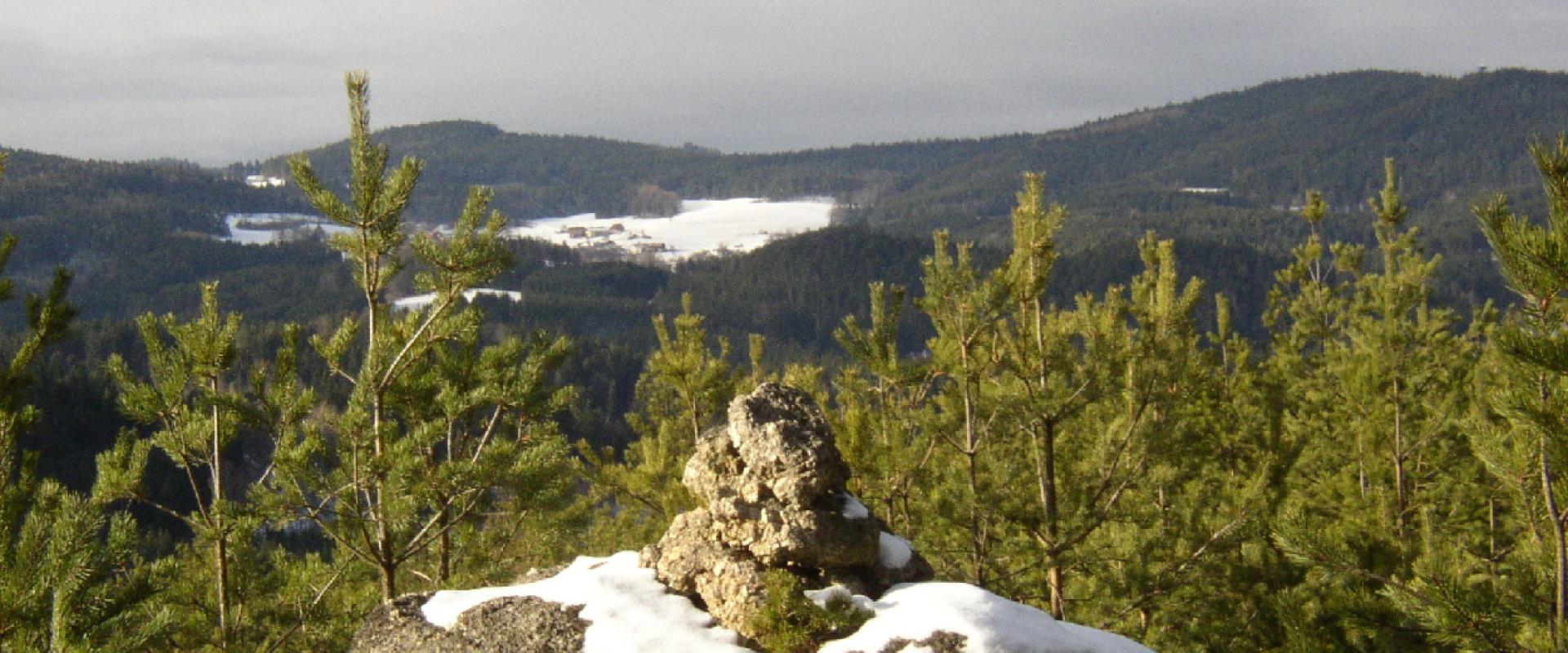
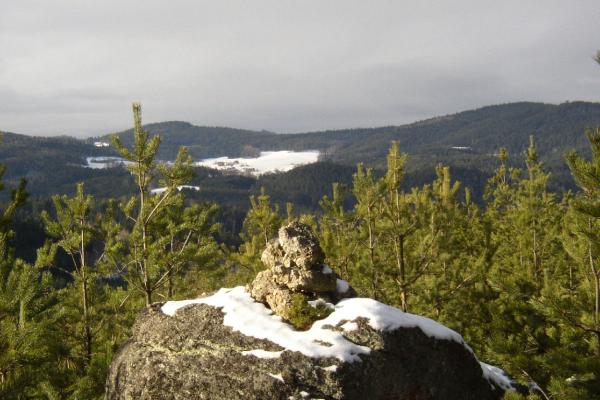
The Waldviertel, or Forest Quarter, is the northwestern corner of Lower Austria, a high, rolling plateau along the Czech border that feels very different from the Alpine image most people have of the country. The landscape is shaped by granite and gneiss, with rounded hills, extensive forests, fish ponds, moors and fields dotted with huge weathered boulders. Winters are cold and summers mild, and the region has a quiet, unhurried rural character, with small villages, old market towns and plenty of room to walk or cycle without crowds.
The region has several traditions that set it apart. Carp farming has been practised in the many ponds for centuries and the fish appears on local menus in autumn, and poppy seeds grown on the plateau are used in sweet dishes. Glassmaking and textile weaving were once important local trades, and the granite itself has been quarried for building stone. The rivers Kamp, Thaya and Krems cut winding valleys through the plateau, with the Ottenstein reservoir on the Kamp offering a lake for swimming and boat trips, and the Thaya valley on the Czech border forms a protected national park.
History is visible in the castles and monasteries. Heidenreichstein is among the best known moated castles in Austria, a well-preserved water castle with thick walls and a drawbridge, and the walled town of Drosendorf on the Thaya is a picturesque small town with an intact medieval circuit. The Cistercian abbey of Zwettl has a long monastic history, and the surrounding towns hold market squares and churches in a quiet provincial style. The Blockheide near Gmünd is a nature park where granite boulders lie scattered through woodland and heath in odd formations that children enjoy climbing.
The Fossilienwelt is a fossil museum and research park where visitors can learn about prehistoric life and try digging for fossils themselves in a supervised dig of around fifty minutes. It is aimed especially at families and school groups, and combines indoor displays with an outdoor site where finds can be made. The exact location and season should be checked with the operator before a trip, since the fossil attractions in northern Lower Austria are spread over more than one area, and ticket options change.
The Waldviertel is a destination for slow travel. Cycling routes follow river valleys and quiet lanes, hiking paths link villages and viewpoints, and spas and wellness hotels offer rest. It suits families, walkers, cyclists and visitors who want a break from the busier parts of Austria, and it can be reached from Vienna in a little over an hour by car.
Categories
More photos coming soon
Admission Fees
- Admission
- Experience Ticket: €24 adults; Museum only: €14
Hours and prices change, especially out of season. Check with the venue before you go.
Nearby Attractions
Other places to visit in Lower Austria
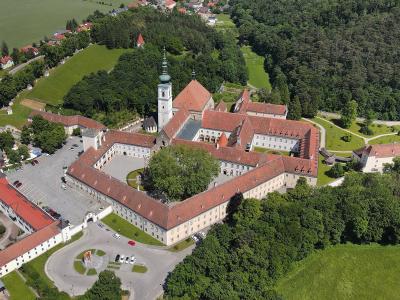
Heiligenkreuz Abbey
Living Cistercian abbey in the Vienna Woods
Architectural Highlights · Local History
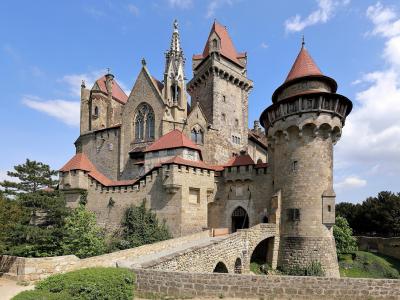
Burg Kreuzenstein
Fully furnished medieval castle in Leobendorf
From €8 Historic Palaces · Local History
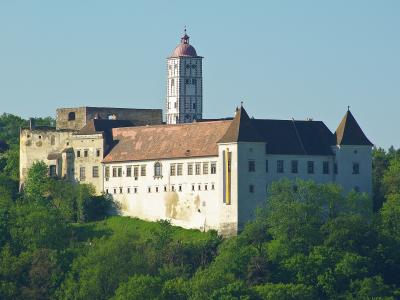
Schallaburg
Renaissance castle with changing exhibitions
From €6 History & Heritage · Museums & Art
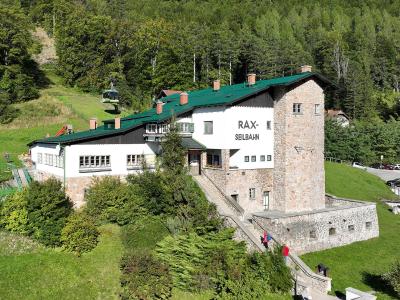
Rax Cable Car
One of Austria's oldest cable cars, operating since 1926
Cable Cars · Funiculars
Questions people ask
Quick Facts
Experience Ticket: €24 adults
Museum only: €14.
Best Time to Visit
Visit from May to October for mild weather ideal for hiking and wine tourism, avoiding peak summer crowds.