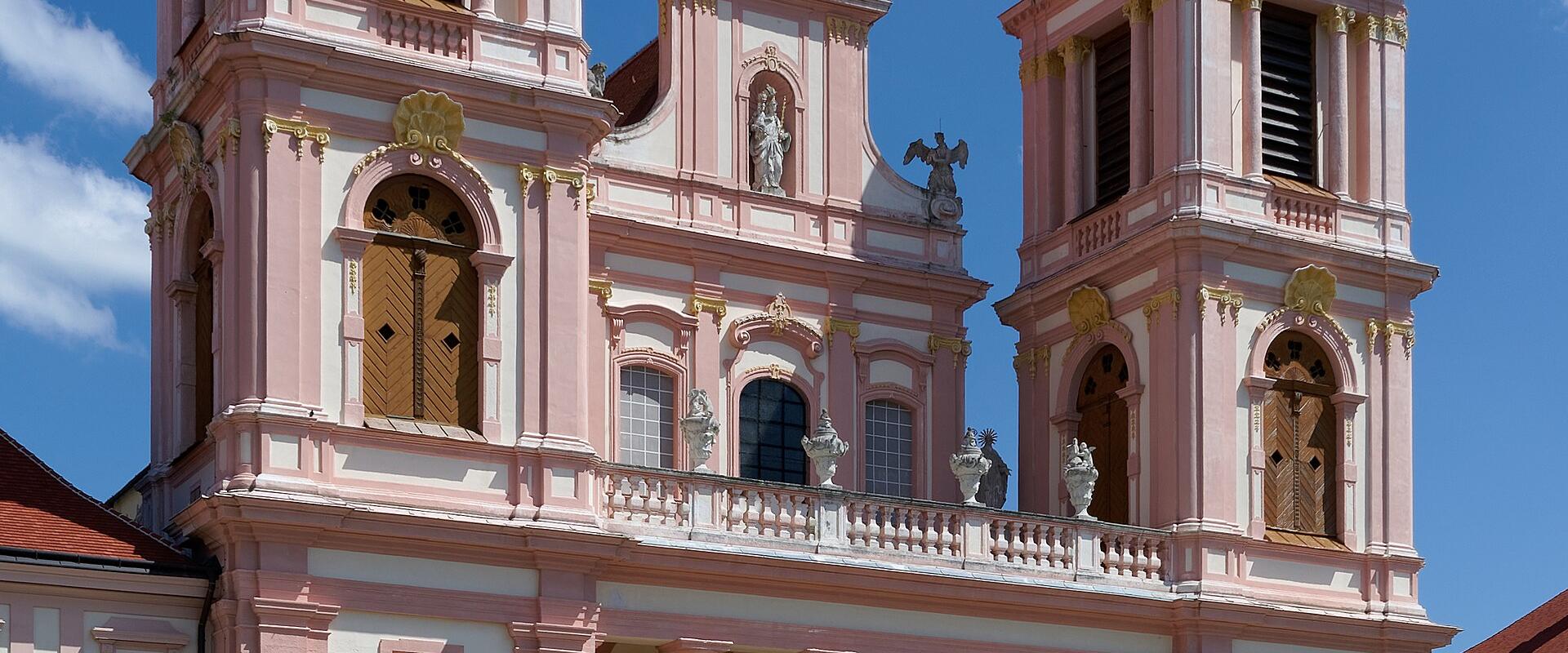
Lower Austria
Largest Austrian state with Wachau Valley and Vienna suburbs
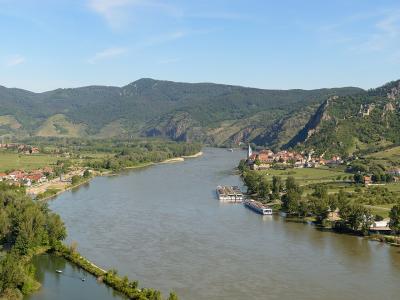
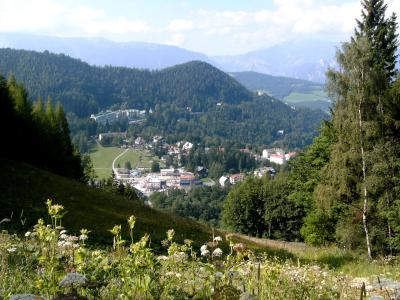
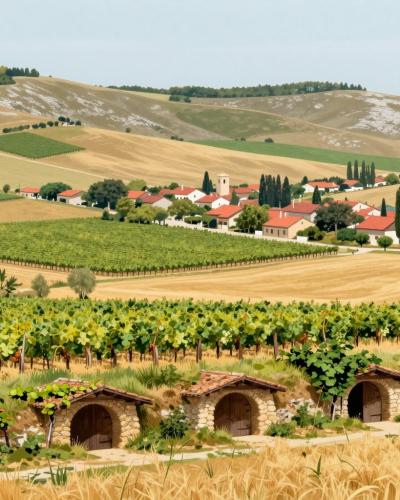
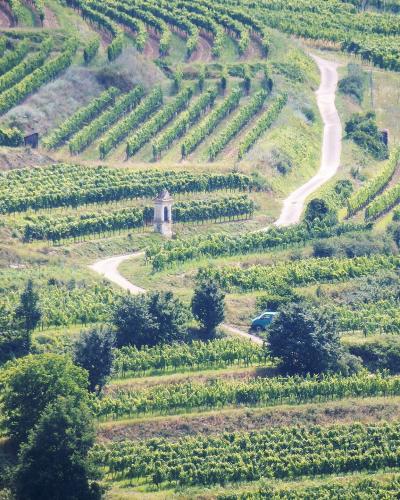
Lower Austria is a state of contrasts. In the east, the Pannonian Lowland, the western edge of the great Hungarian plain, extends toward the Slovak and Hungarian borders with fertile fields, orchards and sunny vineyards. In the north, the Weinviertel, the wine quarter, is a gently rolling landscape of vines, cellar lanes and villages, with the Czech Republic beyond. The Danube cuts across the state from west to east, carving the Wachau Valley between Melk and Krems, a UNESCO World Heritage Site of terraced vineyards, apricot orchards and medieval towns. South and west, the Wienerwald, the Vienna Woods, and the Northern Limestone Alps rise to plateaus above 2,000 metres.
The region has a long history. In antiquity, it was a borderland between the Roman Empire and Germanic tribes, with a military zone along the Danube whose capital, Carnuntum, now an archaeological park, held tens of thousands of people. In the Middle Ages it became the core of the Babenberg and then Habsburg lands, and for centuries the Habsburg Monarchy ruled from Vienna, which was once part of the state; the capital separated in 1922. Today the State administration is in St. Pölten, and the state's German name is Niederösterreich; the Museum Niederösterreich there tells its story, which became the capital in 1986.
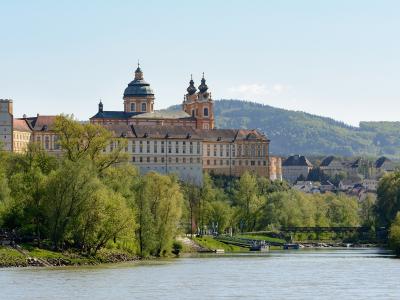
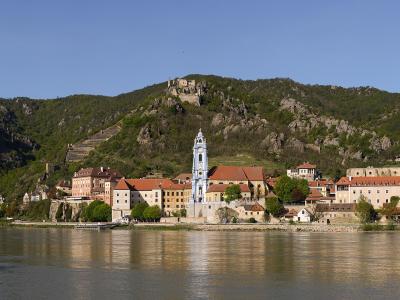
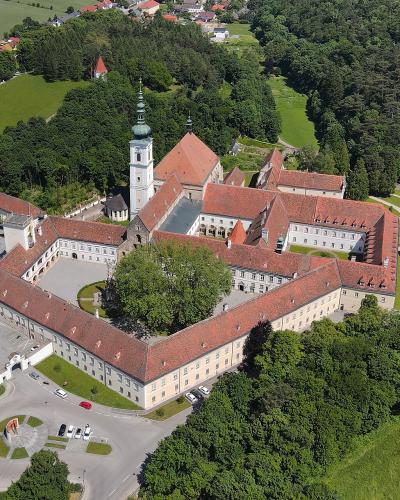
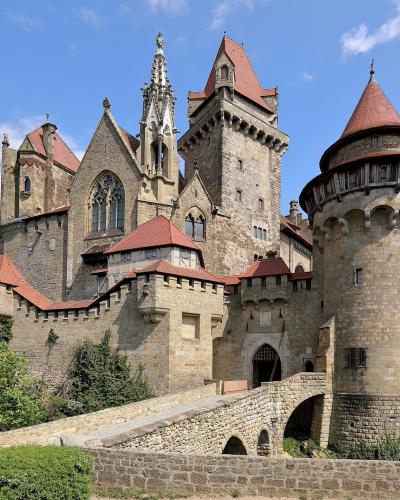
The Danube is the spine of the region. The Danube River Cycle Path, one of the most popular long-distance cycling routes in Europe, follows the river through the Wachau, past Dürnstein, with its blue church tower and the legend of Richard the Lionheart, and past Melk Abbey, the Baroque Benedictine monastery above the river. Boats link the towns, and Krems, Tulln and Klosterneuburg offer museums and wine taverns. Burg Kreuzenstein, a castle rebuilt in the early twentieth century in medieval style, stands north of Vienna, and Heiligenkreuz Abbey, a Cistercian house founded in 1133, lies in the Wienerwald.
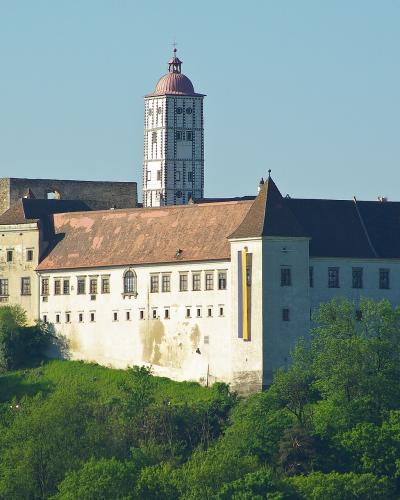
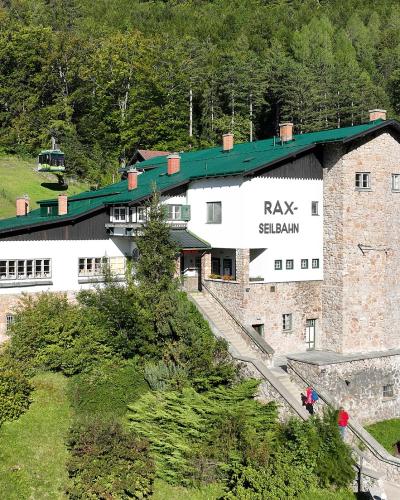
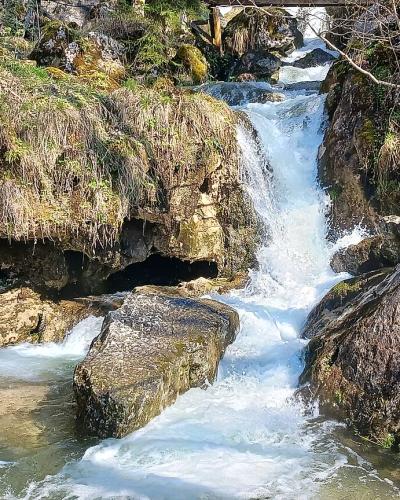
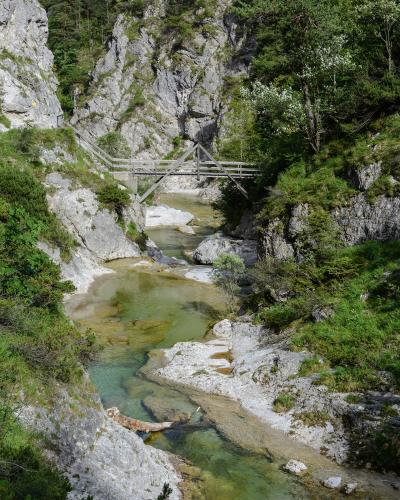
Activities depend on the season. In spring, the apricot orchards of the Wachau bloom, and the Melk Spring Festival and local events begin. In summer, cyclists and walkers dominate; June to August are the main months, and Burgenland to the south-east is easy to add: the Ötschergräben gorges in the Ötscher-Tormäuer Nature Park, the Rax with Austria's oldest passenger cable car, the Myrafälle waterfalls and the long trails of the Waldviertel attract outdoor lovers. Schallaburg Castle, a Renaissance palace in the Melk area, holds exhibitions, and the Kamptal wine region near Langenlois and the Carnuntum wine region east of Vienna offer tastings. In autumn, harvest festivals and new wine, called Sturm, fill the cellars, and in winter, Advent markets and small ski areas operate.
Lower Austria is also a wine country; Wine is part of the identity of the Austrian state. The Wachau, Kamptal, Kremstal, Weinviertel, Carnuntum and the Thermenregion produce a wide range of wines, especially Grüner Veltliner and Riesling in the north and west and red wines such as Zweigelt and Blaufränkisch in the east. Heuriger taverns, marked by a green branch, serve the growers' own wine with cold dishes. Food is hearty, with schnitzel, roast pork, dumplings and strudel, and the Mostviertel in the south-west is known for pear cider.
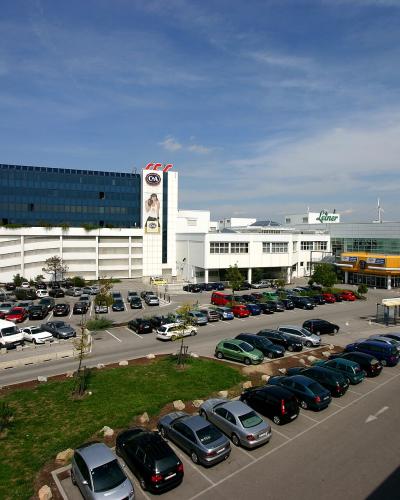
For shopping and everyday life, the state also contains the suburbs of Vienna, including the Shopping City Süd, the biggest shopping centre in Austria, in Vösendorf.
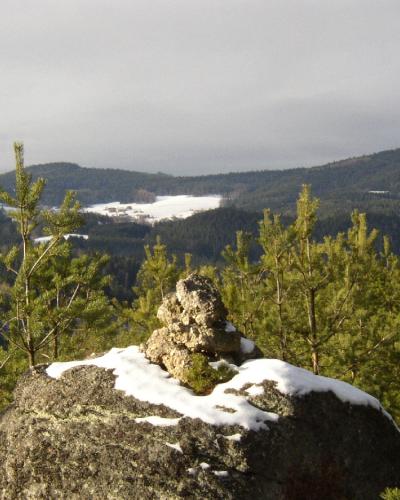
The best time to visit is from May to October, with August for hot days by the River and the Wachau in blossom in April and September and October for wine harvest. Summer is warm, though the high ground is cooler. Winters are cold, with snow in the Alps and in the Waldviertel.
Getting around is simple. The S-Bahn network extends into parts of the state from Vienna, regional trains run to St. Pölten, Krems, Tulln, Wiener Neustadt and other towns, and the A1, A2, A3 and A22 motorways cross the region. Neighbouring countries are close: the Czech Republic and Slovakia can be reached within an hour from the north and east, and Vienna's airport lies on the state's eastern edge in Schwechat.
Best Time to Visit
Visit from May to October for mild weather ideal for hiking and wine tourism, avoiding peak summer crowds.
Plan Your Visit to Lower Austria
Essential travel tips and information for your trip to Lower Austria.
Suggested Itineraries
Travel Tips
Currency
EUR • Cards widely accepted
Language
German • English in tourist areas
WiFi
Free WiFi in cafes and hotels
Explore Lower Austria by Interest
Discover attractions and experiences in Lower Austria organized by your interests and travel preferences.

All attractions in Lower Austria
Sorted by our recommendation score
Quick Facts
Book your stay
Frequently Asked Questions
More destinations in Lower Austria
Explore other amazing places in the Lower Austria region