
Discovering Hall in Tirol
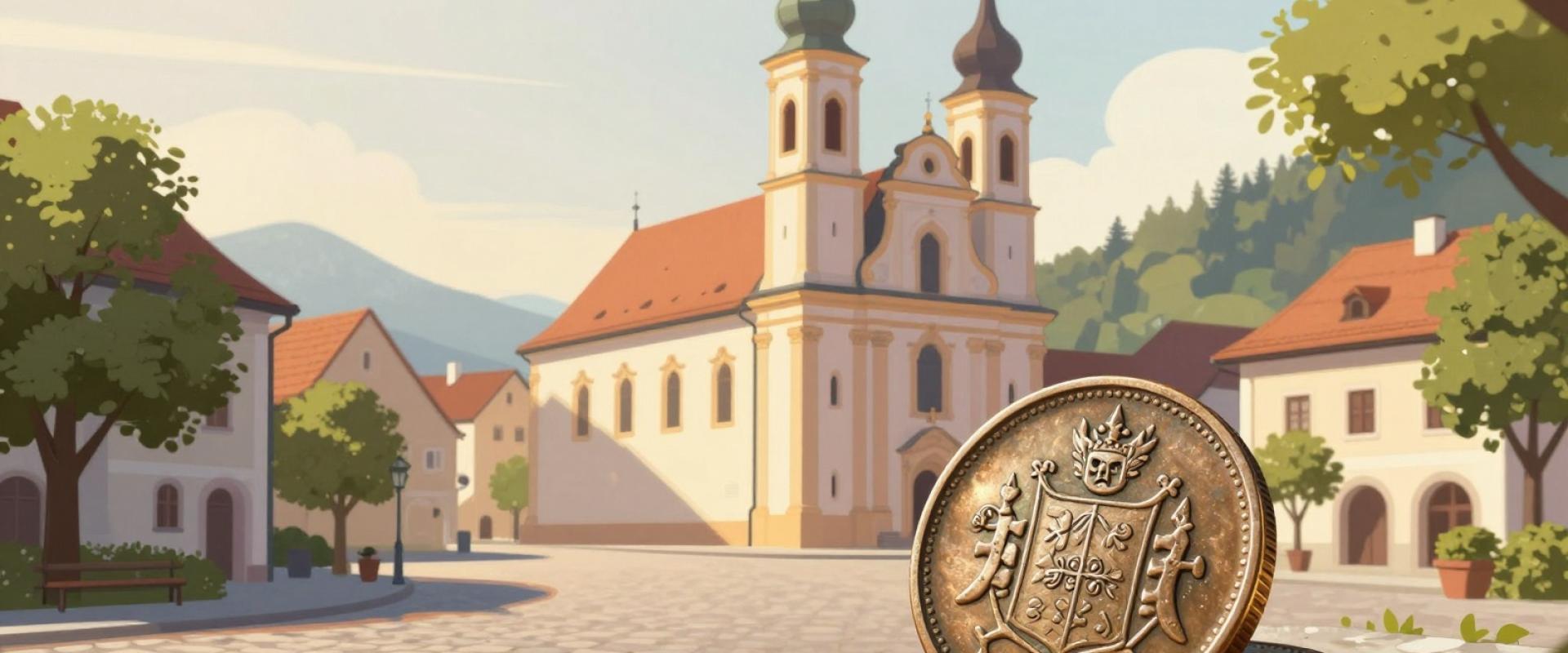
AI-generated illustration AI-generated illustration

Discovering Hall in Tirol

Medieval minting history and Baroque churches in Hall in Tirol

1 day Easy difficulty Est. €35

Day 1: Medieval Charm and Minting History in Hall in Tirol

A full day exploring the well-preserved medieval old town of Hall in Tirol, focusing on its history as a minting center, visiting the iconic Town Hall, and enjoying local cuisine.

  • 09:00

    Stroll through the Medieval Old Town

    Begin your day by walking through the cobblestone streets of the historic center. Admire the well-preserved Renaissance and Baroque facades, including the famous 'Goldenes Dachl' (Golden Roof) of the Town Hall and the many historic merchant houses.

  • 10:10

    Visit the Stadthalle (Town Hall)

    Explore the impressive Stadthalle, built in 1525. This is one of the finest secular buildings of the Renaissance north of the Alps. Don't miss the famous 'Haller Gams' (Hall Deer) sculpture on the facade and the intricate interior halls.

  • 11:50

    St. Michael's Church (Michaelerkirche)

    Visit the parish church of St. Michael, known for its Gothic architecture and the 'Haller Madonna'. The church is centrally located and offers a quiet moment to appreciate the religious history of the town.

  • 13:00

    Traditional Tiroler Lunch

    Enjoy a hearty lunch at a traditional Gasthof in the old town. Try local specialties such as Tiroler Gröstl (fried potatoes with meat and onions) or Kaiserschmarrn (shredded pancake).

  • 14:30

    Explore the Minting History

    Visit the small museum or informational plaques dedicated to Hall's history as a major minting center for silver coins. Learn how the wealth from the Hall silver mines shaped the town's architecture and culture.

  • 15:30

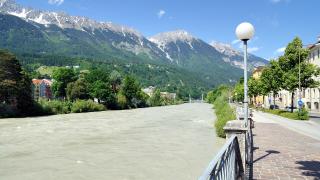
    Relax by the Inn River

    Take a leisurely walk along the Inn River promenade. The views of the surrounding Alps are spectacular, and it's a perfect spot for photos and relaxation after a morning of sightseeing.

  • 16:30

    Afternoon Coffee and Cake

    Stop at a local café for Austrian-style coffee and a slice of Sachertorte or Apfelstrudel. This is a classic way to experience Austrian hospitality.

Meals: Lunch at Traditional Gasthof in Old Town , Snack at Local Café

Where to stay: Hall in Tirol offers several charming guesthouses and hotels within walking distance of the old town. For a more immersive experience, consider staying in a historic guesthouse near the Stadthalle.

Getting around: The old town is compact and best explored on foot. If arriving from Innsbruck, take the S-Bahn (S1 line) which takes about 10-15 minutes. Parking is available on the outskirts of the old town.

Practical Information

Hall in Tirol is best visited during the shoulder seasons of spring (May to June) and autumn (September to October) for mild weather and fewer crowds. While summer offers vibrant outdoor activities, it can be busy, and winter provides a magical atmosphere, particularly for the famous "Hall im Advent" Christmas market, though temperatures will be cold. The town’s compact, pedestrian-friendly center makes getting around easy on foot, allowing visitors to easily explore the medieval architecture and historic sites without needing a car. For those arriving from Innsbruck, which is just a short distance away, public buses and regional trains provide convenient connections, making Hall an ideal day trip or a quiet base for exploring the broader Tyrol region. Accommodation options range from traditional guesthouses to modern hotels, with many located within walking distance of the historic town center. Staying in Hall allows for a peaceful retreat after a day of sightseeing, with many establishments offering authentic Tyrolean hospitality. Budget considerations should account for the fact that while Hall is generally more affordable than major tourist hubs like Innsbruck, Austria remains a relatively expensive destination. Costs typically include accommodation and meals, but entrance fees for specific attractions, such as the mint museum or local churches, may be extra. Travelers should also budget for dining, as traditional Austrian cuisine can be pricey, though local bakeries and markets offer more economical alternatives. When packing, prioritize comfortable walking shoes for navigating the cobblestone streets and uneven terrain. Layered clothing is essential due to the variable mountain weather, even in summer. Bring a camera to capture the stunning Baroque architecture and the iconic mint building. Essential items include a reusable water bottle, as tap water is safe and high-quality, and a small daypack for carrying essentials during exploration. Important tips include checking opening hours for museums and shops in advance, as they may have limited hours on Mondays or during siesta times. Additionally, learning a few basic German phrases can enhance interactions with locals, and respecting the quiet hours in residential areas is appreciated. Finally, consider purchasing a regional travel card if planning to explore surrounding areas like Wattens or the Swarovski Crystal World, as it can offer significant savings on public transportation.

Book your stay

More Itineraries