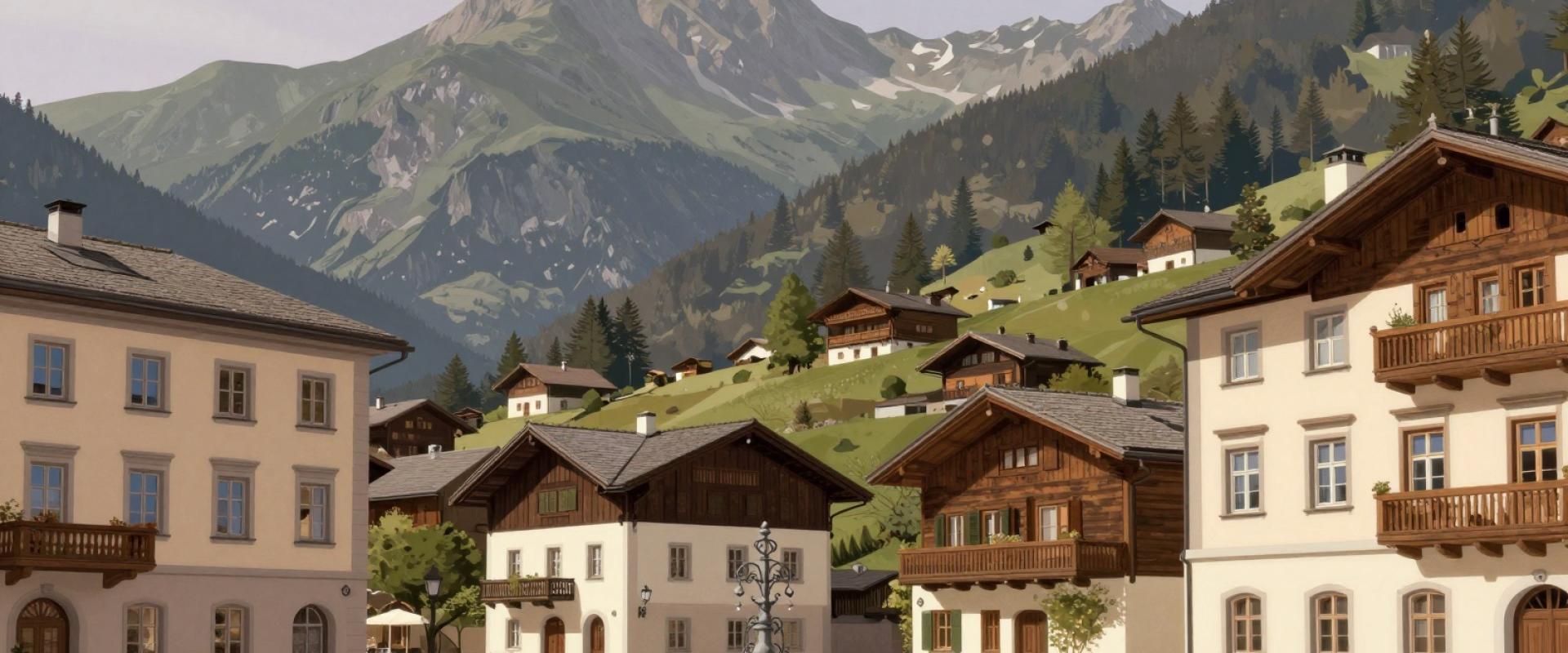
AI-generated illustration
Austria First-Timer's Guide
10-day journey through Austria's Alps, cities, and culture
10 days
•
Challenging difficulty
•
Est. €1,024
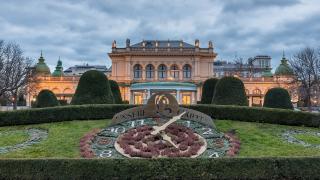
Day 1: Arrival in Vienna & Imperial Grandeur
Arrive in Vienna, check into your hotel, and explore the historic center. Visit the Hofburg Palace and stroll through the city parks.
-
10:00
Arrival and Transfer to Hotel
Arrive at Vienna International Airport (VIE) and take the CAT train or taxi to your city center hotel.
-
11:30
Hofburg Palace
Explore the former principal imperial palace of the Habsburg dynasty.
-
13:30
Lunch at a Traditional Beisl
Enjoy a classic Austrian schnitzel and potato salad at a local tavern.
-
15:00
St. Stephen's Cathedral
Visit the iconic Gothic cathedral in the heart of Vienna.
-
16:30
Ringstrasse Walk
A leisurely walk along the grand boulevard surrounding the historic center.
Meals:
Lunch at Innere Stadt , Dinner at Near Hofburg
Where to stay: Stay in Innere Stadt (1st District) for easy access to major sights.
Getting around: Walking is sufficient for the city center. Use U-Bahn for longer distances.
Day 2: Vienna's Art & Coffee House Culture
Dive into Vienna's artistic heritage with a visit to the Belvedere and experience the famous coffee house culture.
-
09:00
Belvedere Palace
View Gustav Klimt's 'The Kiss' and other masterpieces in this stunning baroque palace.
-
11:30
Coffee and Sachertorte
Experience Viennese coffee house culture at Café Central or Demel.
-
13:00
Kunsthistorisches Museum
Explore one of the world's most important art museums.
-
15:30
Prater Park
Relax in the large public park and see the Giant Ferris Wheel.
Meals:
Lunch at Near Belvedere , Dinner at Neubau District
Where to stay: Stay in Innere Stadt (1st District).
Getting around: Use U-Bahn (U1, U2) to reach Belvedere and Prater.
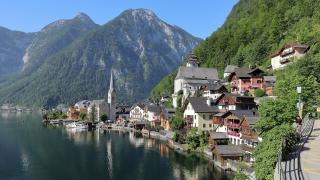
Day 3: Day Trip to Hallstatt
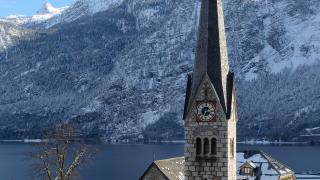
Take a day trip to the UNESCO World Heritage site of Hallstatt, known for its stunning lake and salt mines.
-
07:30
Train to Hallstatt
Take an early train from Vienna to Hallstatt (via Attnang-Puchheim).
-
11:00
Hallstatt Village Walk
Explore the picturesque village and take photos at the iconic viewpoint.
-
13:00
Lunch with a View
Enjoy lunch at a restaurant overlooking the lake.
-
14:30
Hallstatt Salt Mines
Tour the ancient salt mines and slide down the salt mine slide.
Meals:
Lunch at Hallstatt , Dinner at Back in Vienna
Where to stay: Return to Vienna for the night.
Getting around: Train is the best option. Book tickets in advance.
Day 4: Travel to Salzburg & Mirabell Gardens
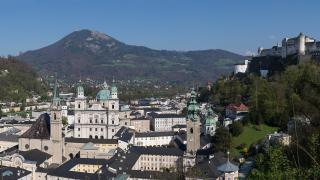
Travel to Salzburg, the birthplace of Mozart, and explore the Old Town.
-
08:00
Train to Salzburg
Take the Railjet train from Vienna to Salzburg (approx. 2.5 hours).
-
11:00
Mirabell Gardens
Stroll through the beautiful baroque gardens, famous from The Sound of Music.
-
12:00
Lunch in Altstadt
Try a traditional Apfelstrudel and coffee.
-
13:30
Salzburg Cathedral
Visit the impressive baroque cathedral in the heart of the Old Town.
Meals:
Lunch at Altstadt , Dinner at Near Residenzplatz
Where to stay: Stay in Altstadt (Old Town) for easy access to sights.
Getting around: Walking is best for exploring the Old Town.
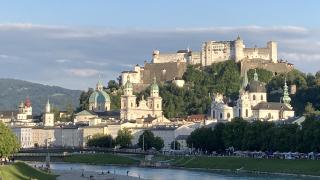
Day 5: Hohensalzburg Fortress & Mozart's Birthplace
Explore Salzburg's most iconic landmarks, including the fortress and Mozart's birthplace.
-
09:00
Hohensalzburg Fortress
Take the funicular up to the fortress for panoramic views of the city.
-
11:30
Snack at the Fortress
Grab a pretzel and drink at the fortress café.
-
13:00
Lunch in Getreidegasse
Lunch in the famous shopping street.
-
14:30
Mozart's Birthplace
Visit the museum in the house where Wolfgang Amadeus Mozart was born.
-
16:30
Salzach River Walk
A relaxing walk along the river towards the Nonnberg Abbey.
Meals:
Lunch at Getreidegasse , Dinner at Near Residenzplatz
Where to stay: Stay in Altstadt (Old Town).
Getting around: Walking is sufficient.
Day 6: SchafbergBahn & Upper Austria
Travel to Upper Austria and take the SchafbergBahn, Austria's steepest cog railway.
-
08:00
Train to St. Wolfgang
Take a train from Salzburg to St. Wolfgang im Salzkammergut.
-
10:00
SchafbergBahn Ride
Ride the historic steam cog railway to the top of Schafberg mountain for stunning views.
-
14:00
Lunch at the Summit
Enjoy lunch at the mountain restaurant.
-
15:30
Hike Down or Boat Ride
Optional hike down or boat ride across Lake Wolfgang.
Meals:
Lunch at Schafberg Summit , Dinner at St. Wolfgang
Where to stay: Stay in St. Wolfgang or travel to Linz.
Getting around: Train and boat connections are excellent in Salzkammergut.
Day 7: Linz: Art, Culture & The Danube
Explore Linz, the European Capital of Culture, focusing on its modern art and industrial heritage.
-
09:00
Kunsthaus Graz (Note: Located in Graz, but included for context if route allows. If in Linz, swap for Lentos)
If in Linz, visit Lentos Kunstmuseum instead. This slot is flexible based on exact location.
-
11:00
Lentos Kunstmuseum
Modern art museum on the Danube front.
-
13:00
Lunch in Linz
Try Linzer Torte, the famous local pastry.
-
14:30
Ars Electronica Centre
Museum of the future featuring interactive media art.
-
16:30
Danube Riverfront Walk
Stroll along the Danube, blending industrial heritage with modern culture.
Meals:
Lunch at Linz Center , Dinner at Linz Old Town
Where to stay: Stay in Linz city center.
Getting around: Walking and local trams.
Day 8: Kalkalpen National Park & Nature
Visit Kalkalpen National Park, Austria's largest continuous primeval forest wilderness.
-
08:30
Drive to Kalkalpen
Drive from Linz to Kalkalpen National Park entrance.
-
10:30
Hike in Kalkalpen
Explore the primeval forest on marked trails.
-
13:30
Picnic Lunch
Pack a picnic or eat at a nearby mountain hut.
-
15:00
Visit Visitor Center
Learn about the park's ecology and wildlife.
Meals:
Lunch at Park Area , Dinner at Enns or Steyr
Where to stay: Stay in Enns or Steyr.
Getting around: Car is necessary for this day.
Day 9: Graz: Historic Center & Modern Art
Travel to Graz, the capital of Styria, and explore its UNESCO Old Town and modern art scene.
-
08:00
Train to Graz
Take the train from Linz/Enns to Graz.
-
10:30
Eggenberg Palace
Visit the 17th-century palace with original state rooms and art.
-
12:30
Lunch in Altstadt
Lunch in the historic center.
-
14:00
Kunsthaus Graz
Visit the biomorphic 'Friendly Alien' gallery with LED BIX façade.
-
16:30
Altstadt (Old Town)
Explore the UNESCO Old Town, including the Uhrturm (Clock Tower).
Meals:
Lunch at Altstadt , Dinner at Near Hauptplatz
Where to stay: Stay in Altstadt (Old Town) Graz.
Getting around: Walking is best for the Old Town.
Day 10: Carinthia Lakes & Departure
Visit Lake Millstättersee in Carinthia for e-biking or relaxation before departing.
-
08:00
Drive to Millstatt
Drive from Graz to Millstatt am See in Carinthia.
-
11:00
E-biking Around Lake Millstättersee
Enjoy an award-winning e-bike region with 1,000+ routes.
-
14:00
Lunch by the Lake
Fresh fish or local specialties by the lake.
-
15:30
Relax at Strandbad Steinbach
Optional swim or relaxation at the lake beach.
Meals:
Lunch at Millstatt , Dinner at Near Airport Klagenfurt
Where to stay: Depart from Klagenfurt Airport (KLU) or drive to Vienna/Munich.
Getting around: Car is recommended for flexibility.
Practical Information
For a 10-day first-time visit to Austria, the optimal travel windows are late spring (May to June) and early autumn (September to October). These seasons offer mild temperatures ideal for exploring cities and hiking the Alps, avoiding the peak summer crowds and winter snow that can limit accessibility in certain regions. While summer provides long daylight hours for sightseeing, it brings higher prices and larger tourist volumes. Winter is best reserved for dedicated ski trips, whereas spring and autumn balance pleasant weather with manageable travel conditions.
Transportation logistics should be planned carefully based on your entry point. While the itinerary suggests starting and ending in Innsbruck, many travelers find it more convenient to fly into Munich (MUC) or Vienna (VIE) and rent a car, as these hubs offer easier flight connections and car rental returns. Austria’s central location makes it easily accessible via major European carriers like Lufthansa and Austrian Airlines. If you choose not to drive, the rail network is efficient and scenic, connecting major hubs like Innsbruck, Salzburg, Graz, and Vienna. However, a road trip offers greater flexibility for exploring remote alpine areas, wine regions, and smaller villages that are less accessible by public transport.
Accommodation varies by region. In Innsbruck, the "Capital of the Alps," consider staying near the historic center for easy access to landmarks like the Bergisel ski jump and Wilten Basilica. In Vienna, staying in the first district (Innere Stadt) provides proximity to major historical sites, while Salzburg offers charming stays near the Altstadt. For rural segments of a road trip, guesthouses (Gasthöfe) in wine regions or alpine valleys provide authentic experiences.
Budgeting for Austria requires accounting for higher costs in tourist-heavy areas like Salzburg and Vienna. Costs typically include accommodation, car rental (if driving), fuel, and entry fees for attractions like the Grassmayr Bell Foundry. Meals, particularly at restaurants specializing in local seasonal cuisine, can be expensive, so budget accordingly. Exclude international flights and travel insurance from daily estimates.
Pack layers suitable for variable mountain weather, including waterproof jackets and sturdy hiking shoes. Even in summer, alpine temperatures can drop significantly. Bring a reusable water bottle, as tap water is safe and widely available. Finally, carry cash for smaller establishments and rural areas, though credit cards are accepted in most hotels and larger restaurants. Learning a few basic German phrases can enhance interactions, though English is widely spoken in tourist areas.
Book your stay
More Itineraries
2 days
Austrian Tyrol Weekend Getaway
Two-day mountain exploration in Austrian Tyrol
View Itinerary →