
- Admission
- Free admission
- Where
- Graz, Styria
- Directions
- Directions
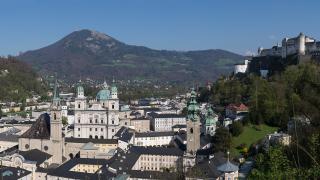
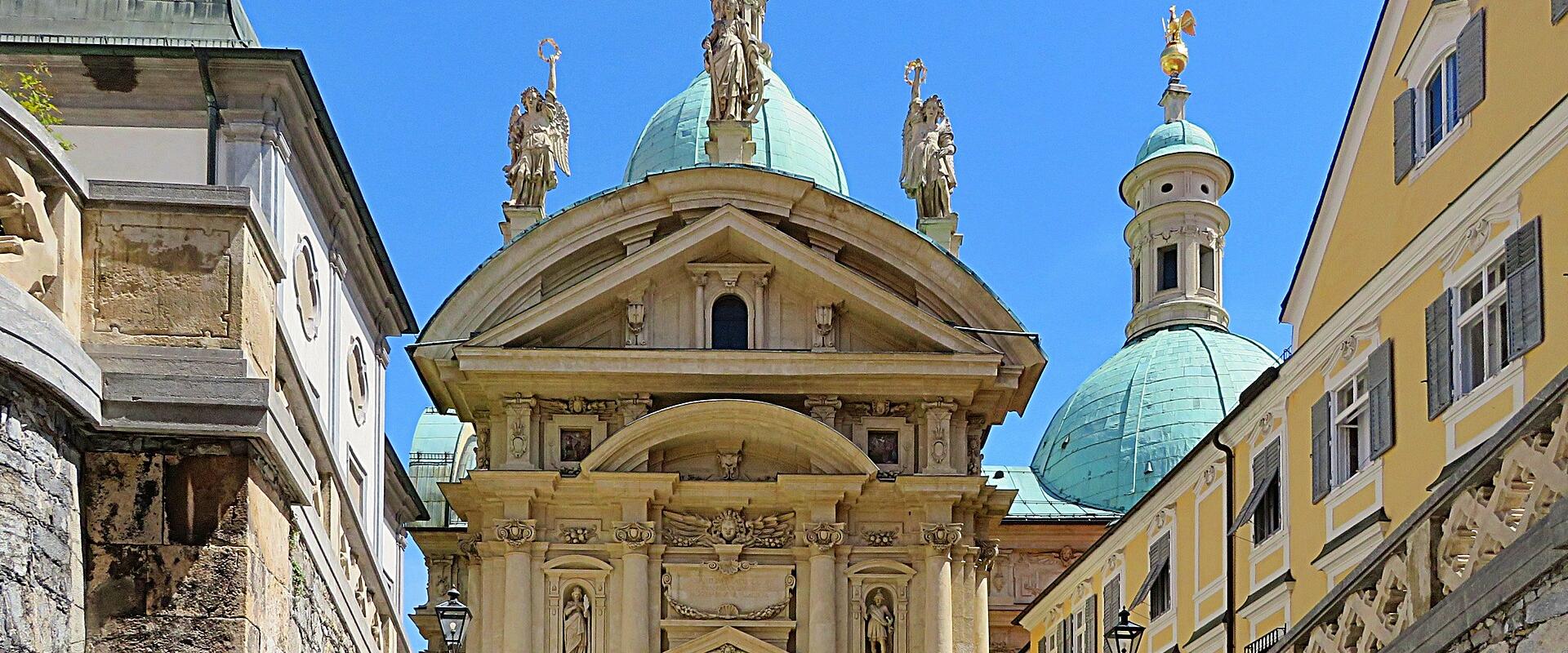
The Mausoleum in Graz is the burial place of Emperor Ferdinand II, and it stands directly beside the cathedral in the old town, close to the former imperial residence. Its most obvious feature is the pair of turquoise domes, the colour of weathered copper, that rise above the surrounding roofs and are easily seen from the castle hill and the streets nearby. The complex is a rare surviving example of Habsburg court architecture in Graz, which was the capital of Inner Austria before the court moved to Vienna.
Ferdinand II, the ruler of the Habsburg lands and Holy Roman Emperor, was born in Graz and is remembered as a determined champion of the Counter-Reformation. He began the planning for his own burial place while still Archduke, and the commission went to the court artist and architect Giovanni Pietro de Pomis, who was working in Graz at the time. De Pomis designed a building that reflects Italian influences, drawing on forms found in Florence and elsewhere in Italy, which was unusual for Styria at the time and shows the cosmopolitan taste of the court. The project continued over many years, and the interior received further attention in later decades, including work attributed to the young Johann Bernhard Fischer von Erlach, who went on to become the leading architect of Baroque Vienna.
Inside, the mausoleum includes a church-like space richly decorated with stucco and frescoes, and a crypt where the sarcophagi are kept. The emperor died in 1637, and he lies here with his first wife, Maria Anna of Bavaria, who had died in 1616. The atmosphere is quiet and reflective, with a sense of the weight of dynastic history and religious ambition.
Because the site is next to the cathedral, it fits easily into a walk through the old town. The Schlossberg, the Eggenberg Palace and the Franciscan Church are within reach, and the old town itself is a UNESCO World Heritage site. Access to the interior is limited, with opening typically concentrated on certain days in the warmer months, and guided visits can be arranged through the diocesan museum, so check the current arrangements before you go.
The mausoleum suits visitors interested in architecture, Habsburg history and church art, and it rewards a short, quiet visit even if you only admire the exterior and the domes from the street.
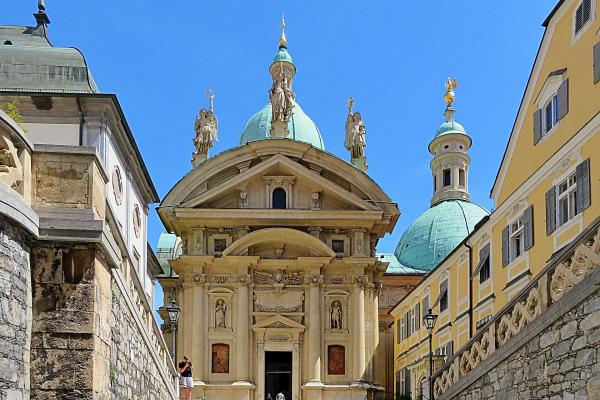
More photos coming soon
Admission Fees
- Admission
- Free admission
Hours and prices change, especially out of season. Check with the venue before you go.
Nearby Attractions
Other places to visit in Graz
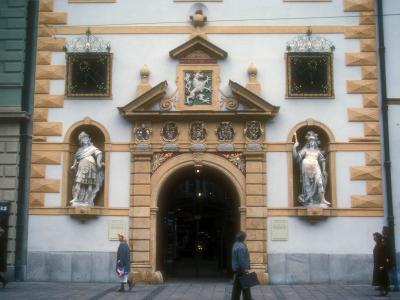
Styrian Armoury
World's largest preserved historical armoury
History & Heritage · Museums & Art
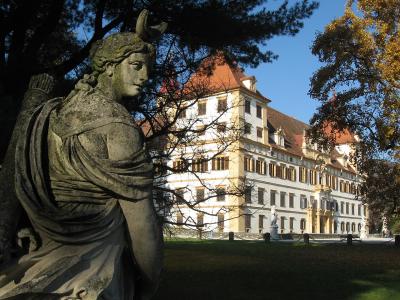
Eggenberg Palace
17th-century palace with original state rooms and art
Museums & Art · Architectural Highlights
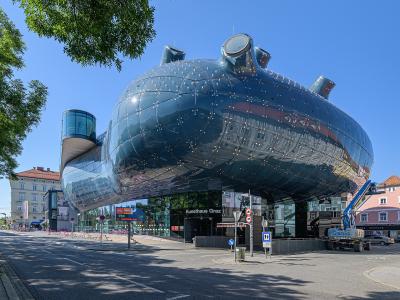
Kunsthaus Graz
Friendly alien contemporary art museum
Architectural Highlights · Contemporary Art
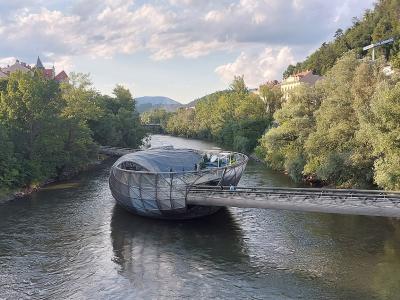
Murinsel
Vito Acconci's steel island café on the Mur River
Free Museums & Art · Urban Exploration
Questions people ask
Quick Facts
Best Time to Visit
Visit from mid-June to early September for warm weather ideal for outdoor activities and riverfront exploration.