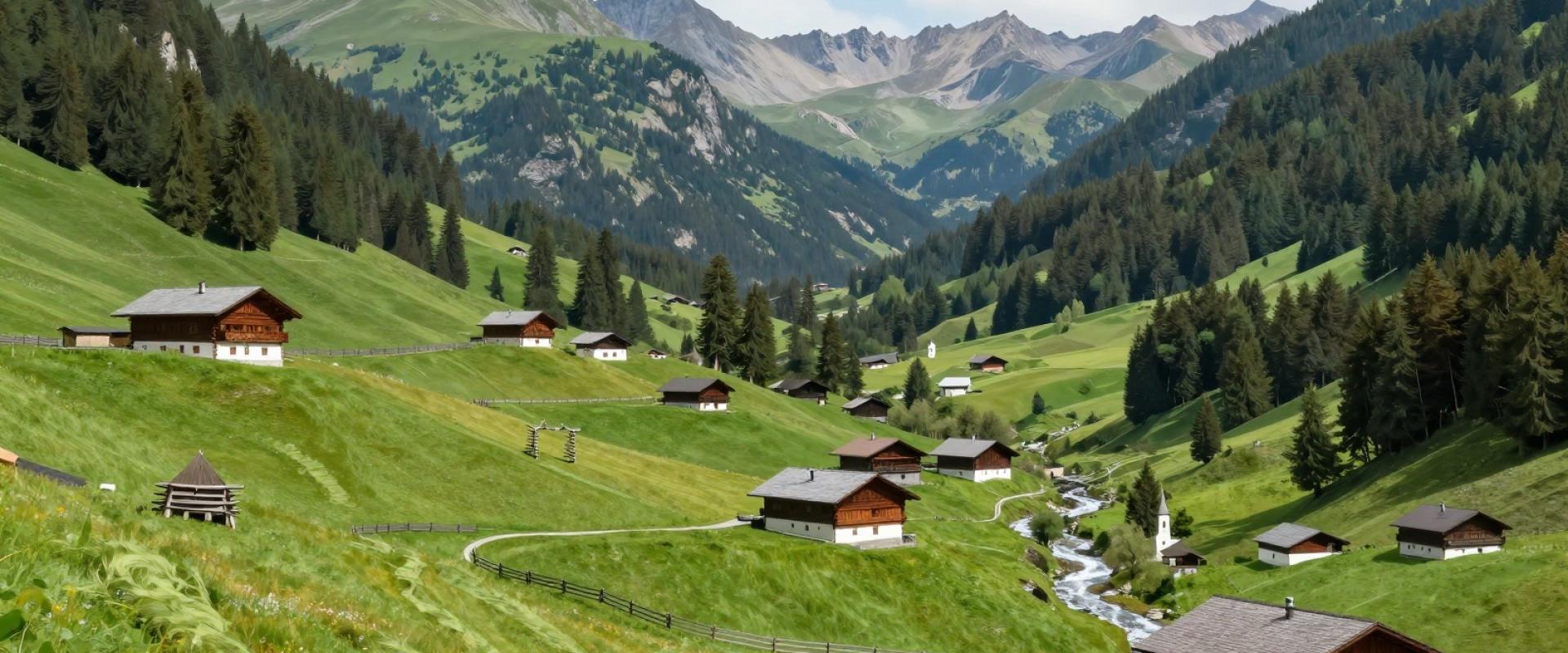
Villgraten Valley
East Tyrol ski resort with traditional villages
- Admission
- Contact the attraction directly
- Hours
- Contact the attraction directly to confirm opening hours
- Where
- Innervillgraten, Tyrol
- Directions
- Directions
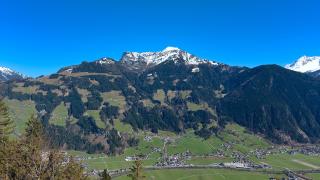
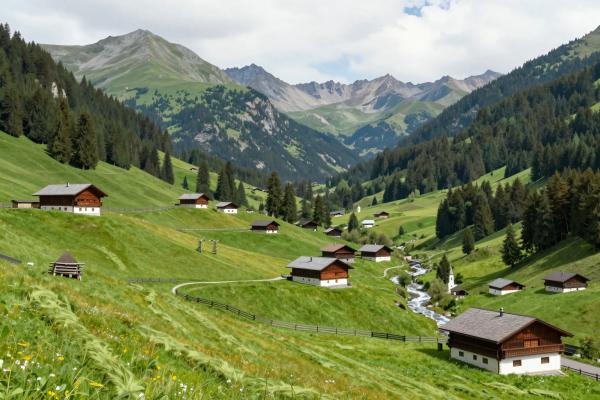
The Villgratental is a quiet valley in East Tyrol, the part of the province that is cut off from the rest of Tyrol by a strip of South Tyrol in Italy. It branches off the Puster valley near Sillian and runs north, with two main villages, Außervillgraten near the entrance and Innervillgraten further in. The valley is remote and little developed, with steep farms, hay meadows, larch woods and, above them, the rounded, grassy peaks of the Villgraten mountains. For many visitors, this lack of crowds is exactly the appeal, and the valley is a good choice for people who prefer quiet to a resort atmosphere.
The valley is best known to winter sports fans as a ski touring area. The mountains here have gentle, open slopes suited to touring on skins, and there are no large lifts or snow-making systems to spoil the landscape. Local initiatives have worked to mark and maintain touring routes, and guides can lead groups, which has made the valley a popular destination for ski mountaineers from Austria, Germany and Italy who like unspoilt terrain. A couple of small lifts serve beginners and families near the villages, but the character is that of a natural landscape rather than an organised ski area. Avalanche awareness is essential, and local advice should be sought.
In summer, the same slopes become walking country. Paths lead from the villages to alpine pastures, mountain lakes and ridges, and the hiking is gentle for the most part, with long views over the surrounding ranges. Farms still make hay by hand on the steepest meadows, and cows graze in the high pastures. The valley has a reputation for sustainable local products, and the use of sheep's wool is a speciality, with local firms making natural insulation and bedding from the wool of the region's sheep.
The villages themselves are small and traditional, with timber farmhouses, a church at the centre and a few inns serving regional dishes. Guest houses and farm stays are the main accommodation, and many of the people who live here have worked to preserve the local identity while welcoming visitors in a modest way. Because East Tyrol is separated from the rest of the province, it can be reached from Innsbruck by a route through Italy or via the Felbertauern tunnel.
The valley suits ski tourers, walkers and anyone who enjoys quiet mountain villages. Check road and weather conditions in winter, and bring warm clothing, as the valley can be cold.
Categories
More photos coming soon
Hours & Fees
- Open
- Contact the attraction directly to confirm opening hours
- Admission
- Contact the attraction directly
Hours and prices change, especially out of season. Check with the venue before you go.
Nearby Attractions
Closest attractions by distance
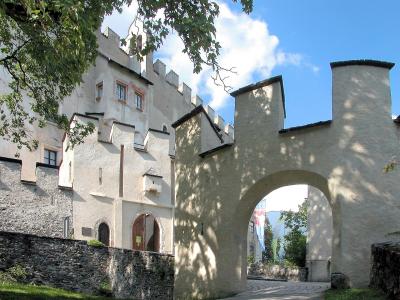
Schloss Bruck
Medieval castle housing the Regional Museum Lienz
Historic Palaces · Medieval Castles
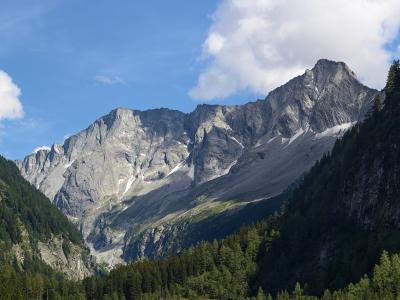
Hohe Tauern National Park
Central Europe's largest national park, home to the Großg...
Mountain Hiking · National Parks
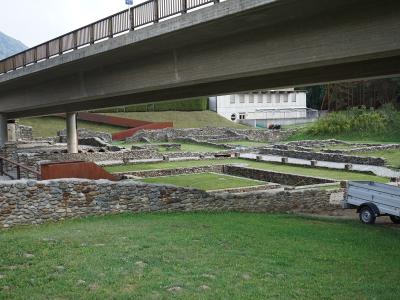
Aguntum
Oldest Roman city in Tyrol
Archaeological Sites
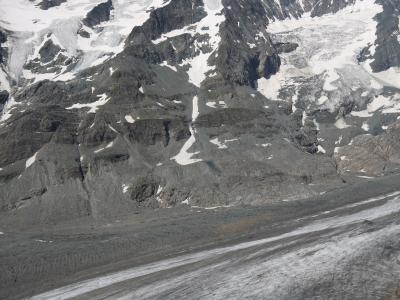
Pasterze Glacier
Largest East Alpine glacier in the Hohe Tauern
Natural Wonders
Buchenegg Waterfalls
Forest waterfall in Hittisau, Austria
Natural Wonders · Mountain Hiking
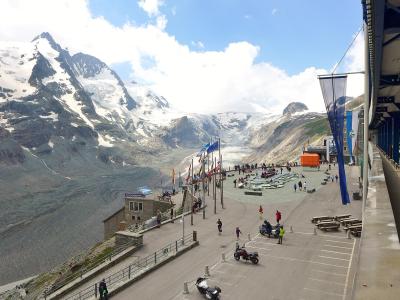
Kaiser-Franz-Josefs-Höhe
Highest point of the Grossglockner High Alpine Road
Free Mountain Hiking · Scenic Valleys
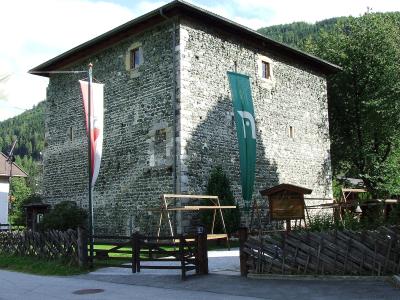
Felberturm Museum
12th-century tower with Alpine trade exhibits
From €4.60 Museums & Art · Local History
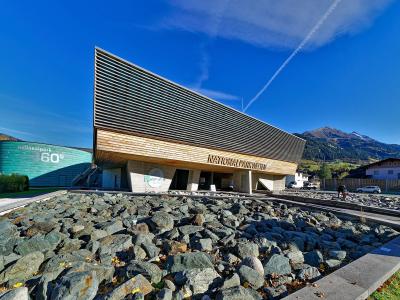
Nationalparkwelten Mittersill
Hohe Tauern nature center in Misters, Austria
From €15 Mountain Hiking
Questions people ask
Quick Facts
Best Time to Visit
June to September for walking among the grass mountains; January to March for ski touring and snowshoeing.