Austrian Tyrol
Alpine region in western Austria with skiing and hiking
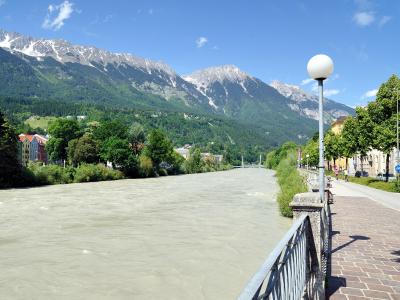
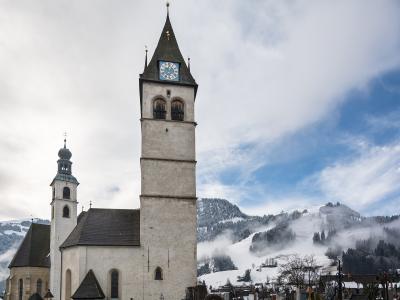
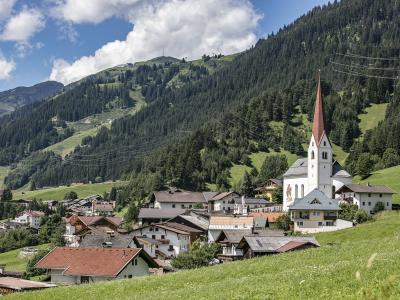
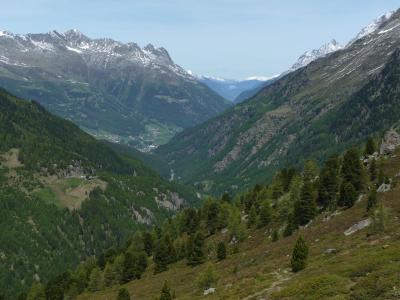
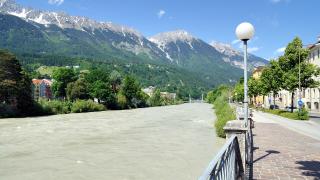
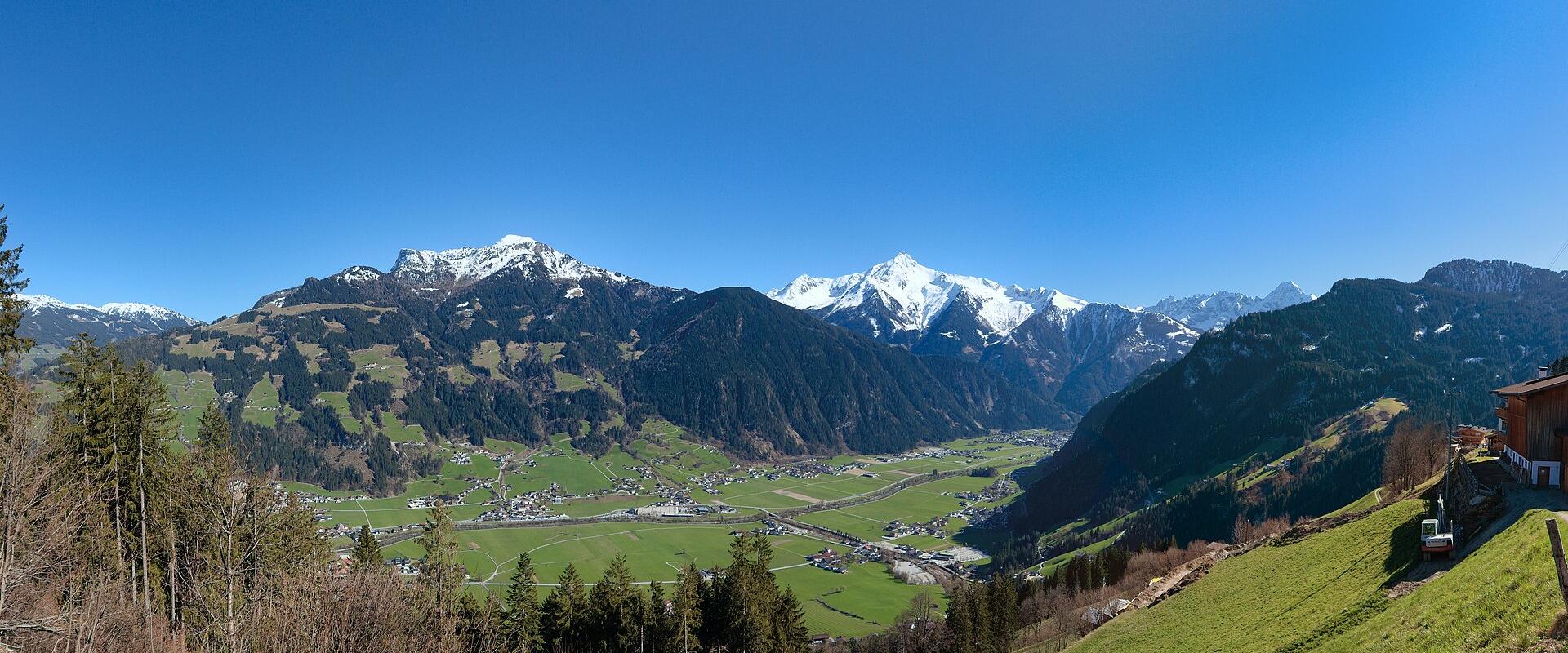
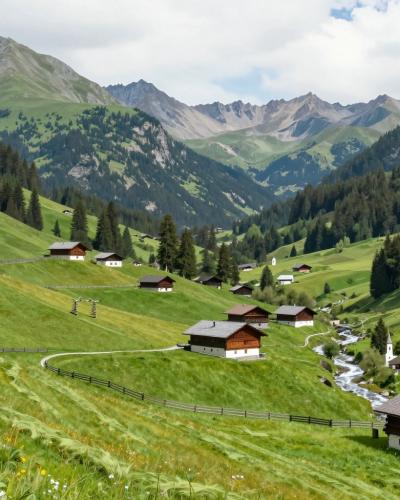
Tyrol covers about 12,600 square kilometres of mountains, and almost all of it lies above 500 metres. About 760,000 people live in the state, most of them in the Inn Valley, the long east-west corridor that links Kufstein, Innsbruck and Landeck. North Tyrol and East Tyrol are separated by a strip of Salzburg state and a small part of Italy, which is a legacy of the 1919 treaty that gave South Tyrol to Italy. The Felbertauern Tunnel and the roads through Salzburg now connect the two halves.
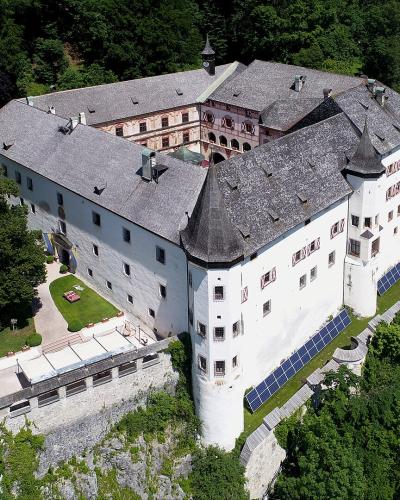
The state's history is shaped by the Alps and by trade. The Brenner Pass, the lowest of the main Alpine crossings, carried goods and armies between Germany and Italy for millennia, and the Romans built a road here. In the Middle Ages, Tyrol was a county within the Holy Roman Empire, then passed to the Habsburg dynasty in 1363, and the Habsburgs held it for centuries, and it became a core possession of the Habsburg Monarchy, a German-speaking land in the Alps that looked both north and south. Silver mining at Schwaz, salt at Hall and the Innsbruck court gave it wealth. In 1809, Tyrolean rebels under the innkeeper Andreas Hofer rose against Bavarian and French rule in the Napoleonic Wars, a story that remains central to local identity, and the Bergisel hill above Innsbruck is the site of their battles. Castles, fortresses and museums throughout the state preserve this past.
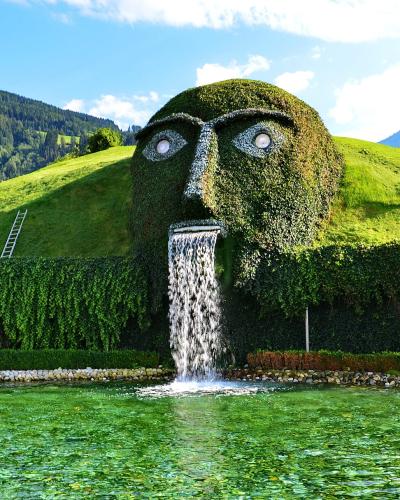
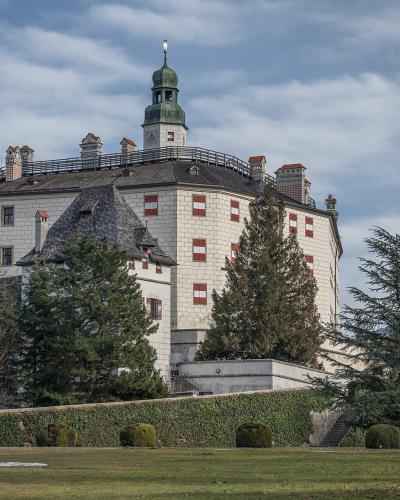
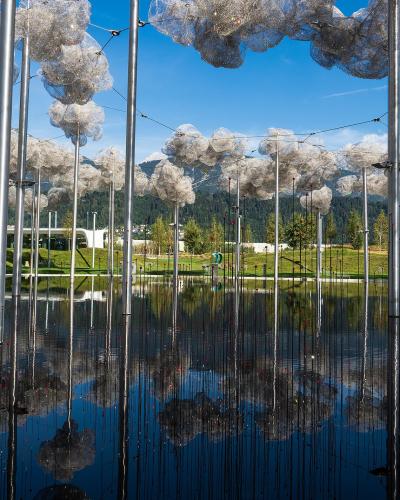
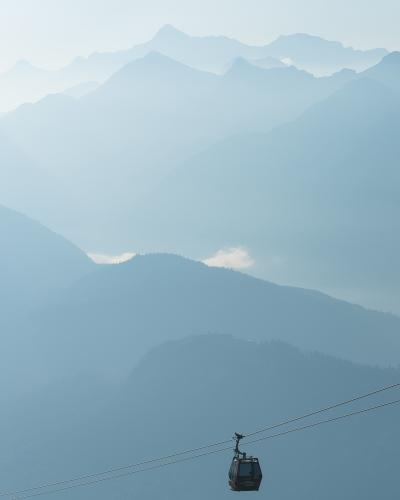
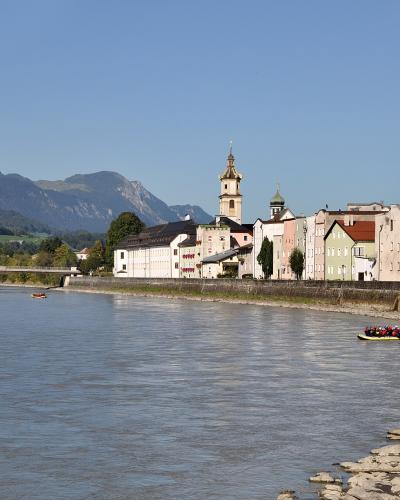
Innsbruck, the state capital, is the main city, a place of arcaded lanes, the Golden Roof and the Hofburg Palace, where Winter Olympics were held in 1964 and 1976. Ambras Castle, a Renaissance residence on a hill above the city, and the Tyrolean Folk Art Museums show the cultural side, and the Nordkette cable car lifts visitors from the city to alpine terrain in minutes. In Wattens, east of the city, the Swarovski Crystal Worlds is an unusual art-and-glass attraction, and Rattenberg, on the Inn, is the smallest town in Austria and a centre of glass-making.
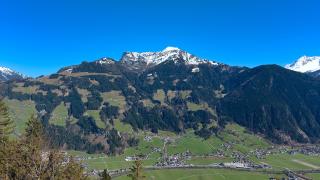
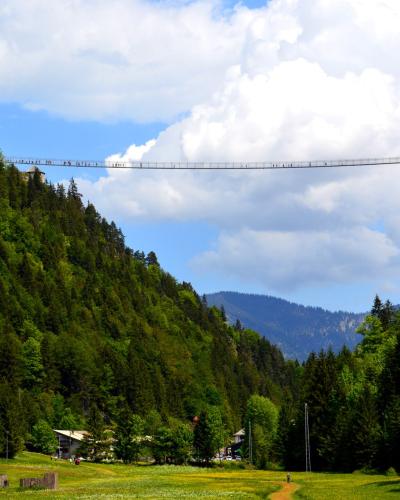
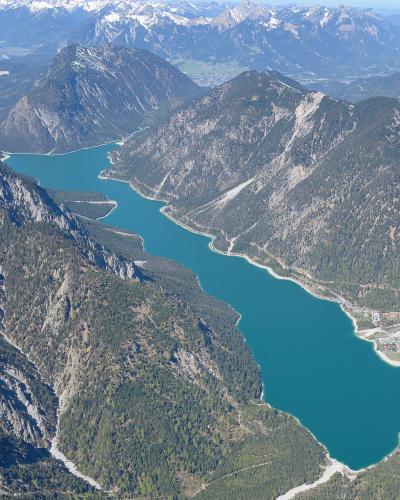
The great ski valleys are the Zillertal, with Mayrhofen and the Hintertux Glacier, the Ötztal with Sölden and its glaciers, and the Stubai Valley with its glacier, while Ischgl and St. Anton on the western side form famous resorts. In summer, the same valleys offer hiking, mountain biking and via ferrata routes. In the Reutte region, the Highline179, a long pedestrian suspension bridge, links the ruins of Ehrenberg Castle with a hill opposite, and the nearby Plansee, a deep alpine lake, is a swimming and sailing place. The Zugspitze, at 2,962 metres the highest peak in Germany, can be climbed or reached from the Tyrolean side by cable car from Ehrwald.
The lakes are a counterpoint to the peaks. Lake Achensee, known as the Tyrolean Sea, is the largest lake in the state, and its water, fed by streams from the Karwendel, is clear enough for diving and sailing. The Weissensee, across the border in Carinthia, is also popular with visitors who come to the region. Tyrol's cultural life includes the brass bands and costume traditions of the valleys, the Alpine folk art museums, and festivals such as the Innsbruck Festival of Early Music.
Food is hearty and local. Tiroler Gröstl, a pan of potatoes, bacon and fried egg, Kaspressknödel, cheese dumplings in broth, and Kaiserschmarrn, a torn pancake with fruit compote, are the classics, along with Speck, a smoked ham, and Tiroler Almkäse, mountain cheese. In the huts and farms, simple dishes taste better after a day on the trails.
The seasons shape a visit. From December to March, skiing and snowboarding dominate, with the best snow in January and February and glacier skiing from autumn. May to October is hiking and cycling season, with July and August warmest and September and early October clear and quiet. In spring and late autumn many mountain businesses close.
Getting around is manageable. Innsbruck Airport has flights from several European cities, and Munich airport, about two hours from Innsbruck, is often a better entry. Trains run on the Inn Valley line, with Railjet services from Munich, Vienna and Zurich, and the A12 Inntal Autobahn and the Brenner motorway link the valley with Germany and Italy. Zurich is about three and a half hours by train from Innsbruck, and Vienna about four and a half hours. Local buses reach most villages, and in winter ski buses connect the lifts.
Best Time to Visit
Visit from December to March for skiing, or May to September for hiking and lake activities.
Did you know?
Interesting, verified facts about Austrian Tyrol
Austrian Tyrol Has a Second Local Claim
HistoryDivided into North Tyrol and East Tyrol, separated by the state of Salzburg, it is bordered by Germany to the north and Italy to the south.
Source: Tyrol (state) - WikipediaPlan Your Visit to Austrian Tyrol
Essential travel tips and information for your trip to Austrian Tyrol.
Suggested Itineraries
Travel Tips
Currency
EUR • Cards widely accepted
Language
German • English in tourist areas
WiFi
Free WiFi in cafes and hotels
Explore Austrian Tyrol by Interest
Discover attractions and experiences in Austrian Tyrol organized by your interests and travel preferences.

All attractions in Austrian Tyrol
Sorted by our recommendation score
Quick Facts
Book your stay
Frequently Asked Questions
More destinations in Tyrol
Explore other amazing places in the Tyrol region