The Wachau in brief
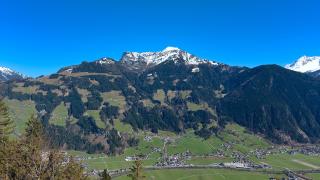
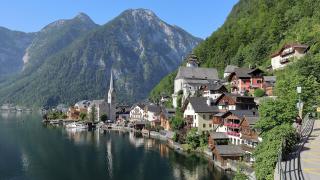
The Wachau is a 36 km stretch of the Danube valley between Melk and Krems in Lower Austria. Its steep, terraced vineyards, small wine villages, abbeys and castle ruins were listed by UNESCO as the Wachau Cultural Landscape in December 2000. It is about an hour from Vienna, making it one of the easiest wine regions in Austria to visit without a car.
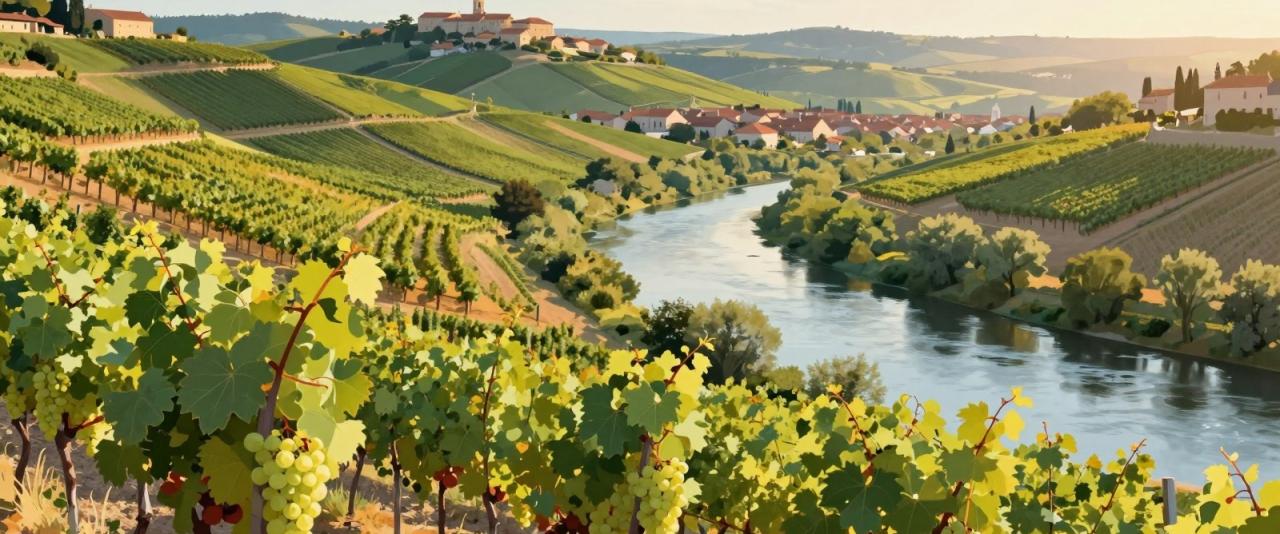
The valley is narrow, and the best vineyards sit on dry stone terraces on the steep slopes above the river, mainly on the north bank. The combination of warm days, cool air drawn down from the forested hills at night and the river's influence gives the Wachau its reputation for precise, long-lived white wines.
The grapes
Two white grapes dominate:
- Grüner Veltliner: Austria's signature grape, typically fresh with a peppery note in lighter styles and richer with age in the riper wines.
- Riesling: grown on many of the steepest, rockiest terraces, producing dry wines with high acidity and a long life in the bottle.
You will also find smaller amounts of other varieties, but Grüner Veltliner and Riesling are what the region is known for.
Understanding the label: Steinfeder, Federspiel, Smaragd
The Vinea Wachau winegrowers' association, founded in 1983, created its own three-tier system for dry wines, which you will see on many Wachau labels:
- Steinfeder: the lightest, most delicate style, lower in alcohol and best drunk young. It is named after a feather grass that grows on the vineyard terraces.
- Federspiel: medium-bodied, the everyday style of the region, good with food.
- Smaragd: the ripest and fullest-bodied wines, from the best sites and later picking, often capable of ageing for many years. It is named after a green lizard that lives among the vineyard walls.
The categories describe ripeness and style rather than quality alone. A good Federspiel is often the best value on a wine list.
The main wine villages
Following the river downstream from Melk on the north bank:
- Spitz: a wine village built around a vineyard-covered hill in its centre, with wineries and taverns in the old streets.
- Weißenkirchen: a village with a fortified church on the slope above its square, and some of the region's best-known vineyard sites on the surrounding hills.
- Joching and Wösendorf: smaller villages between Spitz and Weißenkirchen, lined with old winegrowers' houses.
- Dürnstein: the most famous village in the valley, with the blue-and-white tower of its former abbey church and the castle ruin above, where Richard I of England was held captive in the 1190s. It gets very busy in summer.
- Krems and Stein: at the eastern end of the Wachau, with an old town, wine shops and the Kunstmeile museum district.
On the south bank, villages such as Mautern, Rossatz and Arnsdorf are quieter, with views across to the terraces opposite.
Visiting wineries and Heurigen
- Wineries: many family estates sell directly from the cellar door. Some have fixed opening hours, others ask you to call ahead. Larger estates and the region's cooperative winery in Dürnstein are easier to visit without notice.
- Heurigen: traditional wine taverns where a producer serves their own wine with simple cold food. Many open only on certain weeks of the year; when one is open, it hangs out a bundle of greenery at the door ("ausg'steckt"). Local tourist offices and websites publish calendars showing which are open when.
- Vinotheks: wine shops and tasting rooms in Spitz, Weißenkirchen, Dürnstein and Krems are a good way to compare producers in one stop.
Getting around without a car
- Train: Krems is easily reached by train from Vienna, and Melk is on the Westbahn line. A seasonal heritage railway, the Wachaubahn, runs along the north bank between Krems and Emmersdorf on summer weekends.
- Bike: the Danube Cycle Path runs along both banks and is almost entirely paved and flat, making it a good way to move between villages.
- Boat: scheduled passenger boats run between Melk and Krems in the main season.
- Ferries: cable and motor ferries cross the river between Spitz and Arnsdorf, Weißenkirchen and St. Lorenz, and Dürnstein and Rossatz, roughly from spring to autumn.
- Bus: regional buses connect the villages along the river roads.
Using public transport or a bike also means nobody has to stay sober to drive.
When to go
- Spring: the Wachau is known for its apricots (Wachauer Marille), and the blossom in early spring is a popular time to visit.
- Summer: apricot harvest in July, warm evenings and the busiest period.
- Autumn: the grape harvest, changing colours on the terraces and quieter weekdays after the summer holidays. Many Heurigen are open in this period.
- Winter: quiet, with many businesses closed and ferries not running.