Whispers of the Habsburgs on Rails
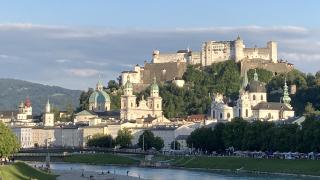
The iron spine of the Habsburg Empire still hums beneath our feet. Franz Joseph I didn’t merely draw borders; he stitched the Alps together with steel and steam. I recall standing at Salzburg Hauptbahnhof, watching snow melt into dark puddles around my boots. The air smelled of wet wool and distant woodsmoke. It struck me then that luxury isn’t speed. It’s the slow, deliberate glide past Wachau’s terraced vineyards.
Skip the haste. The ÖBB network offers a quieter path. You don’t just ride; you witness. Klimt’s golden light still catches on these mountains, untouched by exhaust. Choose a BIO HOTELS® stay in Tyrol or Styria. Their solar panels drink the alpine sun. Their heating runs on local biomass. It’s not just efficiency. It’s a promise to the land that raised us.
Traveling this way feels less like tourism and more like stewardship. Every ticket bought protects a vista. Every night slept in an eco-certified inn keeps the rivers clean. The rhythm of the wheels becomes a meditation. You aren’t passing through. You’re participating in a centuries-old conversation between people and place. Let the tracks guide you deeper. Listen to the silence between the stations.
Silent Carriages of the Modern Age
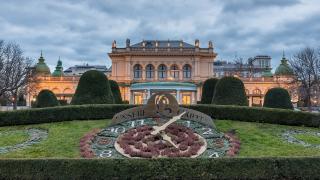
The hum of Vienna’s Ringstraße has shifted from the clatter of horseshoes to the near-silent glide of electric trams. I watched one drift past the Hofburg Palace yesterday, a ghostly vessel slipping through the imperial architecture without a whisper. This quiet efficiency is not just an aesthetic choice; it is the backbone of Austria’s sustainable infrastructure.
Consider the ÖBB rail network, where trains powered by water from the Alps connect remote villages with startling precision. You can ride from the bustle of Vienna to the stillness of the Tyrol without ever igniting a drop of fossil fuel. The air in those carriages feels cleaner, the journey smoother, and the carbon footprint virtually nonexistent.
For those who prefer the open road, platforms like ShareNow offer electric vehicles that blend into the landscape rather than dominating it. I once drove a compact EV through the Salzkammergut, the only sound being the tires on wet asphalt and the distant rush of a waterfall. It felt less like commuting and more like moving through a living painting.
In the mountains, cogwheel railways climb steep gradients with a gentle whir, revealing valleys that remain untouched by heavy traffic. These trains do not roar; they whisper, allowing you to hear the wind in the larches and the crunch of gravel underfoot. It is a reminder that progress does not require noise.
Where you rest matters as much as how you travel. Staying at a BIO HOTELS® property, such as those in the Dachstein region, ensures your stay supports local farmers and uses renewable energy. The breakfast table reflects this commitment: regional cheeses, fresh bread, and organic jams taste sharper, more honest.
Every quiet mile reinforces a simple truth: protecting Austria’s beauty is possible without sacrificing comfort. The Habsburgs built an empire on stone and steel; we can preserve it with electricity and intention. The silence is not empty. It is full of respect.
Sanctuaries of Green Hospitality
My grandmother used to say that true luxury lives in conscience. That belief holds firm in Austria’s eco-certified retreats.
Seek out the EU Ecolabel or Green Key badges. These marks verify strict energy and water protocols. BIO HOTELS® members source eighty percent of their food locally. This practice supports regional organic farms directly.
Picture a stay in the Salzkammergut region. You breathe crisp alpine air while lowering your carbon footprint. The certificates guarantee that your presence respects delicate ecosystems near historic palaces. Your spending powers sustainable practices across the country.
This method protects the natural landscape that inspired imperial grandeur. You rest deeply, knowing you nurture the environment. It is a quiet rebellion against mass tourism. One ethically charged night at a time changes everything.
Treading Lightly on Sacred Ground
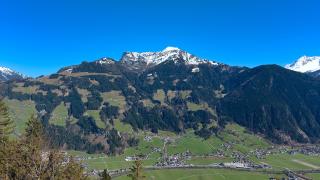
Austria’s alpine ecosystems demand reverence. When you traverse the High Tauern National Park, remember that fragile lichen takes decades to grow; one careless step can erase centuries of natural artistry. Embrace slow travel by utilizing Austria’s extensive ÖBB rail network, which connects major hubs with minimal carbon footprint.
For accommodation, seek properties displaying the Austrian Ecolabel or Green Key certification, ensuring your stay supports energy-efficient practices and regional sourcing. Hikers should strictly adhere to marked trails in biosphere reserves like Hohe Tauern, while cyclists can explore designated routes such as the Danube Cycle Path, avoiding sensitive wetlands.
Guided tours led by local experts often reveal hidden ecological nuances, enhancing appreciation while minimizing impact. By choosing certified green hotels and public transport, you preserve the pristine beauty of these landscapes for future generations. This mindful approach ensures that the grandeur of the Alps remains untouched by modern excess, honoring the delicate balance between human exploration and nature’s enduring legacy.
A Legacy of Harmony
Vienna’s cobblestones do more than echo with carriage wheels; they hold the memory of endurance. True luxury here isn't found in gilded excess, but in preservation. I recently rode the ÖBB Nightjet from Munich, drifting into sleep as the train glided silently through the dark. The carbon footprint was negligible, yet the comfort was undeniable.
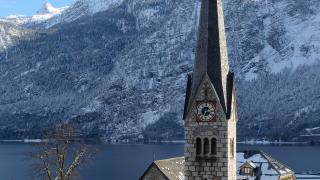
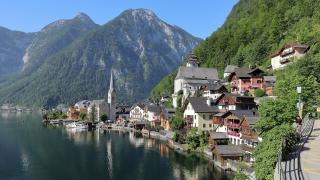
My stay in Hallstatt avoided the usual tourist traps by choosing a BIO HOTELS® property near the lake. The sheets smelled faintly of linen and local lavender, a stark, pleasant contrast to the sterile scent of chain hotels. This isn't just about saving bees; it’s about supporting the organic farms that feed the region. The breakfast table featured rye bread from a miller three towns over, not a factory in a distant state.
We often forget that we are guests in these imperial halls. Treading lightly means respecting the silence of the alpine valleys and the rhythm of local life. It requires intention. When you choose green transport and ethical stays, you aren't just checking a box. You are becoming part of the story, ensuring the music and mountains remain untouched for those who follow.