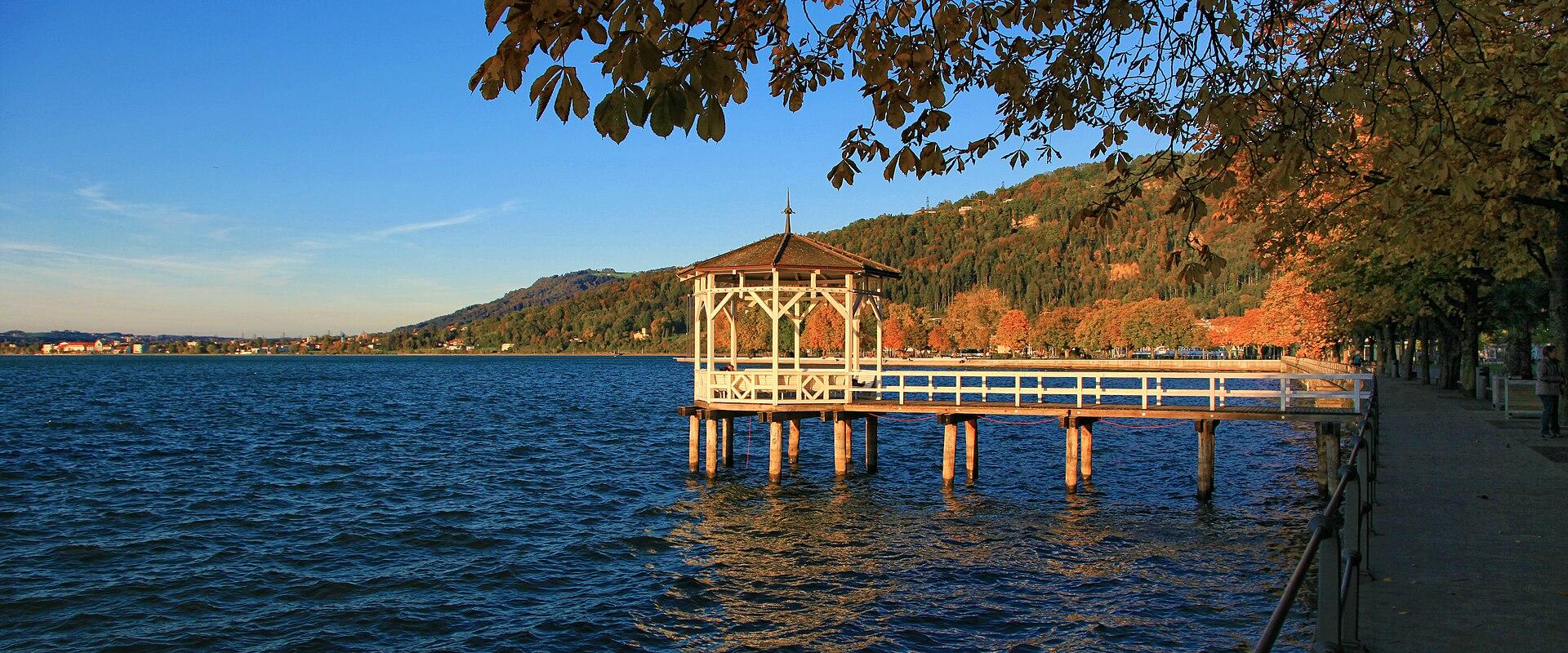
Bregenz, Austria’s westernmost city, lies at the south-eastern corner of Lake Constance, at the edge of the European continent's Alpine crossroads, where the Alps meet the water, with the Pfänder mountain, 1,064 metres high, directly above the town. Germany lies across the lake and to the north, Switzerland to the west. The Bregenzer Ach river enters the lake just to the south. This position, at the meeting point of three countries and between lake, river and mountain, has shaped the place for two thousand years.
The Romans founded Brigantium here in the first century BC on the site of an earlier Celtic settlement, and it served as a lake port and a crossing point on roads toward the Alpine passes and Italy, and Bregenz’s role as a trading place continued for centuries. Remains of the Roman town are displayed in the Vorarlberg Museum. In the Middle Ages, the Counts of Bregenz and later the Montfort and Habsburg families held the town, which became a trading place with a harbour and a medieval upper town on the hill. Bregenz suffered in the Thirty Years' War, when it was occupied and its fortifications were demolished, and again in the Second World War, but its historic core has been preserved.
The Oberstadt, the upper town, is the best place to start. Cobbled lanes lead to the Martinsturm, a wooden-roofed tower with a Baroque onion dome built in the early seventeenth century, said to be among the largest onion-domed towers in Europe, and to the Church of St. Martin and the old town gate. The Altstadt is small and can be seen in an hour. Below it, the lower town has a busy pedestrian area, a market and a lakeside park, and the harbour, the Seehafen, offers boat trips across the lake to Lindau, Konstanz and the island of Mainau.
The Bregenz Festival is the biggest cultural event. Beginning in 1946, it takes place each summer, with performances on the Seebühne, a floating stage in the lake with space for several thousand spectators. Productions have included spectacular opera sets that rise from the water, with the sunset and the lake as backdrop, and a smaller house inside the Festspielhaus stages other works. Tickets sell fast, so early booking is advisable. Outside the festival season, the stage can be seen from the promenade.
The Kunsthaus Bregenz, known as KUB, opened in 1997 and was designed by the Swiss architect Peter Zumthor. It is a cube of glass panels and concrete, whose façade glows at night, and it houses changing exhibitions of contemporary art in four floors of bright, simple space. The building is an architectural landmark, and the inside is as interesting as the art. It is a short walk from the lakeside.
Beyond the town, the Pfänder is the natural attraction. The Pfänderbahn cable car climbs to the summit in about six minutes, and from the top there are views across the lake, the Rhine delta and the Alps of Austria, Switzerland and Germany. The summit has a restaurant, a wildlife park with ibex and deer, and trails of various lengths. The Rhine delta nature reserve, the Rheindelta, a few kilometres to the west, is one of the most important bird habitats in Central Europe, with reed beds, shallow bays and hides.
The lake offers swimming from several lido areas, sailing, paddleboarding and cycling. The Lake Constance cycle route circles the entire lake and passes through town. A trip by boat to Lindau, a historic island town in Germany, is a standard excursion, and the flower island of Mainau is a longer day out.
Food is Vorarlberg and Lake Constance cooking. Lake fish such as whitefish, called Felchen, served fried or poached, appear on many menus, along with Käsespätzle, Riebel and apple strudel. Wines from the lake shore, including Pinot Noir and Müller-Thurgau, are on offer, and the cafes along the promenade are good places to watch the evening light.
The best time to visit is from late June to early September for warm weather and the Bregenz Festival. Spring and autumn offer mild temperatures and fewer crowds. In winter, the lake is cold, but ski areas of the Bregenzerwald are nearby, and the Christmas market on the lakeside is a draw. The lake rarely freezes, so skating on it is not a realistic option.
Getting there is easy. Bregenz Hauptbahnhof lies near the lake, with direct trains from Zurich in about two hours, from Munich in around two and a half hours and from Vienna in about eight hours or by overnight train. By car, the A14 Rheintal Autobahn leads from Innsbruck, and the German A96 reaches the region from Munich via Lindau. Ferries link Bregenz with other lakeside towns, and local buses cover the town and the hills.
Best time to visit
Visit from late June to early September for warm weather and the Bregenz Festival, or spring/autumn for mild sightseeing.
What to see in Bregenz
Our picks first.
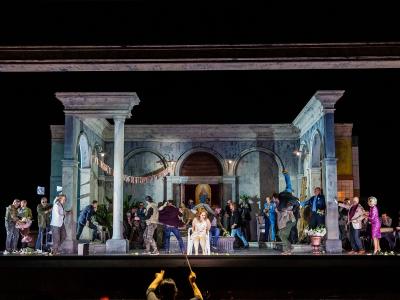
Bregenz Festival (Bregenzer Festspiele)
Opera on a floating stage in Lake Constance
Museums & Art · Urban Exploration
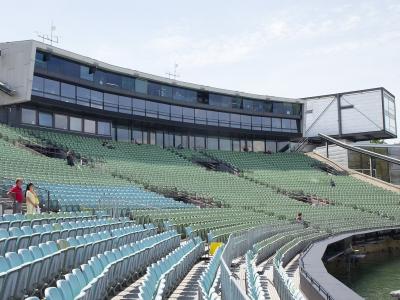
Seebühne Bregenz
Floating opera stage on Lake Constance
Alpine Lakes · Architectural Highlights
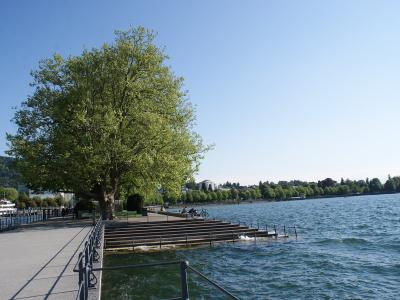
Bregenz Old Town
Historic village in Bregenz district, Vorarlberg
Architectural Highlights · City Centers
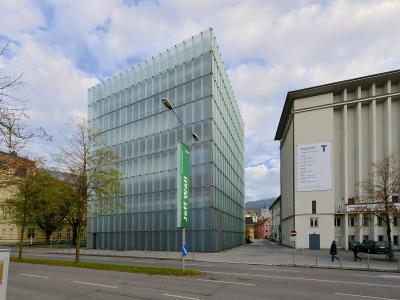
Kunsthaus Bregenz
Contemporary art museum in a glass cube
From €12 Museums & Art · Urban Exploration

Lake Constance (Bodensee) Promenade
Lakeside promenade in Bregenz, Vorarlberg
Free Natural Wonders · Walking Tours
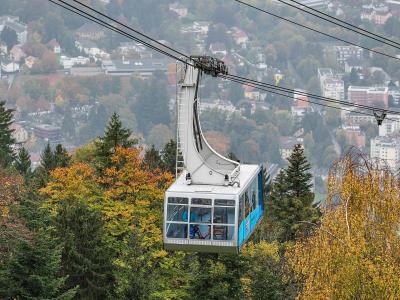
Pfänderbahn
Certified mountain railway with panoramic views
Cable Cars · Funiculars
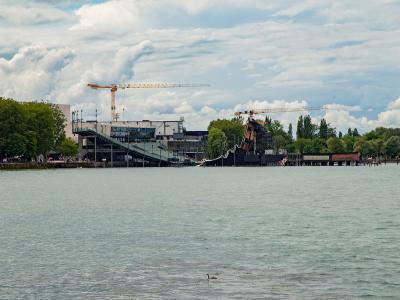
Bregenz Harbor (Seehafen)
Historic port with modern architecture and festival gateway
History & Heritage · Natural Wonders
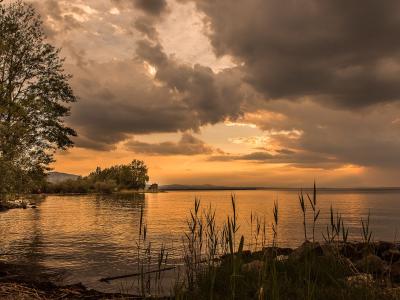
Rheindelta Nature Reserve
Vorarlberg's largest Lake Constance wetland
Free Adventure & Activities · Natural Wonders
Bregenz by interest
The same sights, grouped by what you came for.
Did you know?
Checked facts about Bregenz, each with its source.
-
Film & TV
Quantum of Solace Filmed Its Opera Scene in Bregenz
From 30 April to 9 May 2008, scenes for the James Bond film "Quantum of Solace" were shot on Bregenz's Seebühne, the festival's floating stage on Lake Constance, using the giant-eye set of Puccini's "Tosca". In the film Bond spies on the Quantum organisation during the opera; 2,000 extras filled the seats and were digitally multiplied to 7,000 on screen.
Source: Bregenzer Festspiele chronicle
Planning a visit to Bregenz
Itineraries that include Bregenz
Good to know
- Currency
- EUR
- Language
- German