Dornbirn
Vorarlberg's largest city with industry, nature, and culture
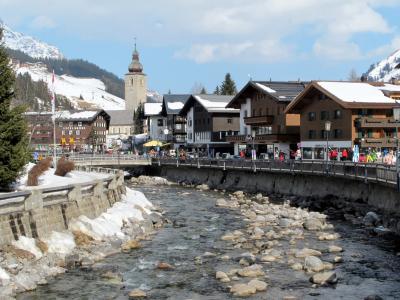
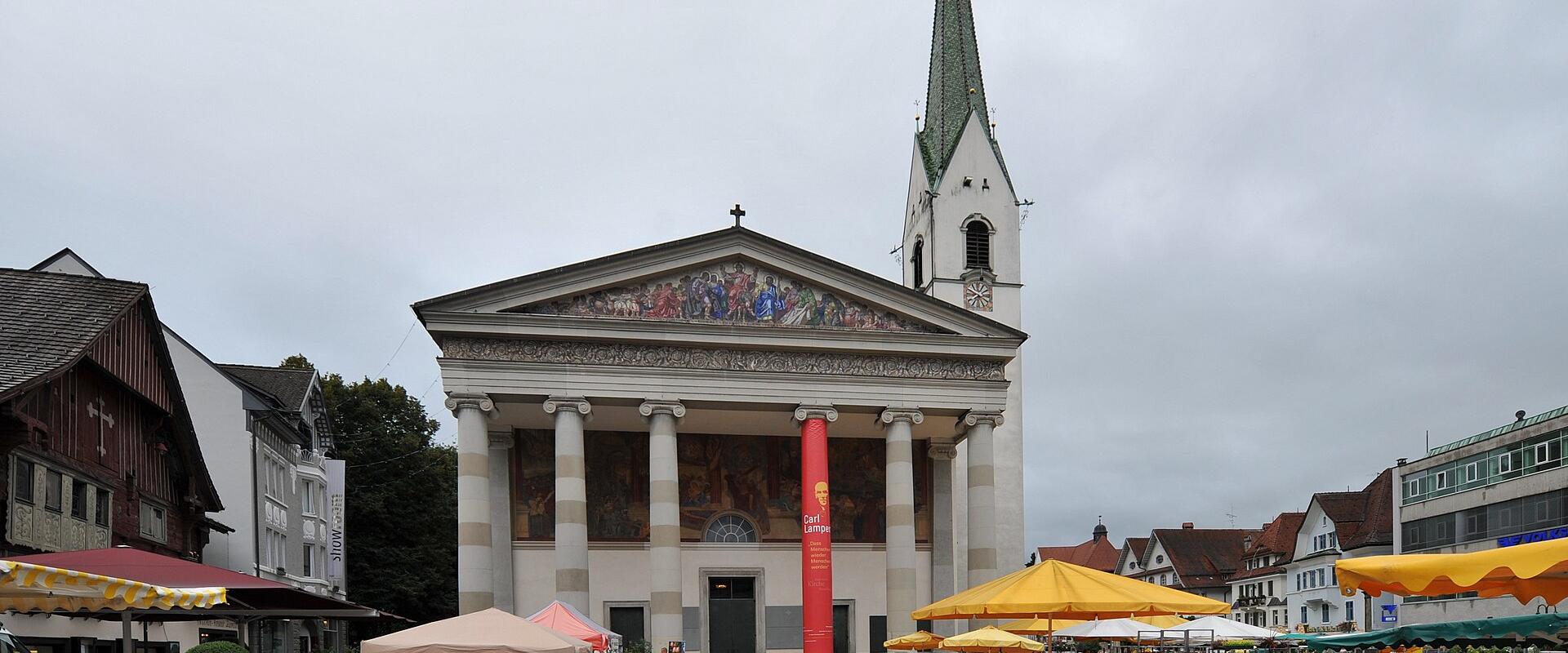
Dornbirn lies in the Rhine Valley in the far west of Austria, at the foot of the Karren and the Bregenzerwald hills, about ten kilometres from Lake Constance. The Dornbirner Ach, a mountain stream, flows through the city, and the old centre sits on its banks. The first written mention dates to 1180, and the town grew slowly as an agricultural and trading settlement until the nineteenth century, when textile mills, powered by the stream, transformed it. By the early twentieth century, Dornbirn was the industrial centre of Vorarlberg and had received city status.
The industrial legacy shows in the cityscape. Former spinning and weaving mills stand beside the stream, and some have been converted into offices, shops and cultural spaces. The Dornbirn City Museum, in the old centre, presents the history of the city with exhibits on the textile trade, local crafts and everyday life. The trade fair grounds in the north host major events, including the annual autumn fair. Dornbirn has also become a centre for modern architecture and design, with many contemporary timber buildings.
The Inatura Experience Science Center is the best-known attraction for visitors. Located in a renovated historic building in the centre, Inatura combines exhibits on nature, ecology and technology, with a focus on Vorarlberg's mountains, rivers and animals. Many displays are interactive, and the museum is popular with school groups and families. It is a good stop on a rainy day, and opening hours are published on its website.
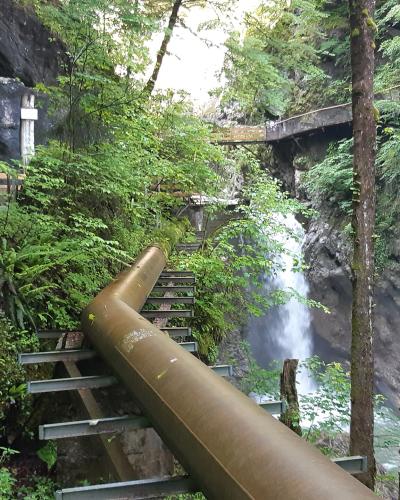
The Karren, the mountain that rises behind the city, is accessible by the Karren Cable Car, which climbs about 500 metres in a few minutes to a viewing platform and restaurant. From the top there are views across the Rhine valley to Lake Constance, the Swiss mountains and the Alps of Vorarlberg. Short walks and longer hikes begin at the upper station, and in winter small ski slopes operate nearby. The Rappenloch gorge, southeast of the centre, is among the largest gorges in the Alps, a narrow cleft with a river, wooden walkways and a long flight of steps, and the walk through it is among the best short excursions near the city. Both the Karren and the Rappenloch can be combined in a day.
Dornbirn is also a base for the wider region. The Rhine River offers cycling and walking along its dams, and canoe trips are available on certain stretches. Lake Constance is close, with Bregenz about a quarter of an hour away by train, and Lustenau, Hohenems and Feldkirch within easy reach. A car museum devoted to Rolls-Royce, often included in itineraries in the area, adds a niche attraction for motoring fans. Check where it is located before setting off.
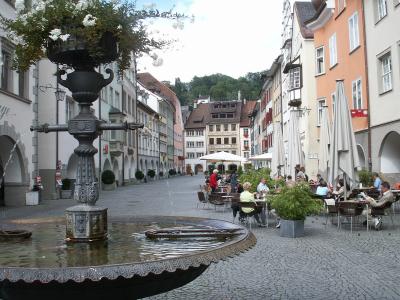
Cultural life includes concerts, theatre and Music Festival events in summer, along with markets and the Dornbirn trade fair in autumn. The city's weekly market is a good place to buy local cheese, bread and fruit, and cafes in the centre serve coffee and cakes.
Food is Vorarlberg cooking, which mixes Alpine and Alemannic traditions. Käsespätzle, cheese noodles with fried onions, are the national dish of the region, and Riebel, a cornmeal dish served with apple compote or coffee, is a local classic. The Bregenzerwald cheeses are served in many places, and wines from the Rhine Valley and Lake Constance are available.
The best time to visit is from late June to early September for hiking, cycling and swimming in nearby lakes. July is typically the warmest month, and May and September offer milder weather with fewer crowds. Winter is cold but offers skiing on the Karren and in the nearby Bregenzerwald, and the Advent market is pleasant.
Getting there is easy. Dornbirn is on the main railway line between Bregenz and Feldkirch, with direct trains from Zurich in about an hour and a half, from Munich in around three hours and from Vienna in about eight hours or with an overnight service. By car, the A14 Rheintal Autobahn passes the city, linking it with the Arlberg route to Innsbruck, and the Swiss border, with Switzerland beyond the Rhine, is a short drive. Local buses connect Dornbirn with villages in the hills and in the valley.
Best Time to Visit
Visit from late June to early September for warm weather ideal for hiking and outdoor activities.
Plan Your Visit to Dornbirn
Essential travel tips and information for your trip to Dornbirn.
Suggested Itineraries
Travel Tips
Currency
EUR • Cards widely accepted
Language
German • English in tourist areas
WiFi
Free WiFi in cafes and hotels
Explore Dornbirn by Interest
Discover attractions and experiences in Dornbirn organized by your interests and travel preferences.
All attractions in Dornbirn
Sorted by our recommendation score
Quick Facts
Book your stay
Frequently Asked Questions
More destinations in Vorarlberg
Explore other amazing places in the Vorarlberg region