3-day itinerary
Extended Upper Austria Experience
3-day general exploration of Upper Austria
- Length
- 3 days · 9 sights
- Pace
- Moderate
- Estimated cost
- €275 per person
- Based in
- Upper Austria
Day by day
-
Day 1: Linz: Culture, Art, and Panoramic Views
Explore Linz, the capital of Upper Austria, focusing on modern art, futuristic technology, and historic viewpoints.
-
09:00
Start the day at the Danube-front modern art museum, featuring contemporary works and a striking architectural design.
About 2 hours
-
10:30
Travel to Ars Electronica Centre
Short walk or bus ride to the Ars Electronica Centre in the Brucknerhaus district.
About 60 min
-
11:30
Explore Linz's museum of the future with interactive media art and technology exhibits.
About 2.5 hours
-
14:00
Take the historic funicular railway to Linz's highest peak for panoramic views of the city and Danube.
About 2 hours
-
16:00
Linz City Center Stroll
Walk through the pedestrian zone, visiting the Old Town and Hauptplatz.
About 60 min
- Meals:
- Lunch at Lentos Museum Café or nearby bistro; Dinner at Linz Old Town Restaurant
- Where to stay:
- Stay in Linz city center for easy access to museums and transport.
- Getting around:
- Walking and local public transport (bus/tram) are sufficient.
-
09:00
-
Day 2: Salzkammergut Lakes: History and Alpine Beauty
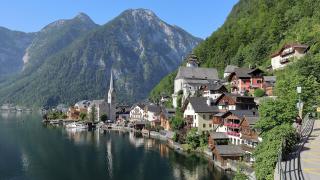
Travel south to the Salzkammergut region, visiting Hallstatt and enjoying the lakeside scenery.
-
08:00
Drive to Hallstatt
Drive from Linz to Hallstatt (approx. 1.5 hours). Park at the designated lot outside the village.
About 2 hours
-
10:00
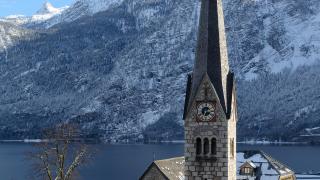
Walk the lakeside promenade, visit the UNESCO-listed village, and take a short boat tour on the lake.
About 3 hours
-
13:00
Lunch in Hallstatt
Traditional Austrian lunch at a lakeside restaurant.
About 60 min
-
14:30
Visit the lakeside lido in Bad Goisern, just a short drive from Hallstatt, for relaxation and lake views.
About 2 hours
-
16:30
Visit the castle museum near Bad Ischl to learn about aristocratic rule in the region.
About 1.5 hours
- Meals:
- Lunch at Hallstatt Village Center; Dinner at Bad Ischl or Bad Goisern
- Where to stay:
- Stay in Bad Ischl or Bad Goisern for a central location in the Salzkammergut.
- Getting around:
- Car rental is essential for this day to navigate between lakes and villages.
-
08:00
-
Day 3: Nature, Ice, and Traditional Flavors
Experience Austria's largest primeval forest, the giant ice cave, and traditional local cuisine.
-
08:30
Drive to Kalkalpen National Park
Drive north from Salzkammergut to the entrance of Kalkalpen National Park.
About 1.5 hours
-
10:00
Hike through Austria's largest continuous primeval forest wilderness on marked trails.
About 3 hours
-
13:00
Traditional Lunch
Try Mühlviertler Flaxseed Oil Potatoes at a local Gasthof.
About 60 min
-
14:30
Visit Europe's largest ice cave with its 9m ice mountain. Note: Requires shuttle bus from the mountain station.
About 3 hours
-
17:30
Walk through Austria's second-longest gorge in Spital am Pyhrn, a scenic natural wonder.
About 60 min
- Meals:
- Lunch at Near Kalkalpen or Enns; Dinner at Enns or Linz outskirts
- Where to stay:
- Return to Linz or stay near the Danube for the final night.
- Getting around:
- Car rental is highly recommended for accessing the national park and ice cave.
-
08:30