Day 1: Linz Culture, History & Alpine Nature
A balanced day exploring Linz's modern art and history, followed by a scenic drive to the Salzkammergut region for lake views and a historic castle.
-
08:30
Lentos Kunstmuseum
Start the day with modern art at this striking Danube-front museum. Explore contemporary exhibitions and enjoy the architectural design.
-
10:00
Ars Electronica Centre
Walk along the Danube promenade to the Ars Electronica Centre. Experience interactive media art and the 'Futurelab' exhibits.
-
11:00
Pöstlingberg Hill & Basilica
Take the historic funicular railway up to Pöstlingberg. Visit the Basilica and enjoy panoramic views of Linz and the Danube.
-
13:00
Drive to Salzkammergut
Drive from Linz to the Hallstatt region (approx. 1.5 - 2 hours). This scenic drive transitions from urban to alpine landscapes.
-
15:00
Burgruine Prandegg
Visit this castle museum near Hallstatt. It offers insights into aristocratic rule in Upper Austria and provides excellent views of the surrounding lakes.
-
16:30
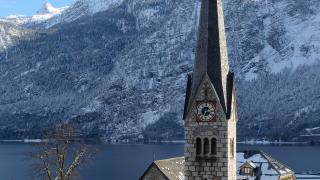
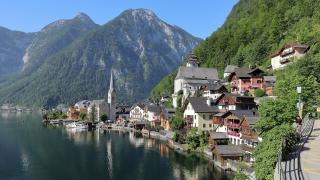
Hallstätter See Lakefront
Relax by the UNESCO-listed Hallstätter See. Take a short boat tour or simply walk the lakeside path to admire the iconic village views.
Meals:
Breakfast at Linz City Center Cafe , Lunch at Linz Danube Promenade , Dinner at Hallstatt Village Restaurant
Where to stay: Stay overnight in Hallstatt or Bad Ischl to avoid backtracking. Hallstatt offers scenic lake views, while Bad Ischl provides imperial history.
Getting around: A rental car is highly recommended for this itinerary to efficiently travel between Linz and the Salzkammergut region. Public transport is possible but involves multiple train/bus transfers and longer travel times.
Practical Information
Upper Austria offers a distinct cultural experience separate from Vienna or Salzburg, making a one-day visit feasible if focused on Linz and its immediate surroundings. The best time to visit is from May to October, when temperatures are mild and suitable for walking tours. Summer months can be warm, while winter brings cold weather and potential snow, which may limit outdoor activities. Spring and autumn provide pleasant conditions for exploring the region’s castles and museums without the peak-season crowds.
Getting to Upper Austria is straightforward via train or car. Linz, the capital, is well-connected by rail from Vienna, with journeys taking approximately two hours. Once in Linz, the city is compact and highly walkable, or you can utilize its efficient tram and bus network. For day trips to nearby attractions like St. Florian or the Danube Valley, renting a car offers greater flexibility, though public buses and trains also serve these areas reliably. Parking in Linz is generally available but can be costly during peak hours.
Accommodation should be centered in Linz for convenience. Staying in the city center allows easy access to major attractions like the Ars Electronica Center and the Lentos Art Museum. For a more scenic experience, consider lodging in the Danube Valley, though this requires careful planning for transportation back to Linz if you wish to return to the city. Budget considerations vary; Linz is generally more affordable than Salzburg or Vienna. Costs typically include accommodation, meals, and local transport, but entry fees for museums and castles are usually extra. Prioritize free attractions like the city’s public art installations and riverfront walks to manage expenses.
Pack comfortable walking shoes, as exploring Linz’s historic center and surrounding hills involves significant walking. Bring layers, as weather can change rapidly, especially near the Danube. A reusable water bottle is recommended, as tap water is safe and widely available. Important tips include checking opening hours for museums and castles in advance, as some may be closed on Mondays. If visiting the Mauthausen Memorial, book tickets online ahead of time, as access is restricted and guided tours are often required. Respect local customs by greeting shopkeepers with a "Guten Tag" and being mindful of quiet hours in residential areas. Finally, carry some cash, as smaller establishments may not accept cards, though most tourist areas are card-friendly.