- Where
- Bernstein, Burgenland
- Directions
- Directions
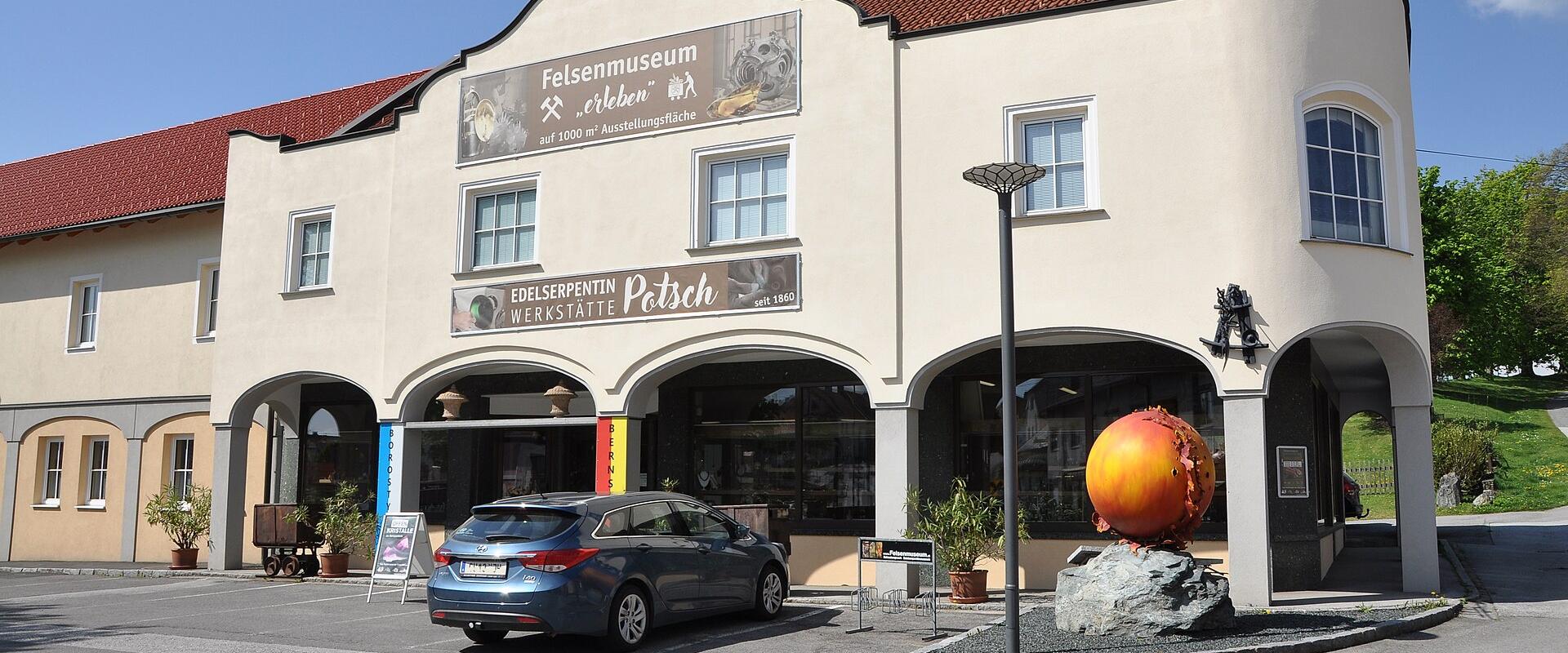
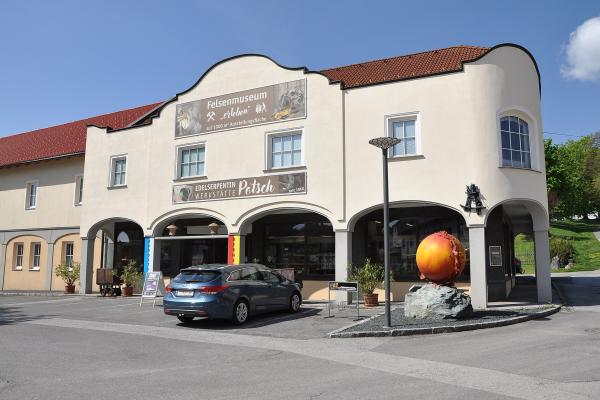
The Bernstein Museum, officially the Felsenmuseum Bernstein (Rock Museum), is in the small Burgenland town of Bernstein and is housed in a former mine. It combines a collection of minerals, a display of the town's best-known local stone and an exhibition on amber, so it works as a small museum of earth science and craftsmanship. The museum covers more than a thousand square metres on several levels, and the underground setting, with its cool air and rock walls, is part of the experience, particularly on a hot summer day.
Bernstein is known as a centre of serpentine, a green stone that is found in the hills of the region and has been used for generations to make decorative objects, jewellery and sculptures. Locally it is called Edelserpentin, precious serpentine, and the stone has a rich green colour with veins and patterns that make each piece different. The museum has a section on the story of this stone, with objects made in local workshops. Among them is a mosaic vase that won a gold medal at the 1958 World's Fair in Brussels, an example of the craft's high standards. The Mine and Minerals exhibition shows rare minerals and gemstones from Austrian mountains and explains how mining was carried out in the area.
The museum was founded by the artist Otto Potsch, who is honoured with a dedicated area of the museum showing his sculptures, many of them in serpentine and other stones. His work gave the museum its artistic character, and it is worth paying attention to the way he used the natural colours and structure of the stone. Another section is devoted to amber, called fossil gold, which explains how the resin of ancient trees fossilised over millions of years and how it was traded along old trade routes such as the Amber Road that linked the Baltic and the Mediterranean. The name of the town itself means amber, and the exhibition includes ancient jewellery and objects. A fifth section covers crystals, with displays of their forms and colours.
The museum is suitable for families, and children usually enjoy the underground atmosphere and the glittering stones. It works well in bad weather, and in combination with a visit to Schloss Bernstein, the watchtower and the market square, it makes a pleasant half-day in the town. Opening times vary, particularly on holidays, so check the current hours before travelling. A visit takes about an hour, a little more if you take the time to look at the details.
Categories
More photos coming soon
Nearby Attractions
Other places to visit in Bernstein
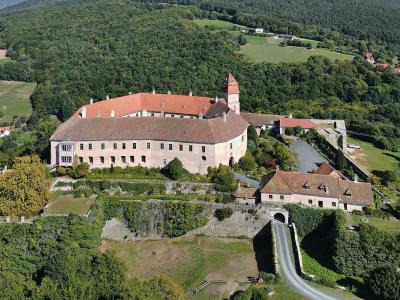
Schloss Bernstein (Bernstein Castle)
12th-century castle, family-run hotel, and guided tours
From €22 Historic Palaces · Local History
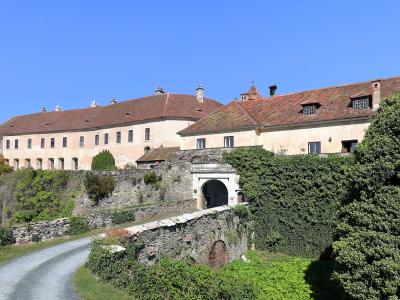
Regional History And Art Museum (located In Bernstein Castle)
12th-century castle with 800 years of history
Local History · Medieval Castles
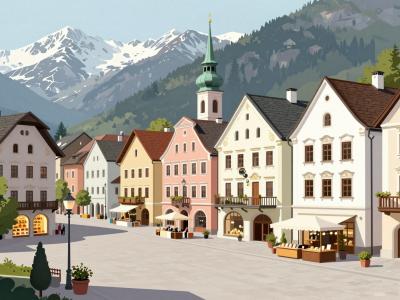
Bernstein Town Square (Marktplatz)
Market square in the Burgenland region
Local History · Mountain Hiking
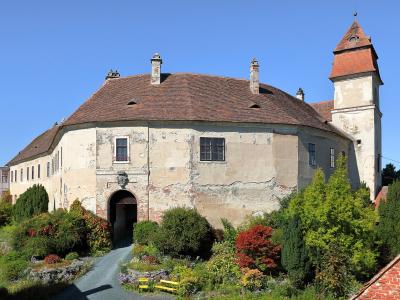
Bergfried (Watchtower)
12th-century castle with oldest garden in Burgenland
Fortifications · Local History
Questions people ask
Quick Facts
Best Time to Visit
Austria enjoys a Mediterranean climate with warm summers and mild winters, making it ideal for visiting year-round.