Bernstein
Small town in Burgenland near the Hungarian border
Bernstein sits on the western edge of the Burgenland hill country, where the land rises from the Pannonian plain toward the Styrian border. The town is small, and most visitors come for the castle, the stone museum and the quiet landscape. It makes a good short stop on a tour of southern Burgenland, which is far less visited than the Neusiedler See in the north, and offers a gentler way of seeing the region.
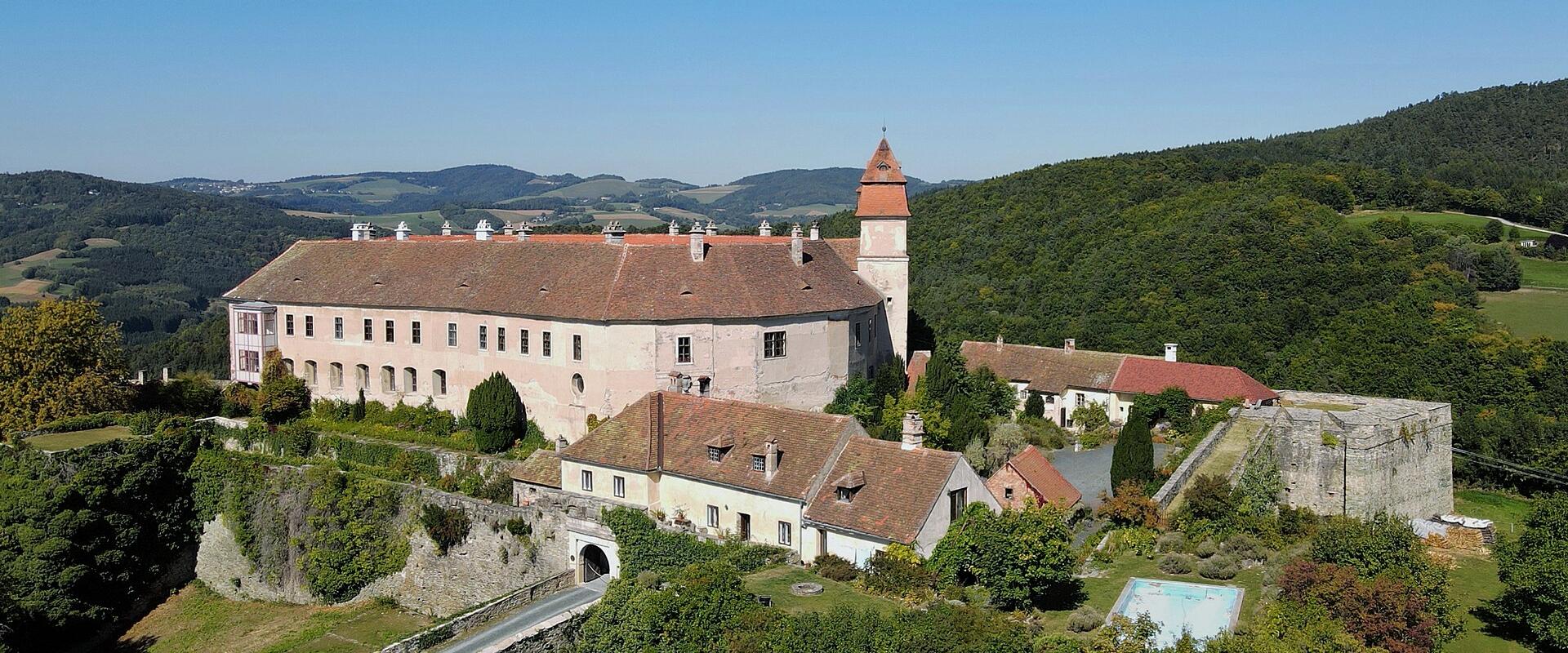
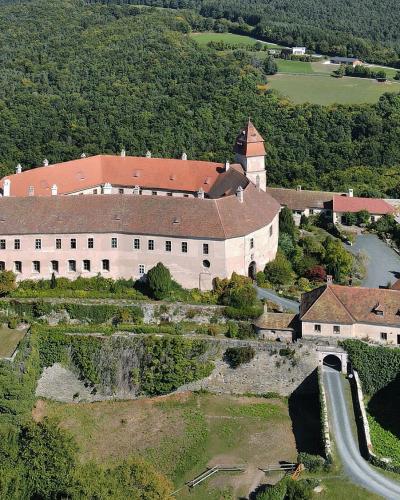
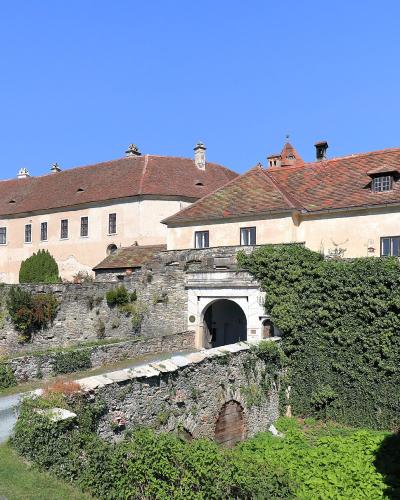
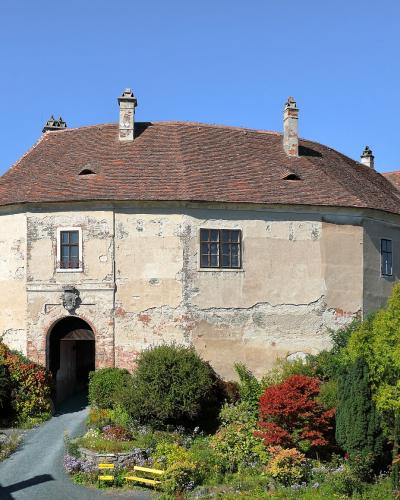
The castle, Schloss Bernstein, is the town's defining building. Its walls rise above the settlement, and the oldest stonework dates back to the Middle Ages. Over the centuries it was extended and modified by noble families, and today it houses a museum of regional history and art, along with accommodation and event space. Inside, the rooms contain furniture, paintings and weapons that give a sense of how landed families lived in the region. The Bergfried, the keep or watchtower, is the oldest part and a reminder of the castle's defensive past. Opening arrangements vary, so check ahead before visiting.
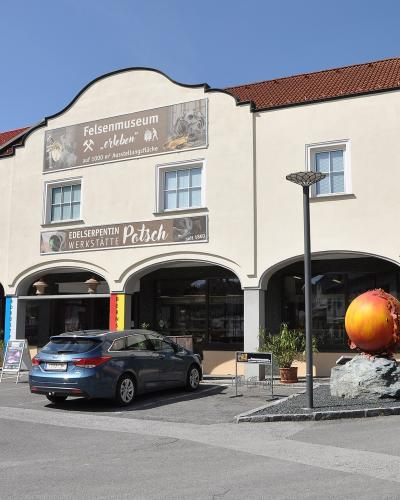
The second distinctive feature is stone. Bernstein is known for Edelserpentin, a green serpentine variety used for carving and jewellery, and the Felsenmuseum, a museum set in a former mine, presents how the stone was extracted and worked. The underground tunnels, geological displays and craft pieces make it a good stop for families and anyone curious about the geology of the Alpine fringe. Local shops sell polished stone objects.
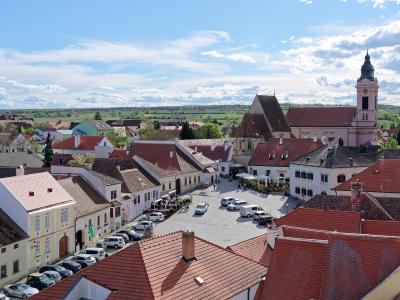
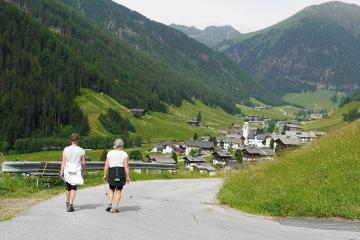
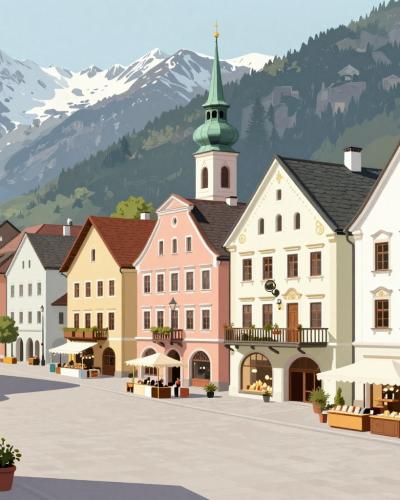
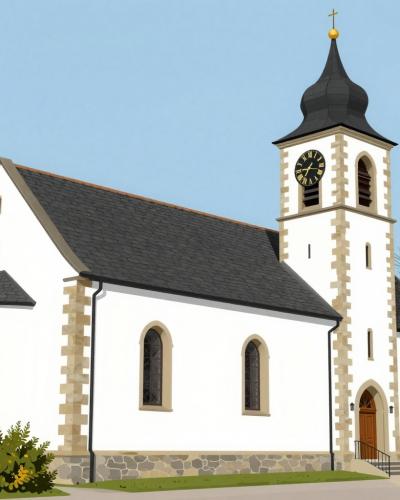
The centre of town is a small Marktplatz lined with modest houses and the parish church of St. Michael. It is a quiet space, and the pace of life is unhurried. Short walking routes lead from the town into the surrounding hills and woodland, through meadows and past orchards, offering views over the Burgenland landscape toward Hungary. The Rosalia Mountains, farther north, offer more extensive hiking, and the area is also used for cycling.
Wine is part of the regional culture, though Bernstein itself is not a major wine town. Blaufränkisch, the dominant red grape of Burgenland, is grown in Mittelburgenland and parts of the south, and many inns in the area serve it by the glass. The traditional cellar lanes, the Kellergassen, of the wine regions are a typical feature of the wider landscape. Burgenland cuisine is a mix of Austrian and Hungarian influences, with dishes such as goulash, roast goose around St. Martin's Day in November, fresh fish from lakes and ponds, and sweet pastries.
For history, the border with Hungary has shaped the area for centuries. Burgenland became part of Austria only in the 1920s after the First World War, and before that it was part of the Hungarian crown lands. The result is a mixed cultural heritage, visible in place names, family names and the presence of Croatian and Hungarian minority communities in some villages. Small museums and churches in the neighbouring communities help tell this story.
The best time to visit is from late spring to early autumn. May and June bring green hills and mild weather; September and October offer harvest festivals, new wine and autumn colour. Winters are quiet, and some attractions close or reduce hours. A car is the easiest way to reach Bernstein and the surrounding towns, as public transport in the area is limited. The drive from Vienna takes about an hour and a half, and from Graz about an hour and a half as well. Combine Bernstein with Güssing, Oberwart or the thermal towns of the Styrian border for a relaxed weekend in an overlooked part of Austria.
Did you know?
Interesting, verified facts about Bernstein
Bernstein Keeps a Castle Story
HistoryThe heart of the community is the historic Bernstein Castle, a 13th-century fortified structure that now serves as a cultural hub.
Source: Bernstein CastlePlan Your Visit to Bernstein
Essential travel tips and information for your trip to Bernstein.
Suggested Itineraries
One Day in Bernstein
1 dayPerfect for a quick visit. See the main highlights and get a taste of local culture.
Extended Bernstein Experience
2-3 daysComprehensive exploration including nearby attractions and cultural experiences.
Travel Tips
Currency
EUR • Cards widely accepted
Language
German • English in tourist areas
WiFi
Free WiFi in cafes and hotels
Explore Bernstein by Interest
Discover attractions and experiences in Bernstein organized by your interests and travel preferences.

All attractions in Bernstein
Sorted by our recommendation score
Quick Facts
Book your stay
Frequently Asked Questions
More destinations in Burgenland
Explore other amazing places in the Burgenland region