- Where
- Vienna, Vienna
- Directions
- Directions
The Prater is a large public park and amusement area in Vienna's second district, Leopoldstadt, covering around six square kilometres between the Danube and the Danube Canal. For centuries it was an imperial hunting ground of the Habsburgs, and in 1766 Emperor Joseph II opened it to the public. Almost at once, inns, coffee houses and entertainers moved in, and the park became the favourite playground of the Viennese. The World Exhibition of 1873 was held here, and its huge Rotunda, a landmark of its day, stood until it burned down in 1937.
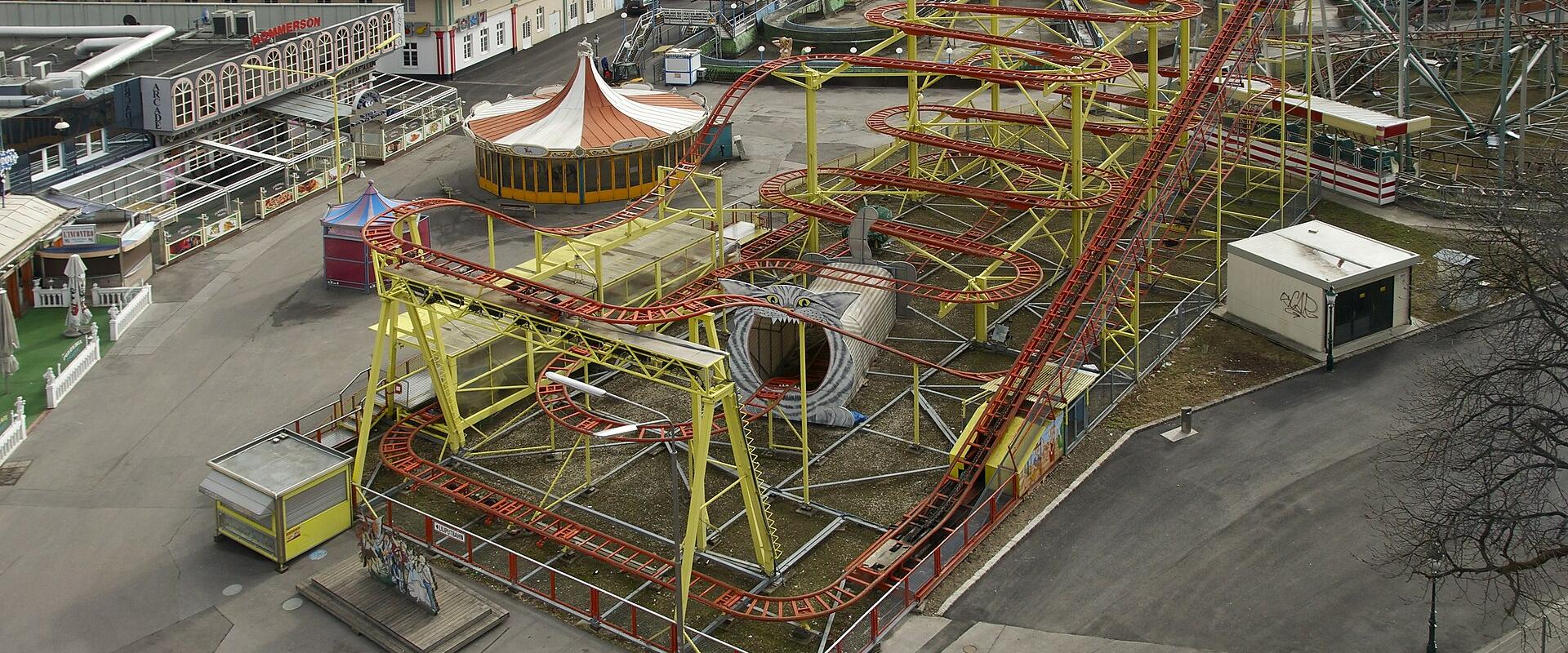
The Prater has two quite distinct parts. The first is the Wurstelprater, the amusement park at the entrance, whose name comes from the figure of Hanswurst, the comic puppet of Viennese street theatre. It is a traditional fairground with roller coasters, carousels, shooting galleries, ghost trains and restaurants, and it can be entered without payment, with each ride charged separately. Its icon is the Riesenrad, the giant Ferris wheel, which opened in 1897 and became world famous through the 1949 film The Third Man. Its slowly turning wooden gondolas offer wide views of the city and the Danube. Nearby attractions include Madame Tussauds Vienna, the Kingdom of Railways model railway exhibition, and a restaurant with its own rollercoaster, and most of the major ones remain open throughout the year.
Beyond the fairground lies the quieter, green Prater, a mix of meadows, woodland and river-plain forest that is the largest green space in central Vienna. Its main axis is the Hauptallee, a straight chestnut avenue about four and a half kilometres long, which is popular with joggers, cyclists and walkers, and which hosts the Vienna Marathon each spring. At its far end stands the Lusthaus, a former hunting pavilion that is now a cafe. A miniature railway, the Liliputbahn, runs along part of the avenue, and the stadium, named after the footballer Ernst Happel, stands at the edge of the park.
The grounds themselves are open at all times, and most rides operate from spring to autumn, with reduced activity in winter. Families will find plenty to do in the fairground, while those who want to relax can bring a picnic to the meadows or cycle through the forest paths. In the evening, the lights of the rides make the Wurstelprater especially atmospheric.
The Prater is easy to reach by the U1 or U2 underground lines, and it makes a pleasant contrast with the palaces and museums of the old town, nicely combined with a visit to the Belvedere or the Naschmarkt on the same day.
Categories
More photos coming soon
Nearby Attractions
Other places to visit in Vienna
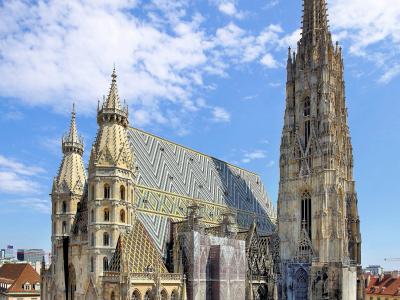
St. Stephen's Cathedral (Stephansdom)
Gothic cathedral with iconic tiled roof
Architectural Highlights · Local History
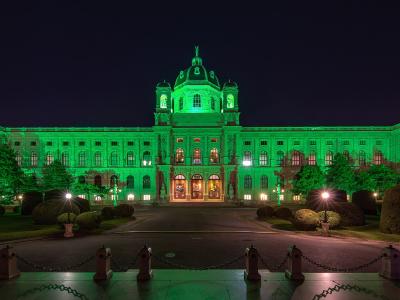
Kunsthistorisches Museum
Habsburg art collections spanning five millennia
From €22 History & Heritage · Museums & Art
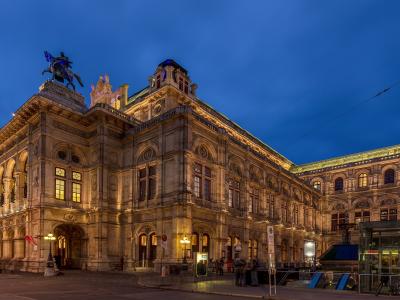
Vienna State Opera House
1869 Neo-Renaissance opera house
Cultural Venues · Historic Palaces
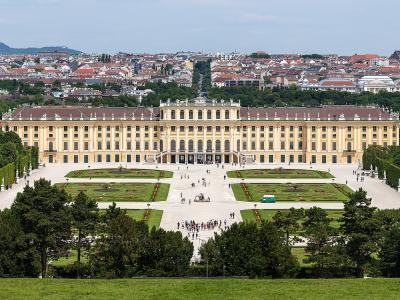
Schönbrunn Palace
Former imperial summer residence with extensive gardens
Architectural Highlights · Historic Palaces
Questions people ask
Quick Facts
Best Time to Visit
Austria enjoys a Mediterranean climate with warm summers and mild winters, making it ideal for visiting year-round.