- Where
- Vienna, Vienna
- Directions
- Directions
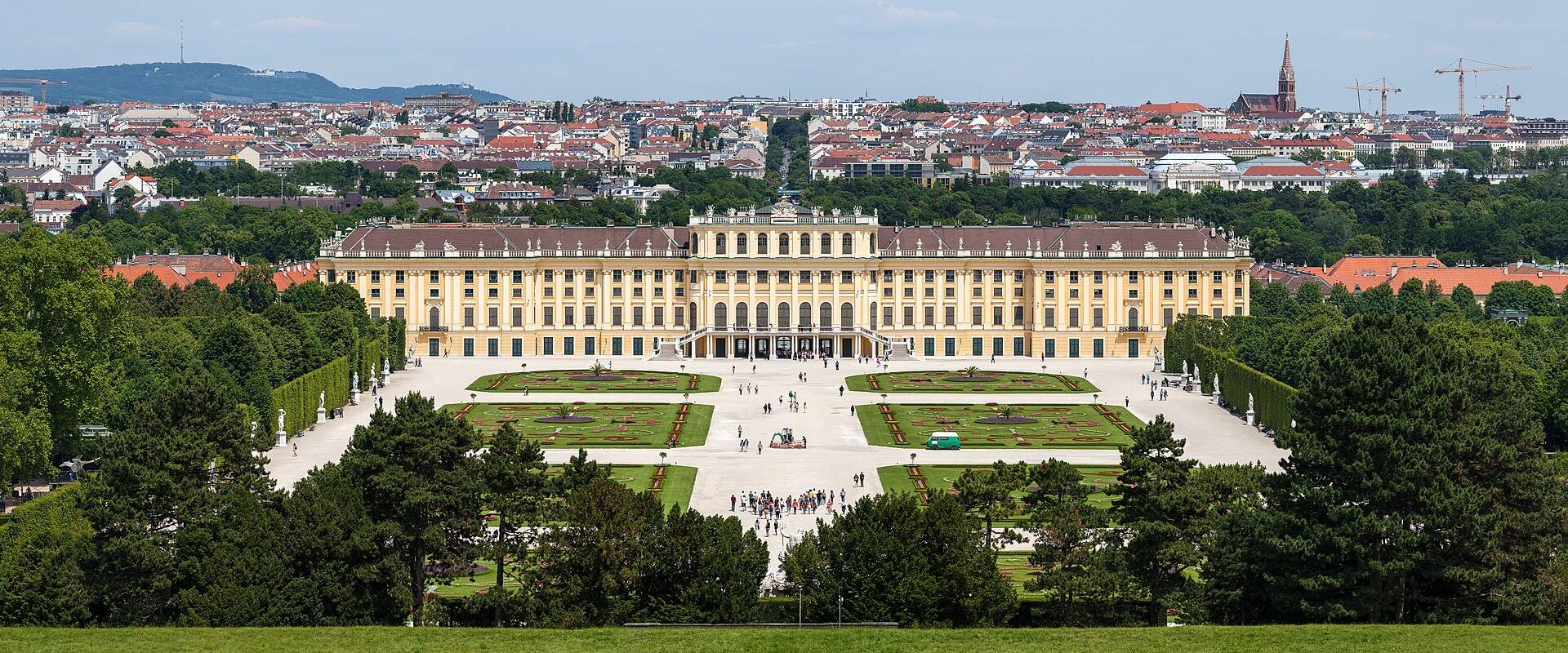
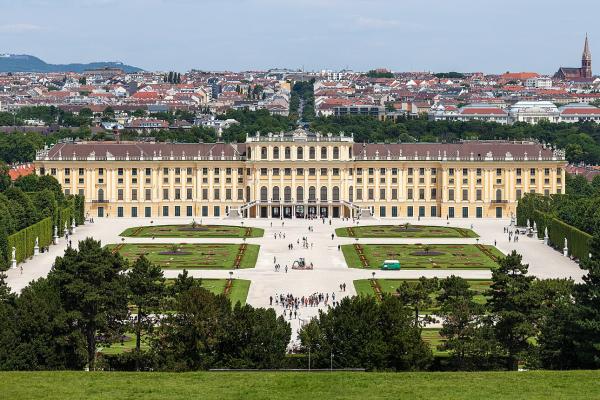
Schönbrunn Palace is the former summer residence of the Habsburg rulers and one of the most visited sights in Vienna. It lies on the western edge of the city, and together with its gardens it is a UNESCO World Heritage site. The estate takes its name from a spring, the schöner Brunnen, or beautiful fountain, that supplied the hunting lodge on the site. The present palace grew from plans by the architect Johann Bernhard Fischer von Erlach in the late seventeenth century and was finished in its current form in the mid eighteenth century, under Empress Maria Theresa, whose preference gave the facade its famous yellow colour.
Inside, the state rooms on the tour show how the court lived and ruled. There are around forty rooms open to the public, from the grand Great Gallery, used for balls and receptions, to the Mirror Room, where the six-year-old Mozart is said to have played for Maria Theresa, and the Millions Room, with its rare wood and Indian miniatures. The apartments of Emperor Franz Joseph, who was born at Schönbrunn and died there in 1916, are modest by comparison, and the rooms of Empress Elisabeth, known as Sisi, add a more personal story about the imperial family.
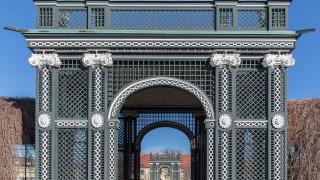
The park is almost as important as the palace. Formal French style gardens stretch behind the building, with clipped hedges, statues and the Neptune Fountain, and a steep path rises to the Gloriette, a colonnaded structure on the hilltop that offers a fine view back over the palace and city. The Privy Garden has been restored, and the Orangery Garden, the Maze and Labyrinth and the Children's Museum offer extra things to see for families. The Palm House, a large iron and glass greenhouse, and the Schönbrunn Zoo, the oldest zoo in the world, are also part of the grounds.
The park is free to enter and used by Viennese for walks and jogging, while tickets are required for the palace interior and special attractions. Ticket options vary, so it is sensible to book ahead through the official channels and avoid unofficial resellers.
Allow at least half a day for the palace and its gardens. Arriving early or late in the day helps avoid crowds, and the metro line U4 stops at Schönbrunn, which makes access easy from the centre. The palace suits history lovers, families, garden enthusiasts and anyone curious about the imperial past.
More photos coming soon
Nearby Attractions
Other places to visit in Vienna
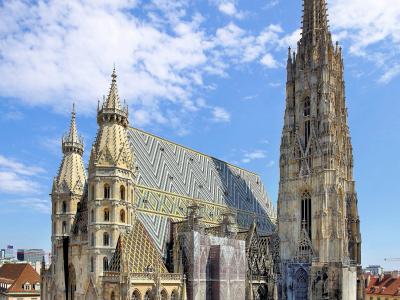
St. Stephen's Cathedral (Stephansdom)
Gothic cathedral with iconic tiled roof
Architectural Highlights · Local History
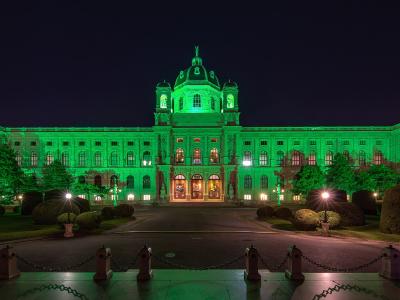
Kunsthistorisches Museum
Habsburg art collections spanning five millennia
From €22 History & Heritage · Museums & Art
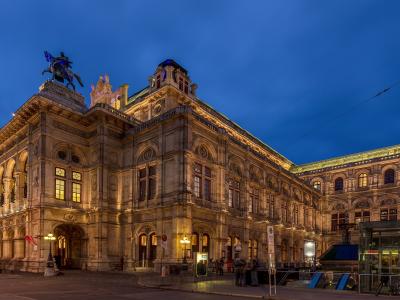
Vienna State Opera House
1869 Neo-Renaissance opera house
Cultural Venues · Historic Palaces
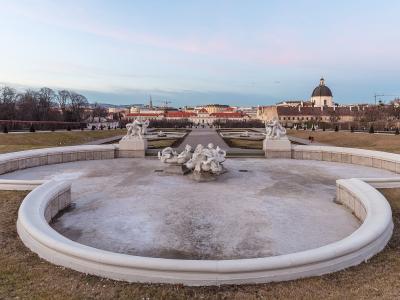
Belvedere Palace
Baroque palaces housing Klimt's The Kiss
From €17 Architectural Highlights · Historic Palaces
Questions people ask
Quick Facts
Best Time to Visit
Austria enjoys a Mediterranean climate with warm summers and mild winters, making it ideal for visiting year-round.