- Where
- Vienna, Vienna
- Directions
- Directions
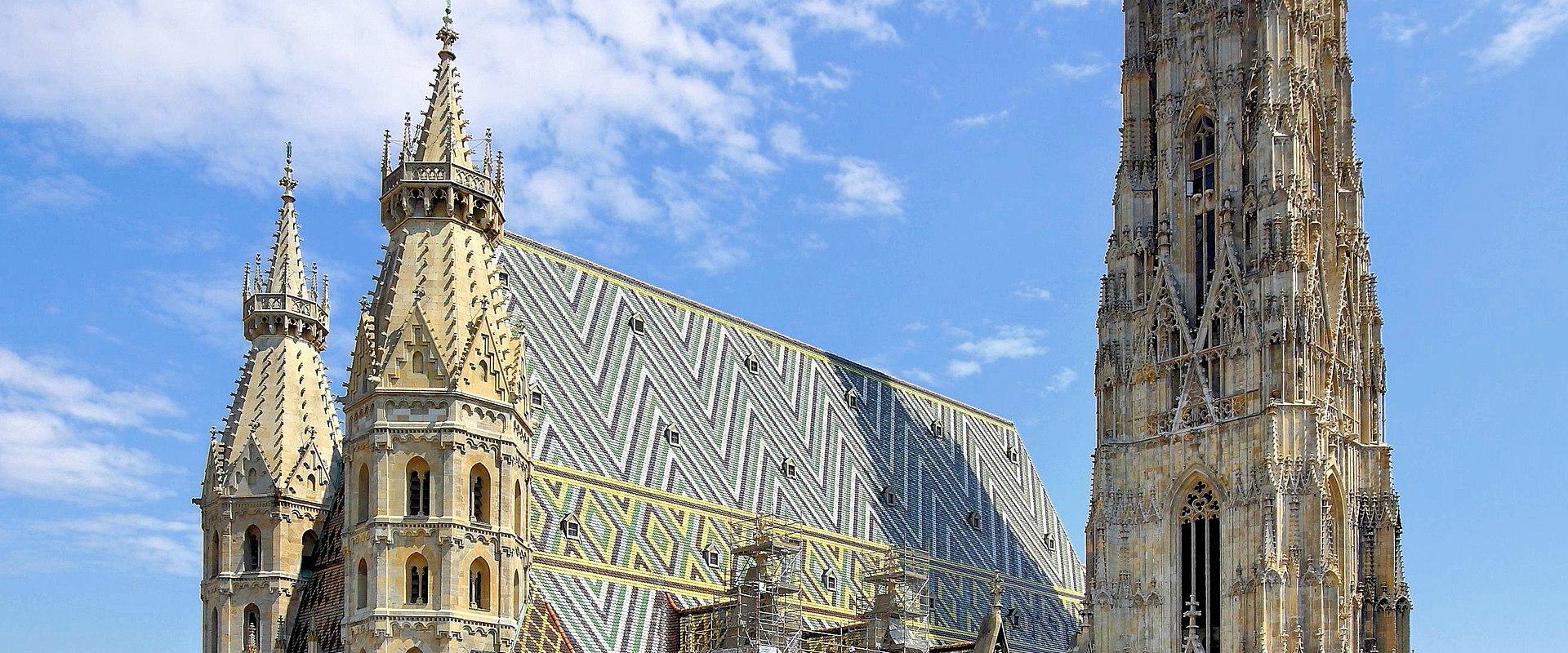
St. Stephen's Cathedral, known in German as the Stephansdom and to Viennese as the Steffl, rises from Stephansplatz in the middle of the old city and has long been the city's most recognisable building. The present church grew out of a Romanesque predecessor consecrated in the twelfth century, and the western facade still carries that earlier work, including the Giant's Gate and the pair of squat Pagan Towers. The soaring Gothic nave, choir and towers were added in the following centuries, when Vienna's rulers wanted a cathedral to match their ambitions.
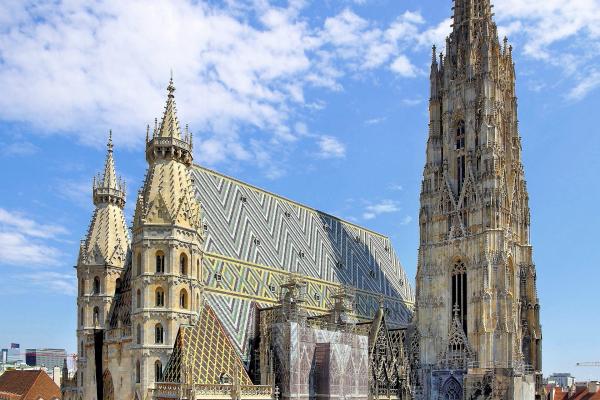
The tall South Tower, which gives the building its nickname, dominates the skyline. The North Tower was never completed to the same height and wears a Renaissance cap instead, and it holds the Pummerin, a large bell recast after the original was destroyed in 1945. Climbing the South Tower is a narrow spiral of well over three hundred steps, rewarded with a view across the rooftops of the old town and out to the Danube plain. The famous roof is the other signature feature: hundreds of thousands of glazed tiles laid in a zigzag pattern, with the double-headed eagle picked out on the south side and the coats of arms of Vienna and Austria on the north.
The cathedral suffered badly in April 1945, when fires spreading from nearby buildings brought the roof down. Rebuilding took years and was paid for partly by donations from across Austria, which is one reason the church carries so much emotional weight for Austrians. Inside, look for the stone pulpit by Anton Pilgram, whose self-portrait peers out from a carved window beneath the stairs, and for the many tombs and altars that line the aisles. Below ground, the catacombs can be visited on a guided tour.
Stephansdom also has a place in music history. Wolfgang Amadeus Mozart married Constanze Weber here in 1782, and the funeral blessing for Mozart was held at the cathedral in 1791. It is still an active parish and archdiocesan church, so services take priority over sightseeing, and some areas close to visitors during Mass. Dress modestly and keep voices low in the nave.
A visit fits naturally into a walk through the old town. Stephansplatz itself, the pedestrian streets running off it and the nearby Vienna State Opera House are all within a short stroll, so the cathedral works well as the first or last stop of a day on foot. Allow about an hour for the interior and extra time if you want the tower or the catacombs.
Categories
More photos coming soon
Nearby Attractions
Other places to visit in Vienna
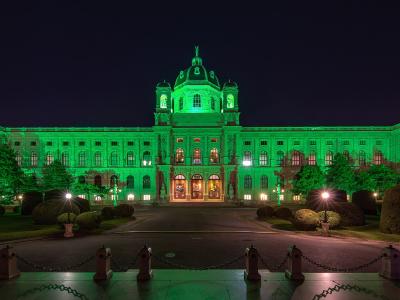
Kunsthistorisches Museum
Habsburg art collections spanning five millennia
From €22 History & Heritage · Museums & Art
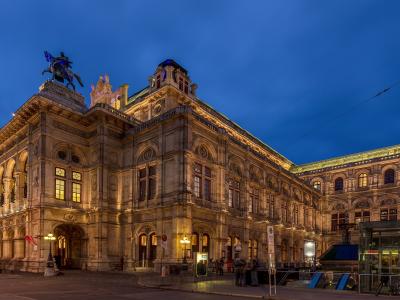
Vienna State Opera House
1869 Neo-Renaissance opera house
Cultural Venues · Historic Palaces
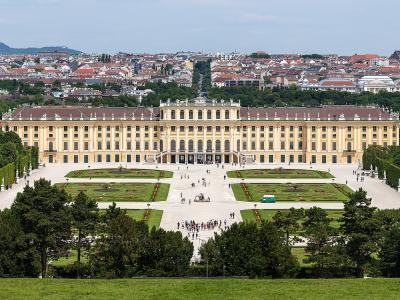
Schönbrunn Palace
Former imperial summer residence with extensive gardens
Architectural Highlights · Historic Palaces
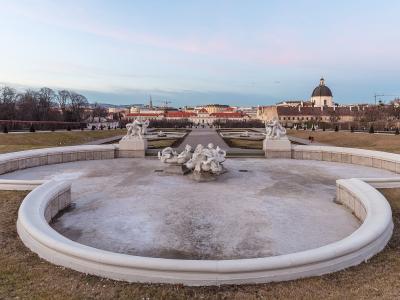
Belvedere Palace
Baroque palaces housing Klimt's The Kiss
From €17 Architectural Highlights · Historic Palaces
Questions people ask
Quick Facts
Best Time to Visit
Austria enjoys a Mediterranean climate with warm summers and mild winters, making it ideal for visiting year-round.