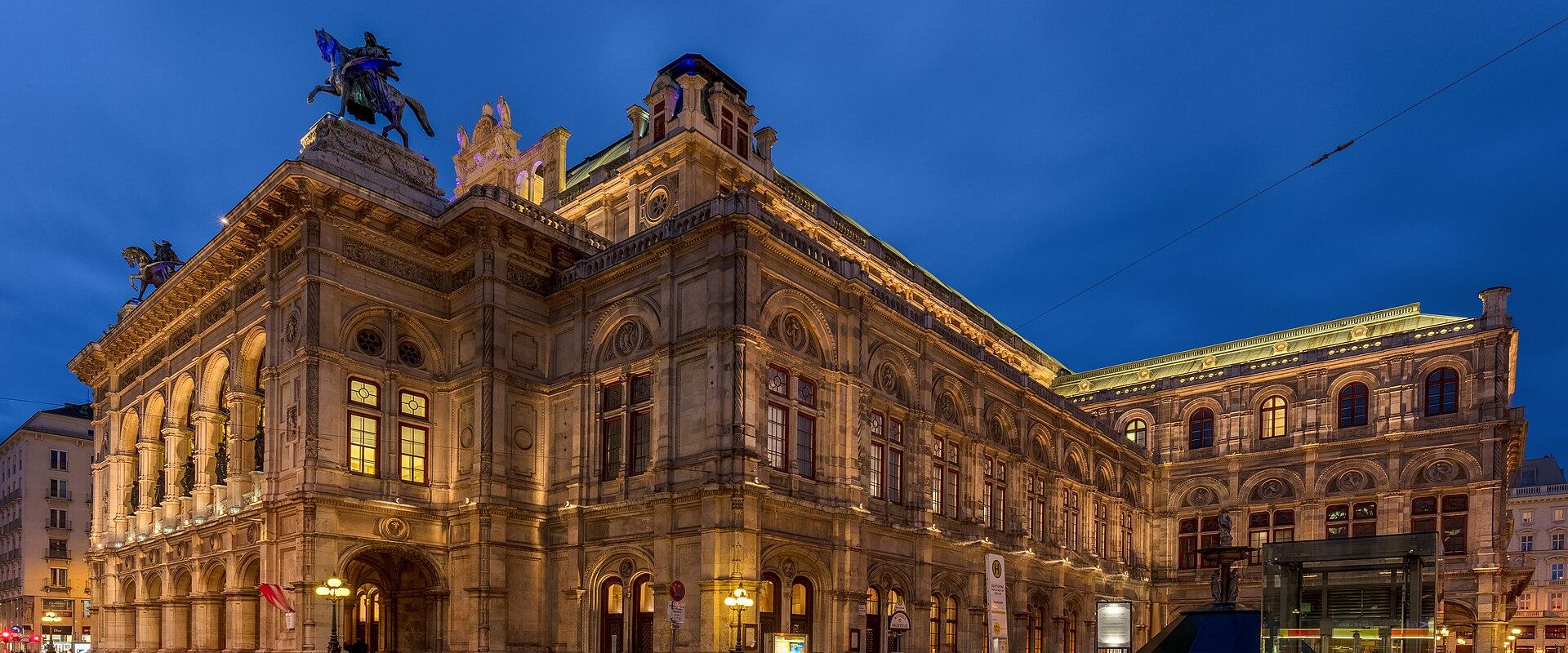
- Where
- Vienna, Vienna
- Directions
- Directions
The Vienna State Opera (Wiener Staatsoper) faces the Ringstrasse at the corner of Opernring and Herbert-von-Karajan-Platz, a few steps from Karlsplatz and the Hotel Sacher. It was one of the first major buildings of the Ringstrasse project, designed in Neo-Renaissance style by August Sicard von Sicardsburg and Eduard van der Nüll and opened in May 1869 with a performance of Mozart's Don Giovanni. The two architects both died before the opening, and the building's early reception in Vienna was cool, a story told on the house tours.
In March 1945 bombs and fire destroyed the auditorium and stage, though the loggia, the grand staircase and the foyer survived. The house was rebuilt to the original outline with a modernised interior and reopened in November 1955 with Beethoven's Fidelio, an event that Austria treated as a symbol of the country's recovery after the war. Today it seats about 1,700 people and stages a repertory system, meaning a different opera or ballet almost every evening for most of the season, rather than long runs of a single production.
The orchestra in the pit is made up of musicians who also form the Vienna Philharmonic, which is a large part of why the sound here has such a reputation. Gustav Mahler was director from 1897 to 1907, and the list of later music directors includes Richard Strauss, Karl Böhm and Herbert von Karajan. The Vienna State Ballet is based here too, and every February the building is converted for the Opera Ball, when the stalls are floored over to the level of the stage.
You can see the interior in two ways. Guided tours run on selected days and take in the foyer, the Schwind Foyer with its paintings by Moritz von Schwind, the Tea Salon, the auditorium and sometimes the backstage areas. Or you can go to a performance. Seats are not cheap, but the house sells a limited number of standing places at a low price shortly before curtain, and queueing for them is a Viennese tradition. Many performances are also relayed on a big screen on the Herbert-von-Karajan-Platz, which is free to watch.
The opera house works well as a first stop on a walk along the Ring. Within a short distance are the Naschmarkt, the Hofburg Palace and the Kunsthistorisches Museum, so an evening at the opera fits easily into a day of sightseeing. Dress is usually smart, though not formal except on gala nights. Plan ahead for the busiest weeks, because popular titles and star casts sell out well before the date.
Categories
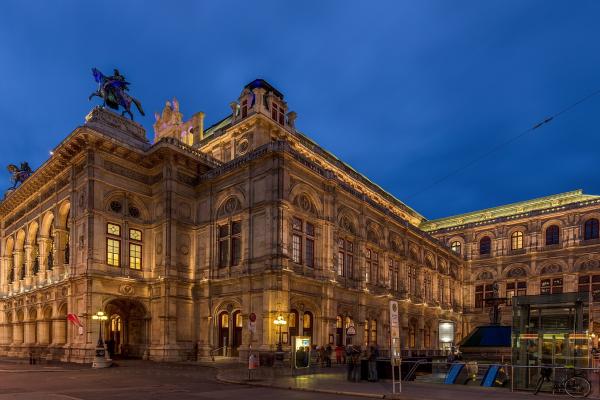
More photos coming soon
Nearby Attractions
Other places to visit in Vienna
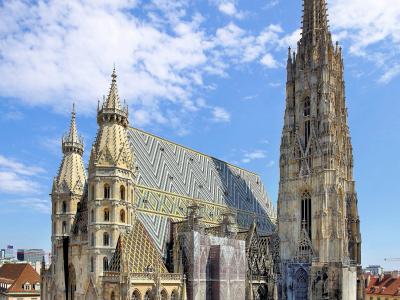
St. Stephen's Cathedral (Stephansdom)
Gothic cathedral with iconic tiled roof
Architectural Highlights · Local History
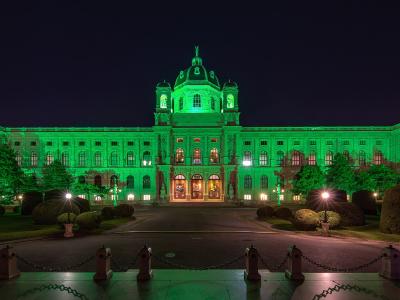
Kunsthistorisches Museum
Habsburg art collections spanning five millennia
From €22 History & Heritage · Museums & Art
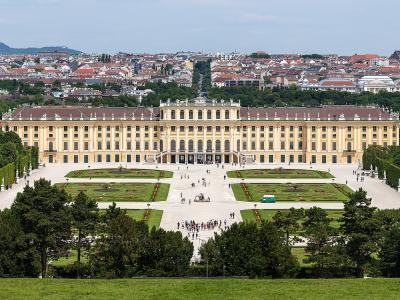
Schönbrunn Palace
Former imperial summer residence with extensive gardens
Architectural Highlights · Historic Palaces
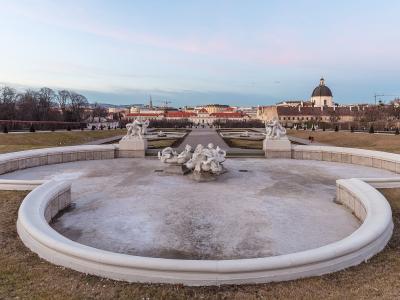
Belvedere Palace
Baroque palaces housing Klimt's The Kiss
From €17 Architectural Highlights · Historic Palaces
Questions people ask
Quick Facts
Best Time to Visit
Austria enjoys a Mediterranean climate with warm summers and mild winters, making it ideal for visiting year-round.