- Where
- Kitzbühel, Tyrol
- Directions
- Directions
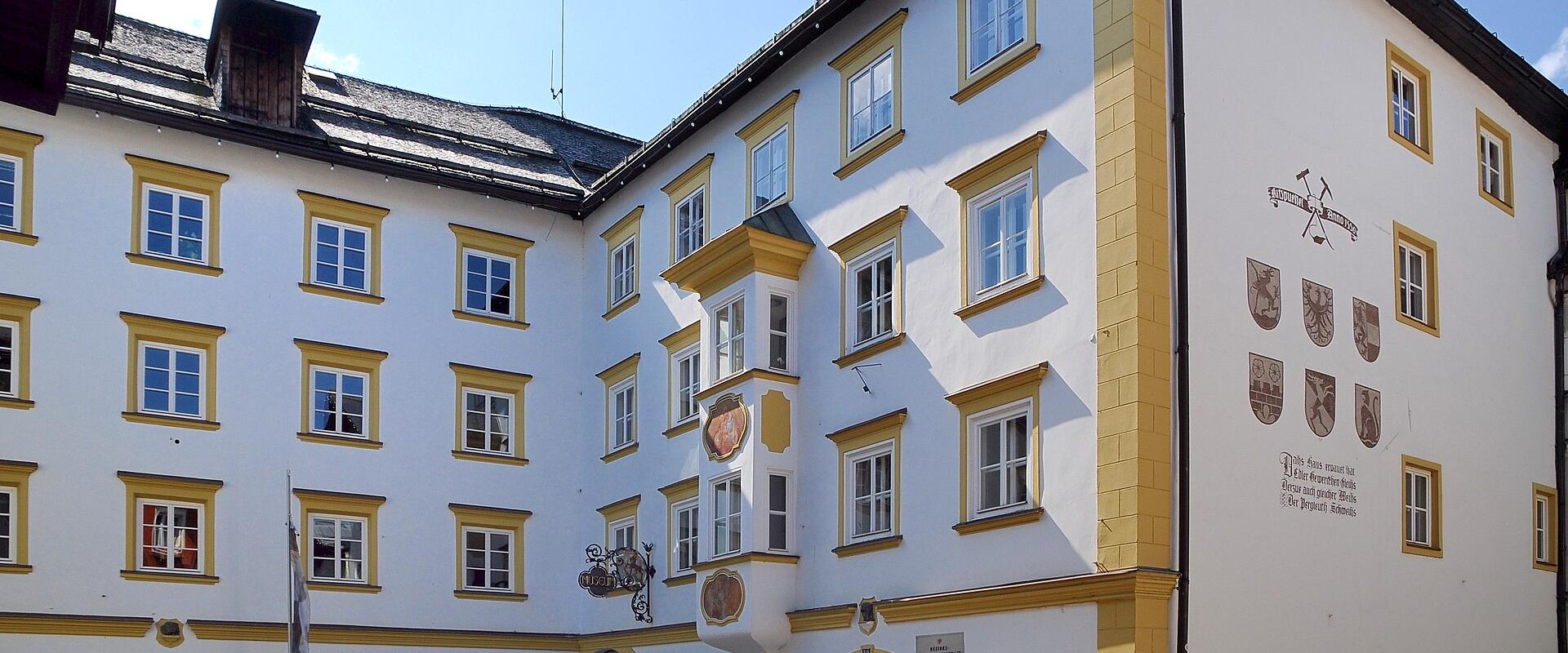
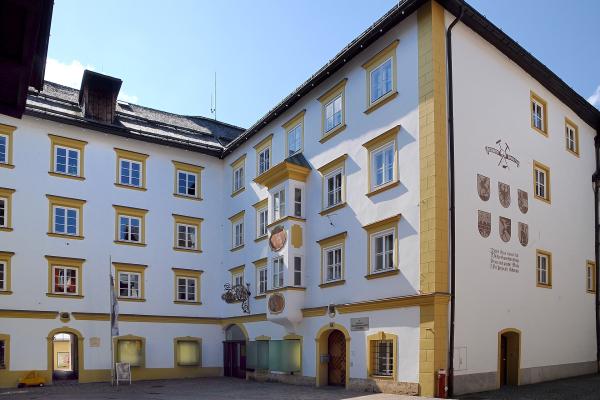
Museum Kitzbühel is the town's local history museum, set in a historic building in the old town, and it gives context to a place that most visitors know only as a ski resort. The house dates from the sixteenth century and was once used for storage, and its thick walls and low rooms provide a fitting setting for the collections. It stands in the pedestrian lanes of the old town, a short walk from the main squares, and it is the best place to learn how Kitzbühel grew from a mining town to a world-famous resort.
The story begins with mining. In the late Middle Ages and the early modern period, copper and silver were extracted in the mountains around the town, and the wealth that flowed from the mines paid for the tall, gabled houses of the old centre. The museum shows tools, models and documents from this era, along with objects of everyday life that show how burghers and farming families lived. Kitzbühel received its town charter in the thirteenth century, and the museum traces how it developed as a trading and administrative centre in the Tyrolean lowlands.
Art is another strand. Between the seventeenth and eighteenth centuries, the town was home to a lively artistic community, including the Faistenberger family of sculptors and painters, whose work can be seen in churches and houses in the town. The museum also holds a notable collection of works by Alfons Walde, the painter and architect born in the region, whose bright, sunlit winter landscapes and scenes of mountain life have become closely associated with the image of Kitzbühel. His pictures of skiers and snowy villages are among the best known Alpine paintings of the twentieth century, and seeing them in the town that inspired them is a pleasure.
Skiing has a place in the exhibits too. The first pair of skis was brought to Kitzbühel in the 1890s by the local pioneer Franz Reisch, and the museum tells how the sport grew, from enthusiasts on wooden skis to the international racing that now fills the town each January. Old skis, photographs and posters illustrate the change.
The museum is small enough to see in an hour, and it is a good rainy-day option. Opening hours vary by season, so check before going. It combines easily with a walk through the old town and the Rathausplatz, and it suits history lovers, art fans and anyone who wants to understand the town beyond the slopes.
Categories
More photos coming soon
Nearby Attractions
Other places to visit in Kitzbühel
Hahnenkamm Race Course
Steep alpine ski slope in the Austrian Alps
Mountain Hiking · Ski Resorts
Kitzbühel Arena
Alpine ski resort in the Austrian Alps
Mountain Hiking · Ski Resorts
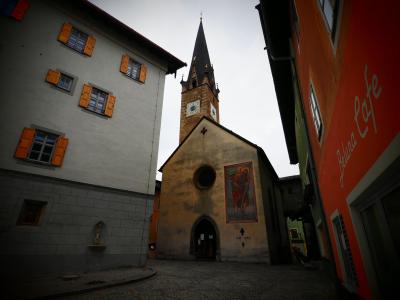
Old Town (Altstadt)
Medieval Alpine town centered on the Vorder and Hinter di...
Free Historic Districts · Old Towns
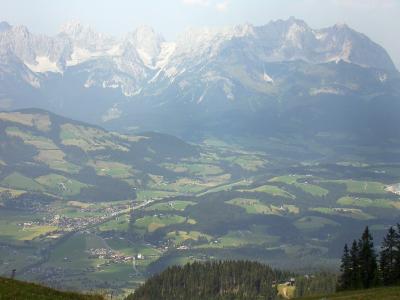
Hahnenkamm Mountain
Kitzbühel Alps 1,712m summit
Mountain Hiking · Ski Resorts
Questions people ask
Quick Facts
Best Time to Visit
Austria enjoys a Mediterranean climate with warm summers and mild winters, making it ideal for visiting year-round.