Understanding Austrian Camping Regulations
Wild camping is generally prohibited in Austria. Authorities enforce this rule strictly across most regions. Violators face significant fines for unauthorized overnight stays. Designated campsites, known locally as Campingplatz, are the primary legal option. These sites offer regulated facilities and safety standards. Camper van overnight parking restrictions vary by municipality. Many towns ban overnight parking in public areas. Always check local signage for specific time limits. Some high-altitude zones allow wild camping with registration. These areas require prior permission from local authorities. Glamping sites operate under standard hospitality regulations. They provide luxury accommodations within legal frameworks. Travelers must respect environmental protection laws in alpine zones. Carrying a tent does not grant permission to camp anywhere. Always use official campsites to avoid legal issues. Research specific municipal rules before arriving in Austria. This ensures compliance with local camping ordinances.
Camping Infrastructure and Amenities
Austrian campsites maintain high cleanliness standards. Many hold Green Key eco-certifications. These labels verify sustainable operations. Standard amenities include heated showers. Laundry facilities are widely available. Electrical hookups support various camper sizes. Star ratings indicate service levels. Higher stars mean more facilities. Glamping options offer luxury stays. Yurts and bubble tents are popular. These sites integrate with outdoor activities. Direct trail access is common. Hikers can reach alpine huts easily. Tyrol and Salzburg offer many sites. Parking rules vary by region. Overnight parking requires designated spots. Vignettes apply to motorways. Campers must follow local tolls. Facilities support both tents and RVs. Cleanliness remains a priority. Eco-friendly practices are standard. Star ratings help travelers choose. Glamping provides comfort without roughing it. Trail access enhances the experience. Austria’s infrastructure supports diverse camping styles. Regulations ensure site safety. Green Key certification signals quality. Heated showers are standard in winter. Laundry services add convenience. Electrical connections power devices. Star ratings guide expectations. Trail access connects to hikes. Alpine huts are nearby. Tyrol offers diverse options. Salzburg has many sites. Parking rules are strict. Vignettes cover motorway use. Campers must plan tolls. Facilities cater to all needs. Cleanliness is non-negotiable. Sustainability is key. Star ratings reflect quality. Glamping offers unique stays. Trail access is vital. Austria’s camping scene is robust. Regulations protect the environment. Green Key ensures standards. Heated showers are common. Laundry is convenient. Electrical hookups are standard. Star ratings help. Trail access is key. Alpine huts are close. Tyrol is popular. Salzburg is great. Parking rules matter. Vignettes are needed. Toll planning is essential. Facilities are good. Cleanliness is high. Sustainability is important. Star ratings guide. Glamping is fun. Trails are accessible. Austria is ready.
Glamping Experiences in the Alps
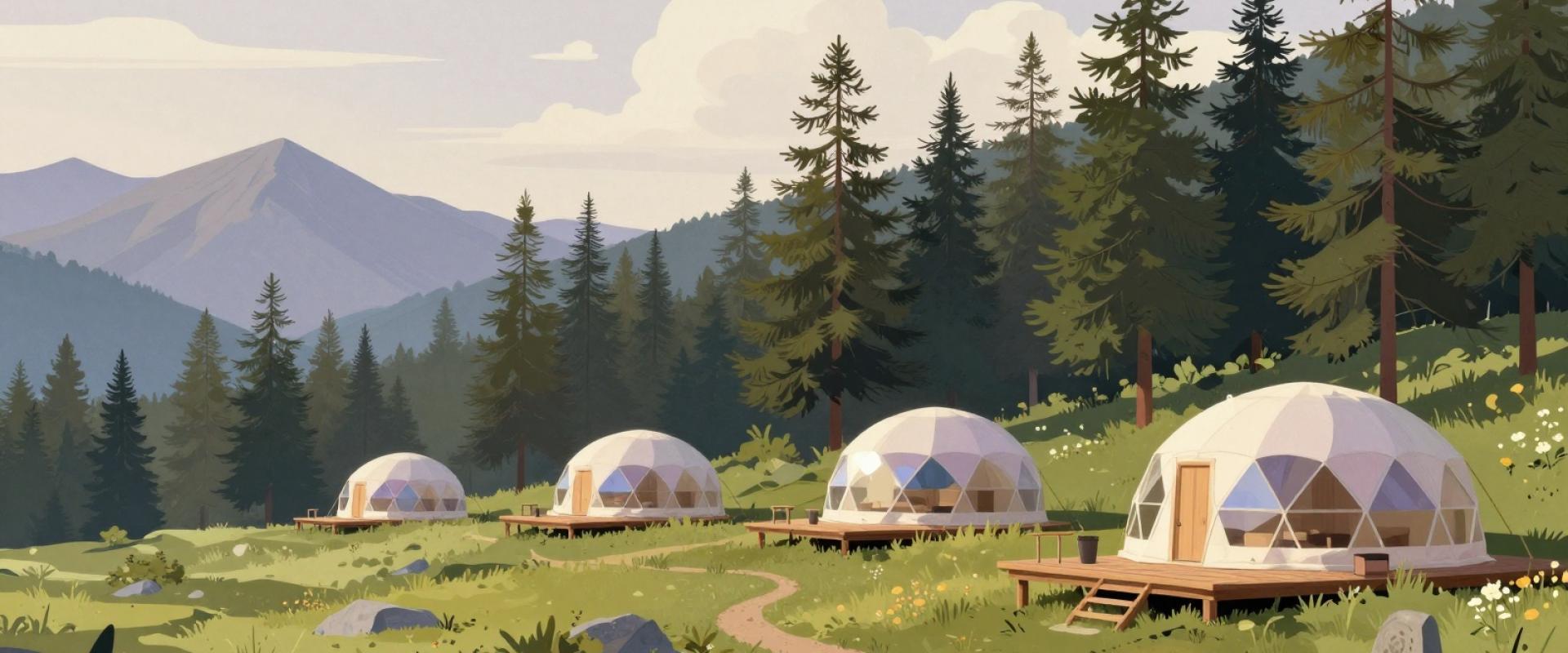
Austrian glamping sites offer luxury accommodations in alpine regions. Popular locations include Tyrol, Salzburg, and Carinthia. Structures often feature yurts, safari tents, and glass igloos. These units provide furnished interiors with central heating. Private facilities ensure comfort during cold mountain nights. The sector caters to travelers seeking upscale outdoor stays. Prices reflect the premium nature of these accommodations. Guests should expect higher costs compared to standard camping. Advance reservations are essential due to high demand. Availability fills quickly during peak summer and winter seasons. Sites typically operate from late spring to early autumn. Some locations remain open year-round for winter sports access. Amenities often include Wi-Fi and modern bathroom blocks. The experience blends nature with hotel-level comfort. Travelers can enjoy Alpine views without sacrificing luxury. This option suits those who dislike traditional tent camping. The experience remains popular among international visitors. Booking early ensures access to prime locations. The region offers a unique blend of adventure and comfort. This approach appeals to travelers seeking convenience in the Alps.
Seasonal Availability and Booking
Peak camping seasons in Austria are summer and winter. Summer runs from June through August. Winter spans December to March. Advance reservations are critical for popular alpine locations. Online booking is the standard method for securing sites. Walk-in availability is rare and risky during high season. Campers must verify operating dates for winter stays. Heated facilities are essential for comfort in cold months. Check specific site rules before booking. Some locations close entirely during off-peak periods. Tyrol and Salzburg sites fill quickly in July. Carinthia offers extensive summer capacity. Winter glamping often features glass igloos. These structures require strict advance planning. Verify heating availability before arrival. Austrian regulations enforce strict site usage. Unauthorized wild camping is prohibited. Use designated campsites to avoid fines. Plan trips well ahead of travel dates. Online platforms provide real-time availability. Confirm amenities like laundry and showers. Winter sites may have limited services. Ensure facilities match your needs. Book early for holiday periods. Austrian campsites maintain high standards. Eco-certifications indicate sustainable operations. Green Key labels verify these practices. Research specific site policies online. Avoid last-minute planning for popular destinations. Secure bookings early to guarantee accommodation. Check closure dates for winter months. Plan accordingly for optimal experience.
Costs and Budgeting Strategies
Standard camping pitches in Austria cost €15 to €30+ per night. This rate typically covers one adult and a tent. Additional fees apply for extra guests or vehicles. Glamping options start at €100 per night. Luxury tented camps can exceed €300 nightly. These rates often include utilities and basic amenities. Budget travelers should consider long-stay discounts. Many sites offer reduced rates for weekly stays. Booking in advance is crucial for peak seasons. Summer and winter holidays see high demand. Club members may access exclusive discounts at partner sites. Always check for additional electricity charges. Pet fees vary by location and site policy. Some alpine regions charge higher seasonal rates. Plan your budget around these variable costs. Early booking secures better prices at popular spots. Verify if city taxes are included in the quote. Austrian campsites often provide clear, itemized pricing structures. Compare standard pitches against glamping for value. Glamping offers comfort but at a premium price. Standard camping remains the most budget-friendly option. Always confirm total costs before finalizing reservations.
Safety and Environmental Responsibility
Austrian alpine weather shifts rapidly. Campers must prepare for sudden storms. Temperatures drop quickly at altitude. Check daily forecasts before hiking. Strict fire safety regulations apply nationwide. Open fires are generally prohibited. Use only designated fire pits. Bring your own firewood. Do not collect local wood. Rigorous waste disposal rules exist. Separate recycling bins are mandatory. Dispose of trash in provided containers. Leave no trace on trails. Stay on marked paths only. Protect fragile alpine vegetation. Glamping sites follow strict eco-standards. Many hold Green Key certifications. These verify sustainable waste management. Water conservation is prioritized. Solar power often supplements energy. Respect quiet hours in campsites. Noise disturbances face fines. Follow all local signage. Authorities enforce rules strictly. Violations result in immediate expulsion. Safety briefings are common. Review emergency exit maps. Carry first aid supplies. Alpine rescue services are efficient. Report hazards to site staff. Environmental responsibility ensures preservation. Protect Austria’s natural beauty for future visitors.